


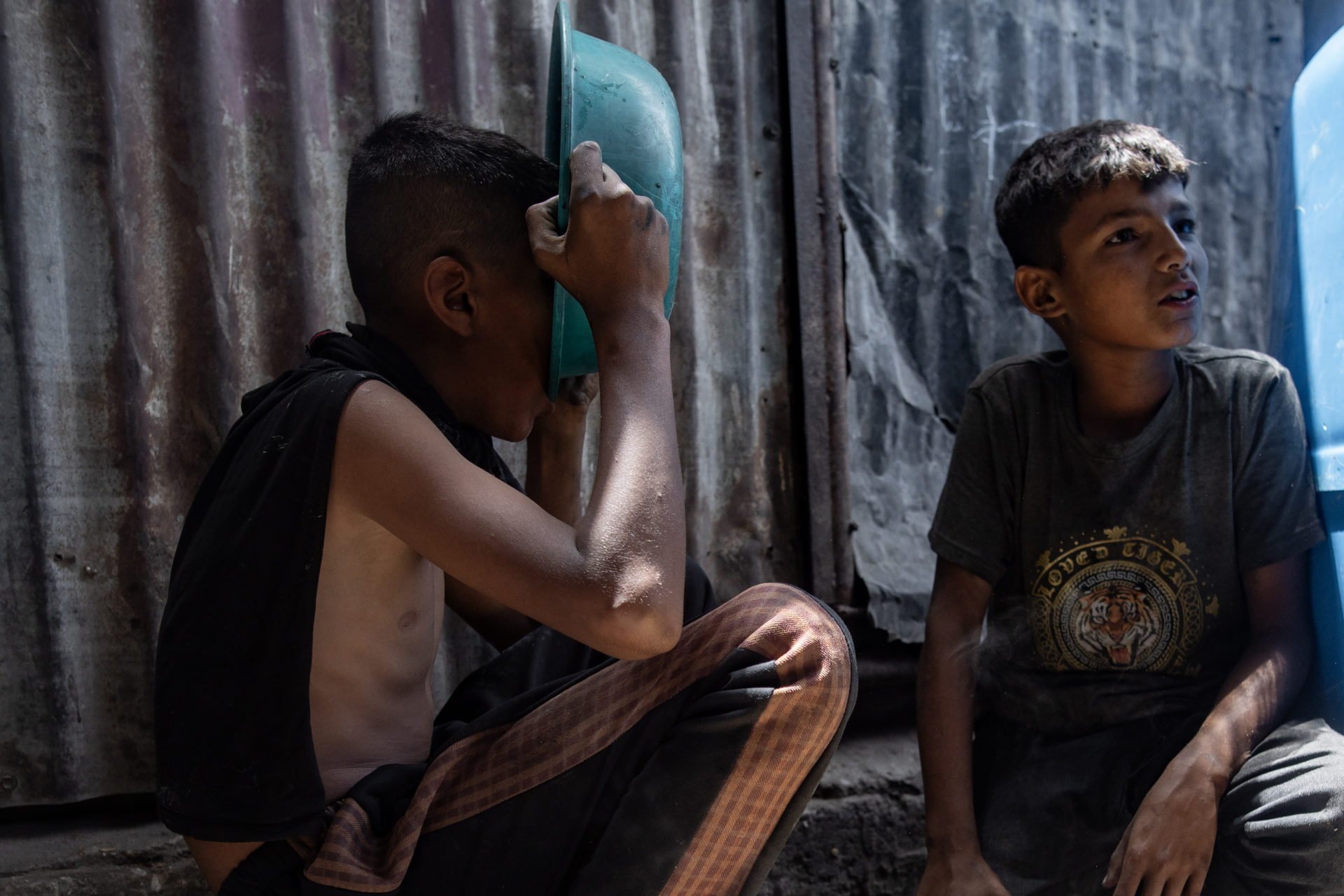
United Nations humanitarian chief Tom Fletcher described the five aid trucks that entered Gaza yesterday as a “drop in the ocean” amid warnings that 14,000 babies could die within 48 hours without immediate assistance.
Speaking to BBC Radio 4’s Today programme, Fletcher said the trucks containing baby food and nutrition have technically crossed into Gaza but remain at the border, not yet reaching civilians in need.
“I want to save as many as these 14,000 babies as we can in the next 48 hours,” Fletcher told the BBC.
The limited aid flow follows Israeli Prime Minister Benjamin Netanyahu’s Sunday announcement that he would ease the 11-week aid blockade to prevent a “starvation crisis” in Gaza, following international pressure over famine concerns.
When questioned about the figure of babies at risk, Fletcher cited UN assessment capabilities despite casualties among staff: “We have strong teams on the ground – and of course many of them have been killed… we still have lots of people on the ground – they’re at the medical centres, they’re at the schools…trying to assess needs.”
The current level of aid remains significantly below what humanitarian agencies consider necessary for Gaza’s population.
Gaza’s 2.1 million Palestinians face “critical risk” of famine and “extreme levels of food insecurity” as Israel’s aid blockade continues, according to a UN-backed assessment.
The Integrated Food Security Phase Classification (IPC) report identified a “major deterioration” in conditions since October 2024, though it concluded famine is not currently occurring.
Around 244,000 people are experiencing “catastrophic” levels of food insecurity, with the report stating half a million people – one in five – face starvation in Gaza.
The assessment found 93% of Gaza’s population (1.95 million people) are living through high levels of acute food insecurity.
Read more:

