


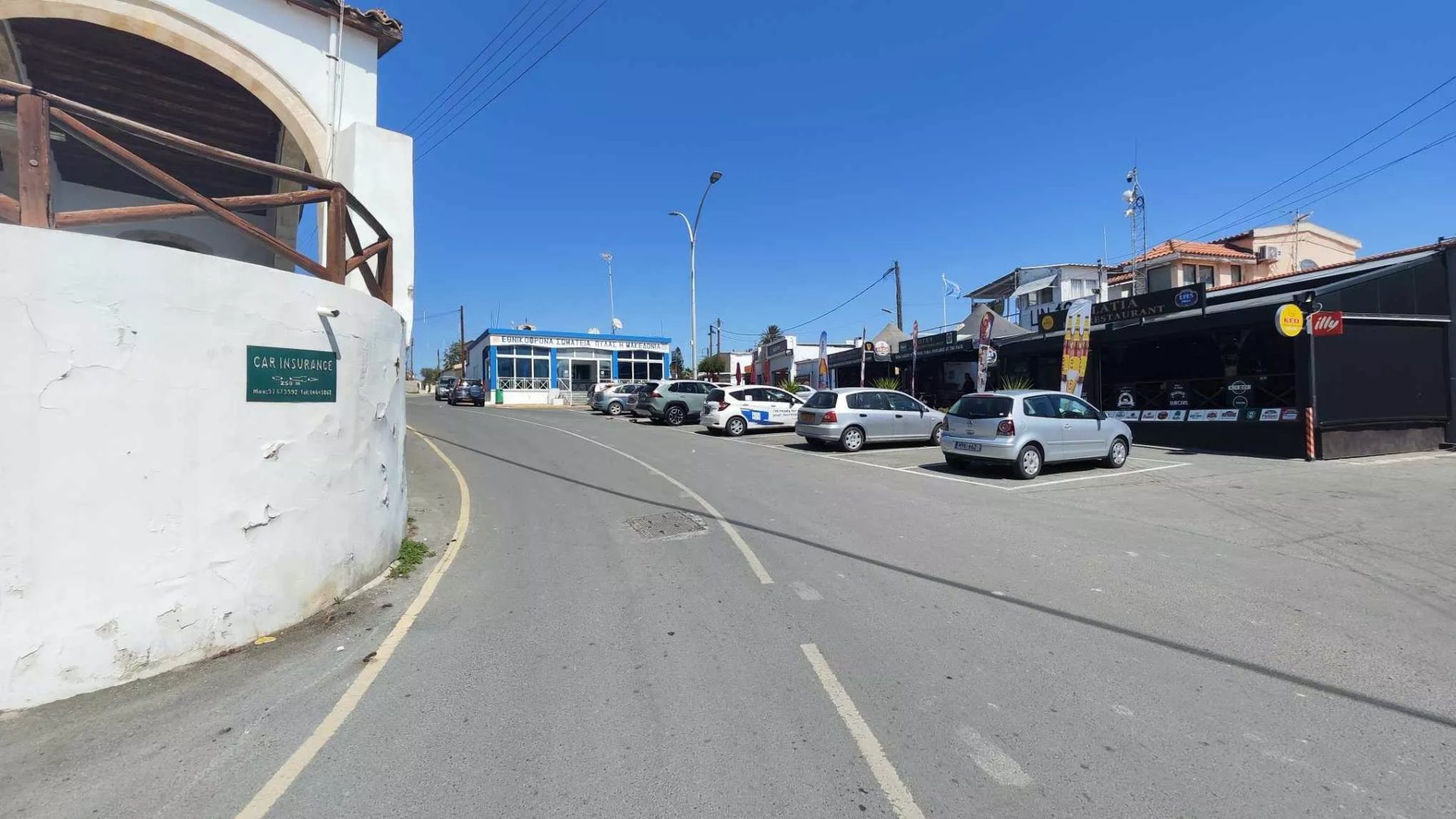
The unique status of Pyla, Cyprus’s only mixed community where Greek and Turkish Cypriots coexist, faces significant challenges not from intercommunal tensions but from organised crime that has established itself in the village centre, according to local officials.
The community, nominally under Republic of Cyprus law with United Nations oversight, has become what local Greek Cypriot community leader Simos Mytidis describes as a “Las Vegas” of unregulated casinos and criminal enterprises.
“Due to Pyla’s special status, the United Nations cannot enforce the law effectively. Unfortunately, we’re seeing an increase in casinos, bars allegedly involved in human trafficking, and drug distribution,” Mytidis told philenews.
“There are now 11 casinos, two bars, and two other establishments with suspicious activities”.
According to Mytidis, these establishments began appearing approximately 15 years ago in Turkish Cypriot properties and operate without paying electricity bills or other fees. Attempts to impose waste management taxes have been unsuccessful, with costs ultimately borne by other taxpayers.
The only significant intervention occurred in 2016 when authorities closed several illegal establishments during a major operation. However, Mytidis notes that not only did these eventually reopen, but their numbers increased from eight to eleven.
“It must be understood how difficult it is to maintain balances in Pyla,” Mytidis explained. “We cannot claim Pyla is an example of peaceful coexistence between the two communities while simultaneously failing to take measures to protect this unique situation”.
The community leader emphasised that despite these challenges, intercommunal relations remain positive: “Pyla demonstrates that Greek Cypriots and Turkish Cypriots can live together harmoniously. However, it cannot be considered a model for resolving the Cyprus problem because of the double standards that exist here”.
He cited examples of these disparities, noting that neighbouring Turkish Cypriot properties rented to Greek Cypriots or others often operate without paying water, electricity, or waste management fees, creating unfair competition for compliant businesses.
Pyla’s unusual administrative status extends to local governance reforms. Initially excluded from Cyprus’s local government restructuring programme, Pyla was recently incorporated through special provisions as the only “cluster” with just one member.
“Fortunately, after meeting with the Interior Minister, the issue was clarified and Pyla was included in the list of clusters through special arrangements,” Mytidis said. “We will be operating independently but functioning as a medium-sized cluster”.
Despite these administrative and security challenges, development in Pyla continues at a rapid pace, with the population approaching 10,000 residents.
The coastal area hosts five hotels and numerous tourist accommodations, with plans for at least two more major developments. The community has become increasingly attractive to both foreign and Cypriot residents.
“Without sounding localist, it’s the best area in Larnaca, since from anywhere you stand, you can see the sea due to its amphitheatrical character,” Mytidis noted.
“It’s particularly attractive for foreigners. Pyla lagged behind after the invasion but has recovered since Cyprus joined the EU. We currently have developments worth millions underway and many more permits pending”.
Important infrastructure projects are also proceeding, including the redevelopment of the village core and the creation of a coastal pedestrian walkway, which are expected to enhance the community’s appeal further.

