


As if electricity matters weren’t complicated enough for non-experts to grasp, technocrats are making things even more confusing.
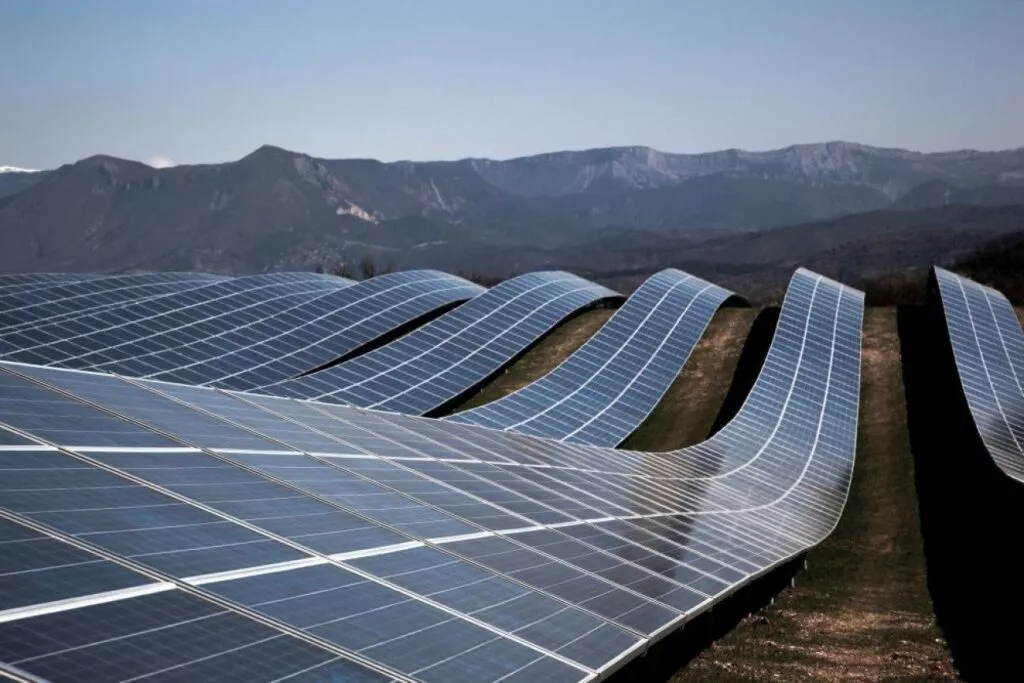
Yesterday in Parliament, the Chairman of the EAC Board of Directors, George Petrou, claimed that reducing electricity prices can only be achieved through renewable energy installations, specifically solar panels.
While this may have been just a snippet from Mr Petrou’s broader statement, it’s what made the headlines and circulated online. If solar panels are indeed the only way to reduce electricity prices, authorities need to explain why prices haven’t dropped in recent years despite the dramatic increase in installed solar capacity. The general public had access to cheaper electricity before the proliferation of solar parks than we do today. Is this merely coincidence? What’s to blame? Is it just the additional cost of emissions?
We were told that emissions costs would plummet if we embraced solar power. We did exactly that, yet the burden of emissions still exceeds €200 million annually. Just when we gained some optimism in 2024, seeing emissions prices drop to €65-70 per tonne, they’ve climbed back above €80-85 in 2025.
Why do some experts keep insisting that installing even more solar panels is the solution, given current conditions, while prices, supply stability, and system balance are all deteriorating? How can we reconcile last week’s extensive discussions about increased solar energy curtailment due to high production and low demand with this week’s claims that only more solar panels will reduce prices? Which prices could possibly fall when we’re certain to face either increased energy curtailment or higher costs through storage expenses and losses?
Mr Petrou likely meant that prices for household consumers and small to medium-sized businesses could only be reduced somewhat by increasing the share of solar energy in EAC’s energy mix. This should have been communicated more clearly.
It needs to be understood that it’s not solar panels in general that might lower prices, but specifically affordable solar panels under strict regulation and specific conditions. Without genuine competition, solar energy cannot be cheap when it’s produced by private entities and reaches consumers through private intermediaries. If middlemen are overcharging us for bananas, as the Consumer Association recently demonstrated with evidence, why would they treat electricity differently, with all its complex parameters of production, supply, transmission, distribution, costs, and profit? Even Mario Draghi pointed this out – solar panels produce cheap energy but sell it expensively to the general public.
What we perhaps need is a different system for trading solar energy. The only organisation selling under strict independent oversight with a predetermined return rate (after investment operations) below 4.6% is the EAC. If we want to leverage the possibility of cheaper electricity through solar power, more solar-generated electricity needs to reach the EAC, whether through tenders or price caps. Even then, results aren’t expected to be dramatic, for various reasons related to the technology itself, its peculiarities, seasonal demand variations, and other factors.
It’s also peculiar how many technocrats – and even worse, politicians – advocate for more solar panels one day, then claim natural gas is our only salvation the next. Black and white thinking. What’s certain is that without natural gas, our current situation will persist, if not worsen. Few believe the competitive market will deliver significantly lower average prices. Household consumers have minimal hope of seeing substantial savings. For them, natural gas arrival offers some hope, if only to reduce emissions charges and improve the efficiency of EAC or PEC units.
But even then, should we expect miracles in 2025?

