


The electricity situation is starting to mirror what happened with our national health system (GHS). If you’re delayed at A&E in either a public or private hospital, GHS and HIO get the blame.
If people struggle to obtain medical supplies from state hospitals, it’s GHS and HIO’s fault. When public sector doctors go on strike and appointments at SHSO appointments are postponed, once again, GHS and HIO take the heat.
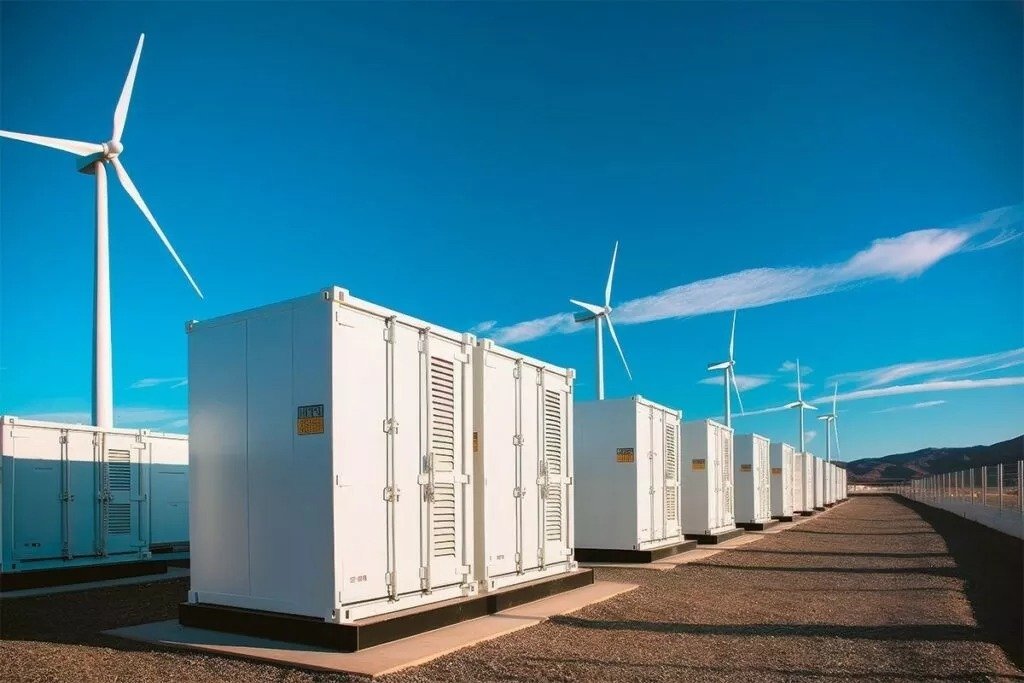
We’re seeing a similar pattern with electricity. Private energy producers haven’t installed storage systems despite knowing full well that more power cuts were coming, yet somehow it’s… the EAC’s fault for not planning ahead!
Why should the EAC care whether its competitors have storage or not? Why should it matter to them if I have a battery at home? What exactly are we asking for? Should the EAC install storage systems for private producers so they don’t lose their energy output and profits?!
The EAC is partly responsible for not pushing hard enough (or “making a proper fuss,” as we say) to submit and obtain permits for storage installation.
This applies to both its conventional power and its green energy (what little they were allowed to have), as well as private producers’ green energy (for resale), since the producers themselves didn’t install batteries despite CERA having licensed them en masse for years.
The EAC and—particularly—the independent Transmission System Operator (TSOC) are at fault for not fighting hard enough to secure and implement an earlier EU derogation through the Government for grid storage installation.
That is, outside the market. Only for system irregularities. Because that’s our primary concern: smooth, uninterrupted—and cheaper—system operation.
Even today, with so many risks looming over the electrical system, the state hasn’t given the green light for central storage systems for the grid, not the market. And it bears significant responsibility.
Recently, the Energy Minister announced that legislation is being prepared for storage installation at EAC substations. If we’re talking about the same thing, it’s a very positive move.
However, since complaints from residential solar panel owners about the EAC’s (!) or CERA’s or the government’s “negligence to install storage” are in the news, interested parties should know that nothing prevents them from installing batteries themselves.
They can do so after securing necessary permits (where required) and purchasing the equipment. This applies to commercial solar installations too. They have storage permits—let them implement them.
And if anything should be discussed in public dialogue, it’s whether the state should spend an initial €30 million (from EU funds) to subsidise commercial solar installations for battery storage, when these will serve their own needs and they’re guaranteed to recover their costs.
The same applies to residential solar panels. Not all households need state grants for storage.
But public discourse should also address the continuation of net metering as we know it. EU countries, including Greece, have abolished it in favour of net billing.
Someone needs to explain how the competitive market will work with 60-70 thousand (current) net metering solar installations generating power and feeding it into the grid when its stock market price is said to be (in overproduction conditions) minimal cents (if not zero), only to “simply” take it back (loan repayment) in the evenings when the price (due to conventional units or storage operation) will be many times higher per kilowatt-hour?
In short, instead of complaining so loudly about the admittedly unpleasant condition of brief and (still) infrequent interruptions to solar panel operation via ripple control or IoT, it would be more useful to consider the serious risk of eventually losing one of net metering’s most significant benefits: production offsetting (“one for you – one for me”), in favour of bill offsetting (you gave me electricity worth €100 – you took €800 worth from the grid, you owe me €700).
Read more:

