


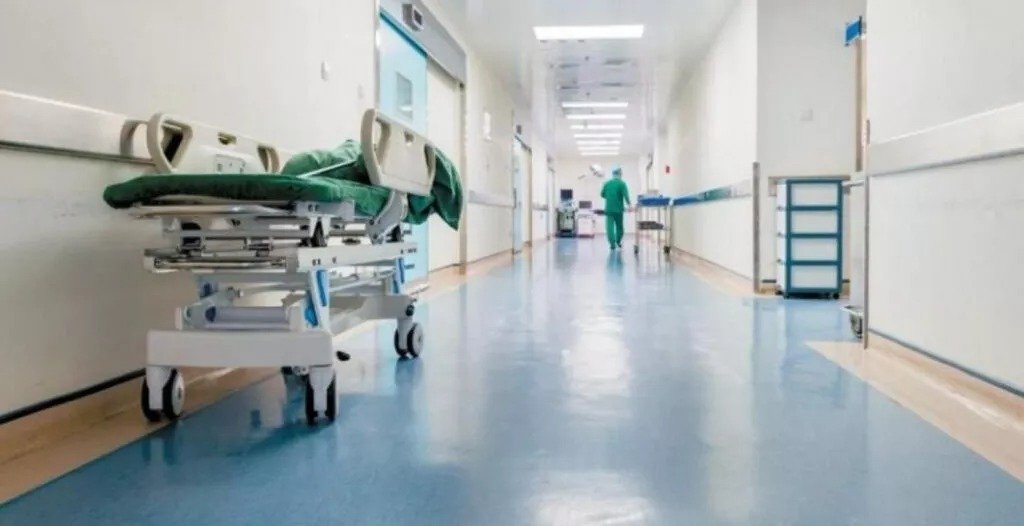
Cyprus’s healthcare system is under strain as public hospitals struggle with an influx of seasonal infection cases, forcing patients to be treated in wards beyond respiratory and pathology units due to overcrowding.
The State Health Services Organisation (SHSO) is continuously making special arrangements to secure additional beds, whilst the Ministry of Health has been activating its pre-Christmas agreement with the private sector to transfer patients from public to private facilities.
Accident and Emergency departments are facing mounting pressure from increased patient numbers, with Nicosia’s A&E department reportedly having patients with severe seasonal infection symptoms awaiting ward admission.
Health Ministry Permanent Secretary Christina Yiannaki told Phileleftheros that “dozens of patients have been transferred to private hospitals, primarily in Nicosia and Limassol, since 23 December, and our efforts continue unabated”. She specified that “54 patients have been transferred to private hospitals in Nicosia alone”.
“The ministry remains vigilant, and the mechanism we’ve put in place appears to be working very well thus far”, she added.
SHSO spokesman Charalambos Charilaou reported high occupancy rates in paediatric, pathology, and pulmonology departments, with patients being dispersed to other specialist wards due to lack of pathology beds.
He explained that infected patients must be isolated from those with other conditions, requiring careful bed management. “If we place an infected patient in a surgical ward’s double room, the second bed can only be used for another patient with the same infection”, he said.
Charilaou noted an increase in respiratory syncytial virus (RSV) cases, which, contrary to typical seasonal patterns, continues to show significant activity affecting mainly young children and the elderly. “The flu season has also begun, along with other seasonal infections, primarily pneumonia”, he said.
He added that the current surge was not unexpected, stating that cases typically increase significantly during January.
Read more:

