


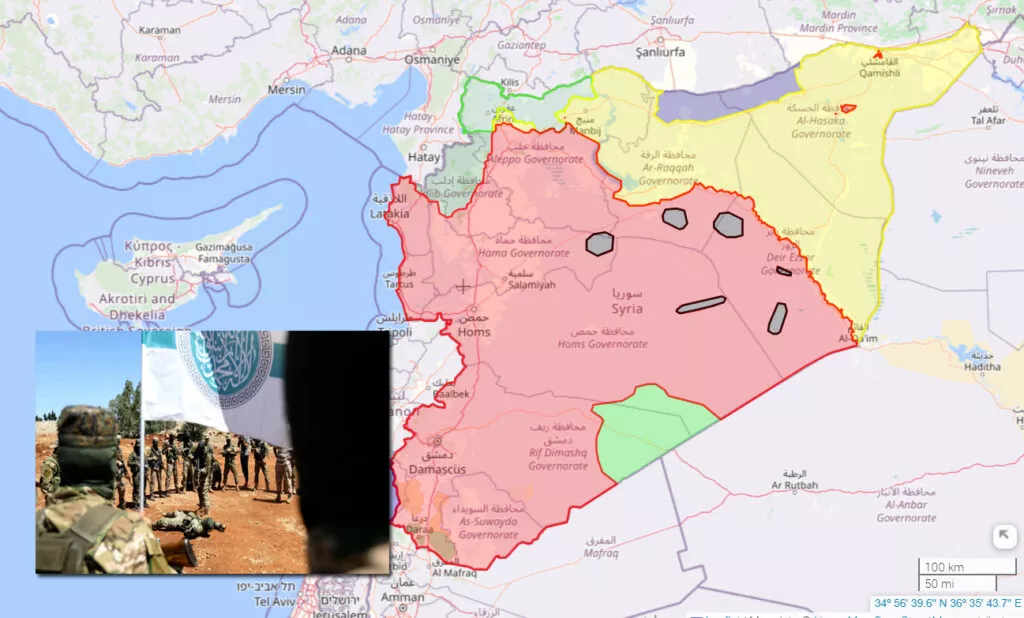
Cypriot authorities are grappling with a complex and potentially far-reaching investigation tied to the Middle East and terrorism, which has come to light this month. This inquiry, spearheaded by the Republic’s intelligence service and the Police Counter-Terrorism Office, is now under the purview of the Department for the Suppression of Crime, specifically its Criminal Investigation Division.
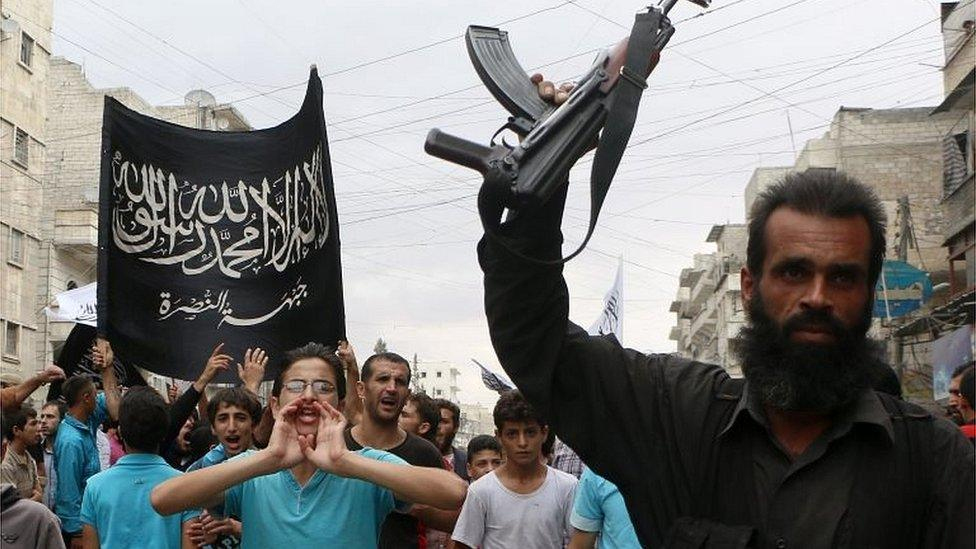
The investigation is particularly alarming, as it reveals connections between individuals of Arab descent residing in Cyprus and extremist Islamist organizations, notably Hay’at Tahrir al-Sham (HTS), previously known as al-Nusra Front. HTS has been involved in militant operations in Syria.
Additionally, a suspect is under scrutiny for alleged ties to the Islamic State (ISIS). This group has been associated with horrific imagery from the Syrian conflict, which erupted over a decade ago.
The investigation implicates not only HTS but also links to Turkey and Hezbollah. Reports suggest a network within Cyprus that is financing terrorist activities, extending even to narcotics trafficking.
Significant Arrests Made
In early October, police arrested eight Syrian nationals in Limassol and Paphos during a coordinated operation. While the arrests were reported, the specific allegations against the detainees were less publicized. Sources indicate that a 44-year-old among them plays a pivotal role as the financial overseer for HTS in Cyprus, maintaining connections in northwestern Syria, particularly in Idlib, where HTS holds considerable territory.
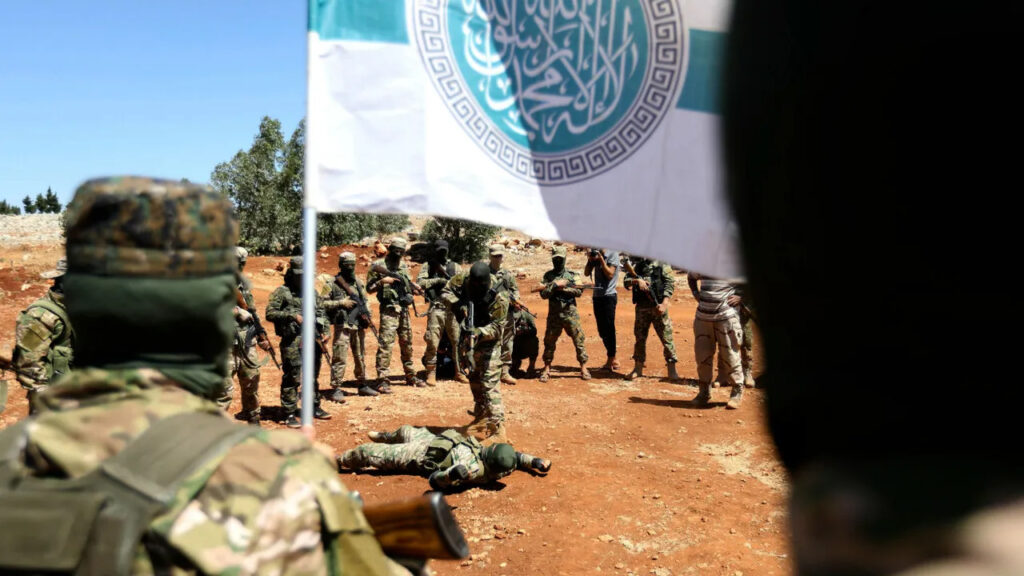
Cypriot law enforcement officials suggest that this suspect has also established networks in other Middle Eastern nations, reportedly transferring substantial sums—up to €50,000 weekly—via the hawala system, a common money transfer method in the region.
Intelligence indicates that the 44-year-old maintains links with Turkish nationals and frequently travels to Turkish-controlled areas in Cyprus to dispatch funds collected from Republic-controlled regions.
Links to Drug Trafficking and Hezbollah
Furthermore, this suspect reportedly has a network of accomplices throughout Cyprus who funnel money on his behalf and engage in illegal activities. Authorities believe he is involved in drug trafficking, with a close associate managing daily operations related to this illicit trade.
Recent developments also suggest that he has had contact with an individual connected to Hezbollah, who expressed fears for his safety after being pressured to return funds received from a Hezbollah member.
In another troubling aspect of the investigation, the 44-year-old reportedly had coded discussions with a peer—also arrested—about potential attacks in locations identified only by numbers, raising significant alarm among law enforcement agencies.
Connections to ISIS
A separate suspect, aged 38, with ties to the 44-year-old, is reportedly linked to ISIS and is believed to be part of a criminal organization engaged in arms trafficking, explosives, murders, and acts of vandalism across various Arab countries.
In addition to the 44-year-old, authorities have apprehended a total of eight individuals. The arrests occurred in early October, with the other seven suspects—including six men aged 29, 35, 38, 44, 49, and a 36-year-old woman—also believed to be interconnected.
Following the expiration of their detention orders, police have initiated actions for the detention and deportation of six of the suspects. Only the 45-year-old, who holds Cypriot citizenship, has been released.
Expert Insight on Cyprus’s Role
Kostas Pikramenos, an expert collaborating with the European Parliament on issues related to Turkey, intelligence services, and political Islam, commented on the situation, noting that Cyprus has become a “forward base for intelligence collection” and a battleground for regional power struggles between Middle Eastern forces, such as Iran and Israel.
He referred to the positions recently discussed during the presentation of his new book, “Cyprus – The Island of Spies” (published by “INFOGNOMON”).
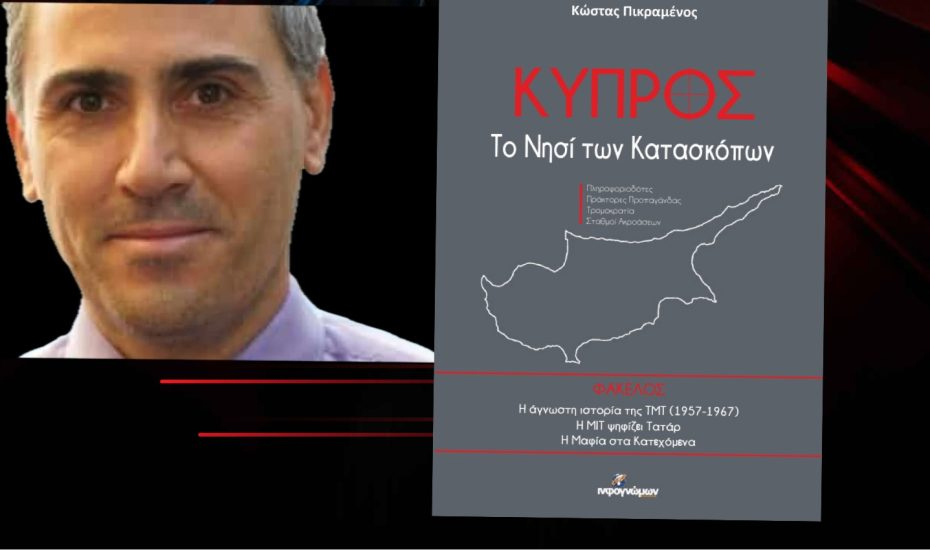
Cyprus’s geographical location makes it a focal point for both major powers and regional actors, according to Kostas Pikramenos. He highlighted that intelligence services view the island either as a base for signals intelligence (SIGINT) or as a theatre for conducting black operations. This remark came in the context of an ongoing terrorism case involving an Azerbaijani suspect, arrested in September 2021, who allegedly plotted to assassinate Israeli nationals residing in Cyprus.
In response to questions regarding whether the Republic of Cyprus possesses the necessary institutions, technical capabilities, human resources, and political will to manage such security challenges, Pikramenos acknowledged the complexities of the issue. He expressed hope that his newly released book, “Cyprus – The Island of Spies,” could initiate a constructive dialogue on the subject.
The book aims to shed light on aspects of Cyprus that are not widely covered by the media, particularly focusing on the activities of various countries’ intelligence services on Cypriot soil, not necessarily directed against the Republic itself.
Pikramenos noted, “The 50 years of invasion and occupation of Cyprus served as the impetus for the publication of this book.” He detailed the intelligence operations carried out by nations such as the UK, the USA, Russia, Czechoslovakia, Turkey, Israel, and Iran, from the late 1940s to the present day, emphasizing the unique contribution of his research, which utilizes open sources and archival materials. The book is said to be one of its kind in both Greek and Cypriot literature, offering insights into the covert actions that have shaped the island’s complex history.
Seven of the eight individuals arrested earlier this month have been issued detention and deportation orders by the Department of Migration under the newly established Deputy Ministry of Migration on October 16. However, their deportation to Syria, their country of origin, is complicated by the ongoing conflict, as the region is classified as a war zone by Western nations, including the European Union.
Since 2011, the EU has imposed sanctions on Syria, particularly targeting the regime of Bashar al-Assad, severing diplomatic ties while occasionally providing humanitarian support through controlled relaxations of these measures.
Upon the expiration of the detention orders, the police did not file charges against the suspects nor sought an extension of their detention, indicating that the Criminal Investigation Department (CID) is utilizing this period to further investigate the information surrounding these individuals.
As part of the ongoing investigation, the police have already secured personal items belonging to the detainees, including mobile devices, which will undergo forensic examinations and analysis.

