


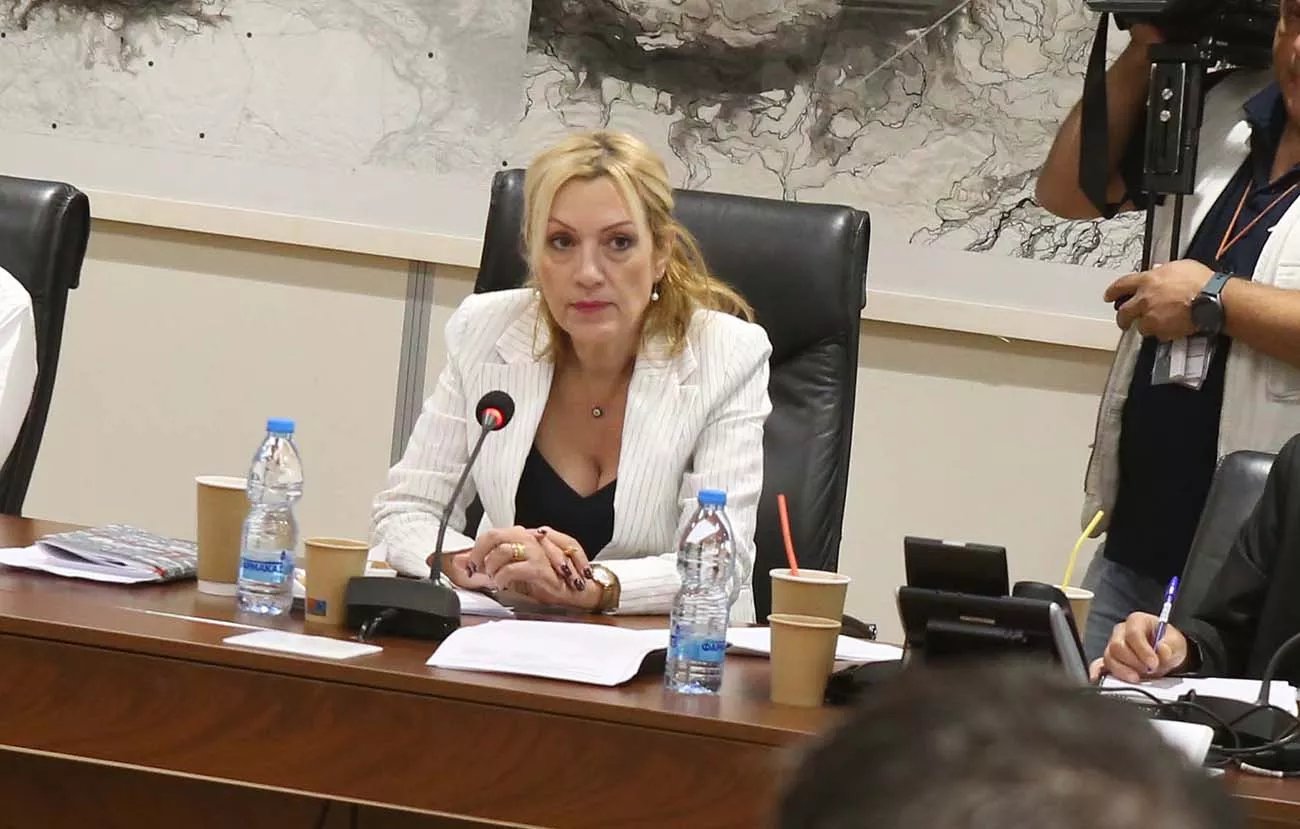
ALMA parliament member Irene Charalambides has accused parliament of breaking the law by publishing personal data about parliament members’ spouses and minor children on its website along with their asset declarations. She has demanded a full account of how it happened.
In a letter on Wednesday to the House President and the members of the conference of party leaders, Charalambides said parliament had posted parts of the declarations that the law explicitly bars from publication.
These included personal data about spouses and minor children, information concerning them, and reconciliation statements, all of which are submitted to the Tax Commissioner and thoroughly checked.
The material was then reproduced by all the media, she said, and remained online until late on the evening of Tuesday, October 20, despite a parliament announcement that the declarations had been withdrawn.
The law was passed by parliament itself with attention to detail, precisely to serve transparency without sacrificing the rights of third parties, she said. It sets out clearly what is published and what is protected, yet the institution that adopted those provisions had not followed them.
Nobody could claim an oversight or lack of time, as the deadlines and procedure were known and there had been ample time to prepare. When an institution has the time, the means and a clear legal framework and still breaches it, “the issue is not technical. It is a matter of accountability,” she said.
Parliament had been exposed, Charalambides said, and spouses and minor children, who had no obligation to have their details made public, had seen their personal data published.
Anyone could go to court or to the Commissioner for Personal Data Protection over serious breaches, a possibility that directly concerned parliament, she said. The matter could not be closed with a simple apology or a general statement accepting responsibility, she added, as responsibility without an investigation, named individuals and specific measures was not responsibility.
She asked the conference of party leaders to put the matter on the agenda of its next meeting as a separate item. She also asked for a written report from parliament’s services on exactly how the breach occurred: what procedure was followed, who approved the posting, what checks were carried out, how long the data remained publicly available and why it was still online late on October 20 despite the announcement.
Charalambides also asked that everyone affected be told in writing which of their details had been published, and that the Commissioner for Personal Data Protection be informed if this had not already happened, with the correspondence submitted to the conference. She called for measures to limit further spread of the data already reproduced to be taken and recorded, and for a written vetting protocol, with a clear division of responsibilities, to be introduced before anything is posted in future.
Recent actions in parliament had done nobody credit, she said, but this one went beyond every limit because it struck at the core of parliament’s credibility: the obligation to be the first to apply correctly the laws it passes.

