


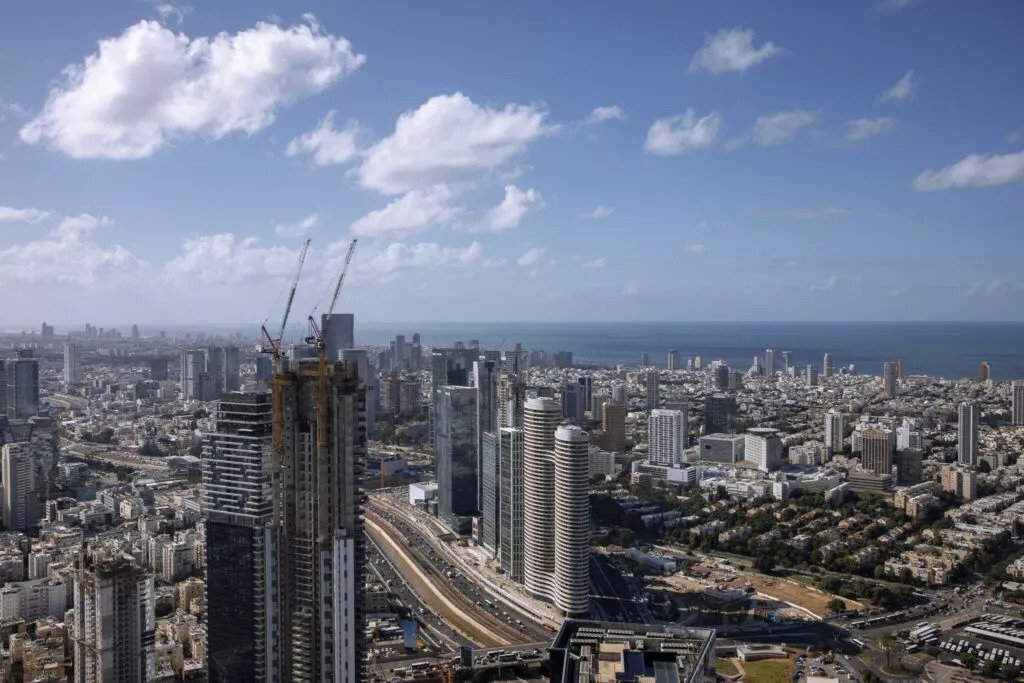
At 6:30 a.m., the sun barely peeks through the skyscrapers of Tel Aviv. The streets are quiet, save for early-morning joggers and commuters heading to work. Suddenly, the calm is shattered by a chilling sound—the city erupts into action as residents and visitors rush to the nearest shelters or safe spaces, following the standard emergency procedures issued by local authorities.
According to Israeli media, this marks the first time Hezbollah has launched a missile targeting Tel Aviv. The Jerusalem Post reports that Central Israel had been targeted before, on September 15, when a Houthi ballistic missile attack injured nine people as they ran for cover.
The Israel Defense Forces (IDF) confirmed that the missile launched today was a surface-to-surface projectile from Lebanon, aimed at central Israel. The attack was successfully intercepted by Israel’s David’s Sling air defence system.
Shortly after the incident, the IDF announced that no changes were being made to the current safety guidelines for residents. School and educational activities would proceed as planned in Central Israel. The Tel Aviv municipality also reassured the public, urging citizens to contact security authorities for any further updates.
Arab media, including Saudi Arabia’s Al-Hadath TV, reported that the missile’s target was the IDF intelligence base in Glilot, north of Tel Aviv.
Initial reports suggested delays at Ben Gurion International Airport following the missile alarms. However, the airport later confirmed that operations were continuing as scheduled, with both departures and arrivals proceeding as planned. Airlines such as Wizz Air and Greece’s Aegean Airlines cancelled flights until 11:00 a.m. in response to the incident.
Israel’s state broadcaster KAN also noted that several airlines, including Aegean and Wizz Air, had cancelled all flights to Israel until 11:00 a.m. due to the missile alarm.
Read more:

