


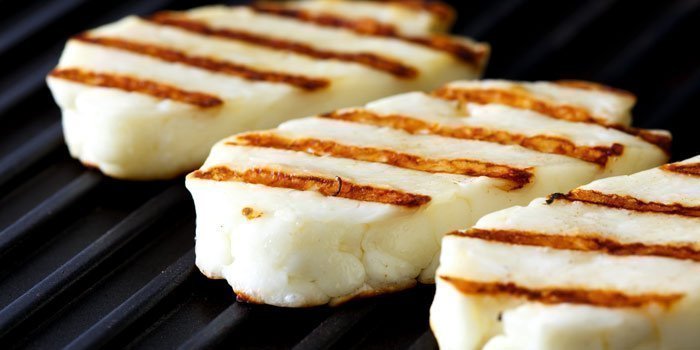
The Ministry of Agriculture has disclosed a disparity in the production of halloumi cheese. Official data shows that while the annual production target stands at 44,000 tons, approximately 7,000 tons of halloumi appear to be manufactured without the corresponding volume of goat and cow milk, raising suspicions of unreported milk usage or the incorporation of milk powder.
Based on the available milk quantities, only 38,000 tons of halloumi could be produced with the existing resources, leaving a surplus of almost 7,000 tons. This surplus sheds light on potential issues regarding the origin and authenticity of the milk used in halloumi production.
The controversy surrounding the use of milk powder in halloumi production has been ongoing, with the majority of Cypriot dairies reportedly employing this method. This matter was previously raised by the head of the association of cattle breeders during a parliamentary committee meeting in September. He alleged that 80% of cheesemakers were using milk powder in their halloumi products.
To address these concerns, the Cyprus University of Technology (Tepak) is developing a methodology for milk powder detection, aiming to verify the authenticity of halloumi products. Additionally, Tepak has undertaken the task of identifying the origin of milk by analysing its DNA, thereby determining whether it is sourced locally or internationally.
As these developments unfold, the Minister of Agriculture has called for an emergency meeting at the Institute of Agricultural Research. The meeting, scheduled for the following Monday, will address the latest halloumi developments, specifically in response to a recent decree issued on October 20, which established a minimum usage requirement of goat milk at 19%, up from the previous 10%, in halloumi production.
Notably, the issue of the percentage of goat milk in the halloumi blend was previously determined based on declarations made by cheesemakers, and the Ministry of Agriculture has deemed it necessary to return to the ratios employed from July 2014 to August 2022, specifically 20% for the period between September 2023 to January 2024.

