


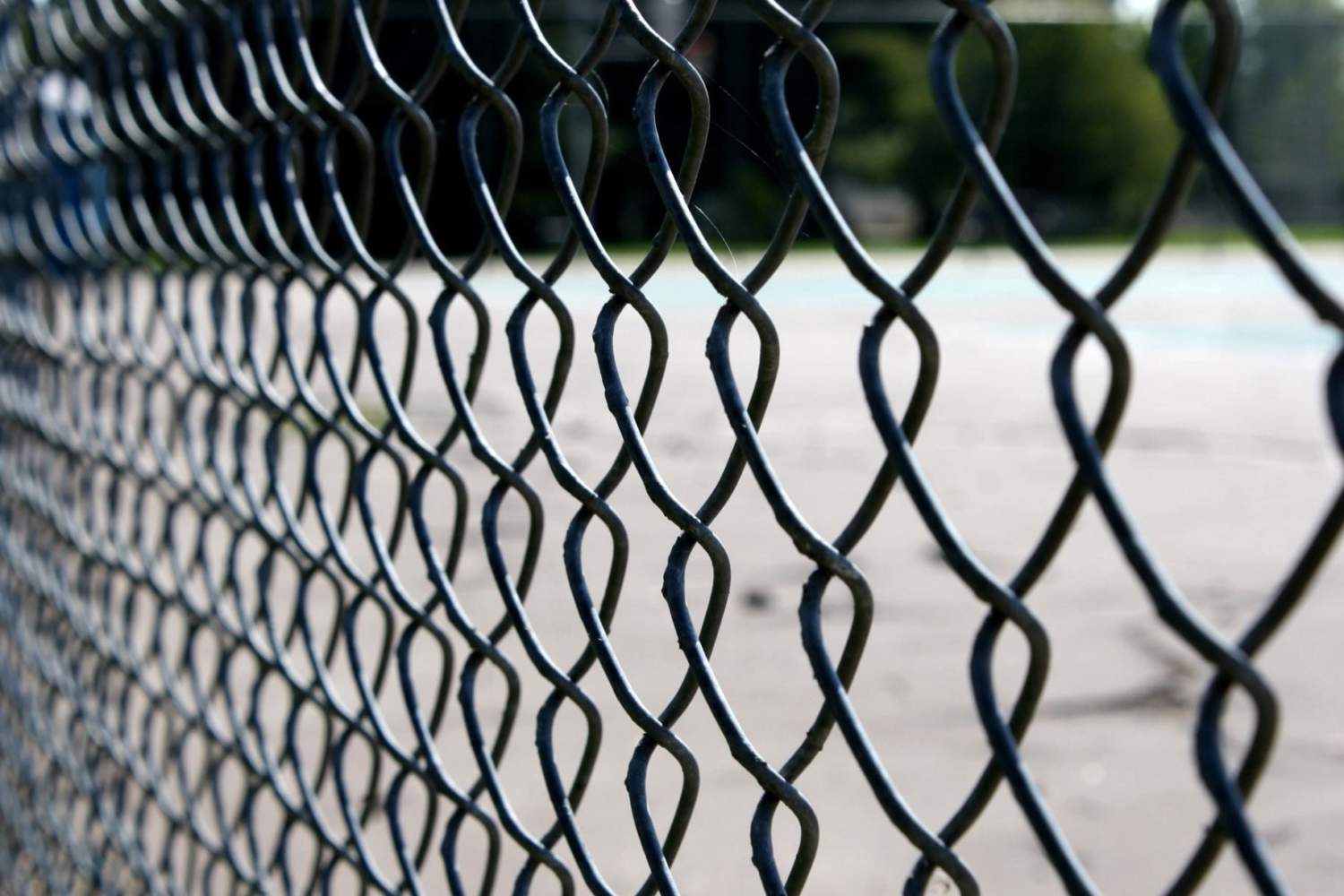
The fenced-in, tarmacked school playground was at the heart of a talk given last Saturday (5/9) by architect and PhD candidate Penelope Vaskez Hadjilyra, from the Department of Architecture at Frederick University, at the inaugural two-day conference of the newly formed Cyprus Association of Social Anthropologists (CASA), held at the Cyprus University of Technology in Limassol.
Dozens of speakers from Cyprus and abroad, academics and others, took part in the conference. And, of course, the start of the new school year, with pupils heading back to their desks yesterday after the summer break, made this a good moment to open up a conversation about school playgrounds across Limassol and the whole of the free areas (the government-controlled south): public spaces that sit locked up every single afternoon, as Vaskez put it.
What we’re left with, she added, is a kind of temporary wasteland: the school emptied out every afternoon and every holiday, especially over summer, at neighbourhood level. That’s a problem on two fronts. Technically, it feeds straight into the urban heat island effect. Socially, it deepens isolation within the neighbourhood itself.
She was clear that her talk, titled “Institutionalising Care: Can School Playgrounds ‘Cool’ the City and Strengthen Ties Between Citizens?”, forms part of an ongoing PhD research project. The project, focused chiefly on Limassol, looks at turning school playgrounds into “urban cool commons”: shared infrastructure for climate adaptation, social care and participatory governance, built for Mediterranean cities grappling with the twin crises of urban heat and social fragmentation.
As she put it, her research argues that the fenced-off, tarmacked school playground isn’t just a design failure. It’s a governance paradox. A public space is turned functionally private, through the very logic of control and protection meant to safeguard it, logic that ends up weakening the exact civic bonds it was supposed to protect.
Drawing on urban commons theory, the ethics of care, and frameworks of social innovation, Vaskez argues in her work that opening up school playgrounds, both physically and institutionally, amounts to an act of climate and social repair.
She closes with this: an institutional shift on the horizon, the transfer of school infrastructure management to municipalities in 2029, offers both an empirical opportunity and a theoretical challenge. Can care actually be institutionalised? Or does institutionalising it always end up hollowing it out?

