


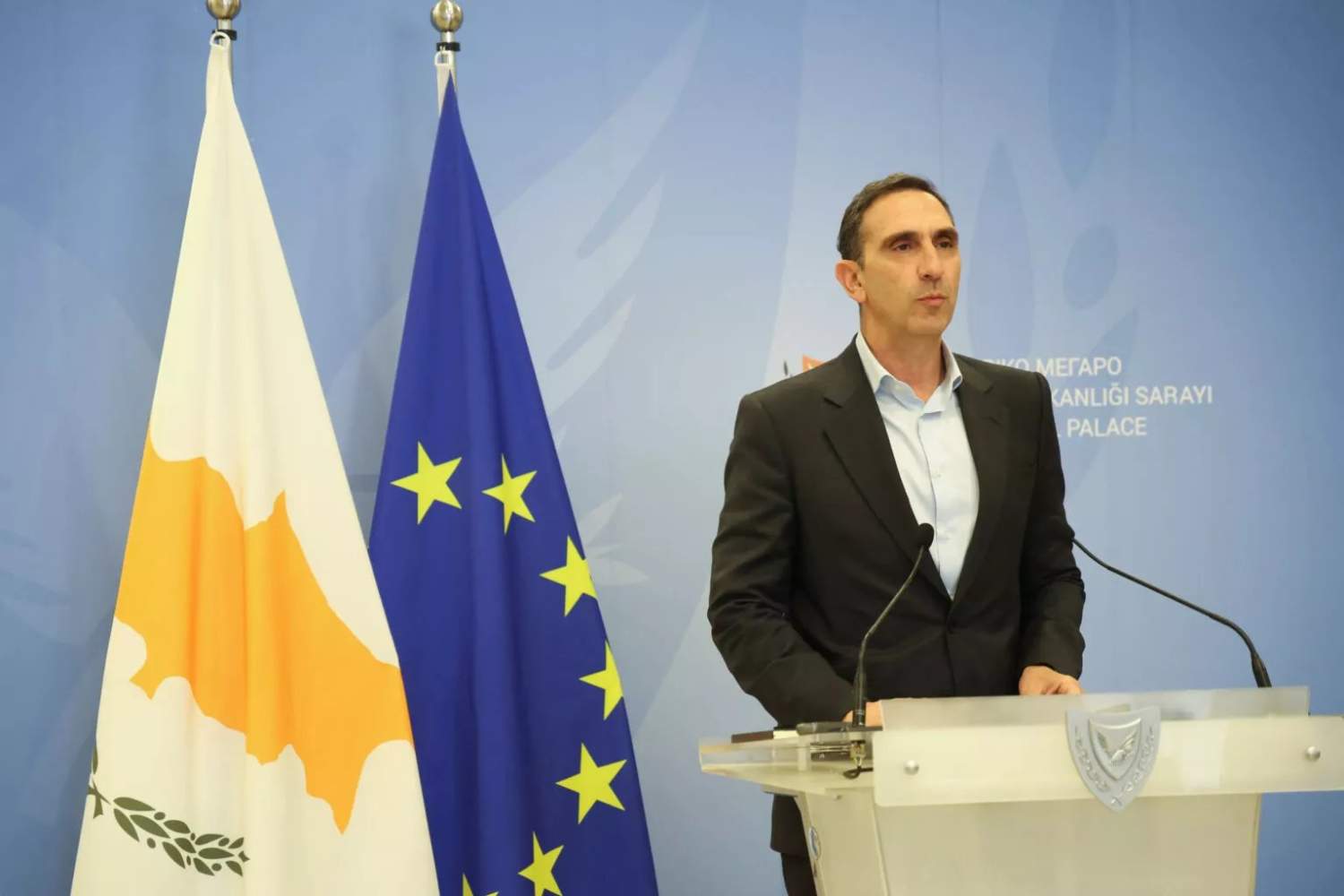
The countdown has begun. The Interior Ministry is to be expanded and a National Civil Protection Mechanism set up as the central system coordinating every department and agency involved in civil protection. The cabinet, it will be recalled, decided on 4 June 2025 to rename the ministry the ‘Ministry of Interior and Civil Protection’.
Parliament has started debating the bill. Its primary aim is clearly to prevent disasters or limit their potential impact. The decisions, as everyone knows, were set in motion after the deadly, destructive wildfire in the Limassol hills. The fires, and not only the one in Limassol, have shown that effective crisis management is needed.
And crisis management demands a mechanism that is in charge. We have written many times about the need for a single body to oversee all the services mobilised for fires, earthquakes and other disasters, natural or otherwise. That need was exposed in every crisis and sparked public debate, usually in the wake of, say, a major fire. And then? Nothing until the next disaster. Not a single measure.
It should be said, though, that the bill takes into account much of what was debated, including the gaps and omissions.
We want to believe that the bill’s provisions will meet every need of crisis management. Coordination should also operate at a level that brings every service under the supervision of a National Coordinator. The law will establish the post of National Coordinator, who “will head the National Civil Protection Mechanism and will have sole responsibility, in a civil protection situation, for coordinating all those involved in responding to crises, as regards the dispersal, movement and deployment of forces during the crisis response, regardless of the service to which they belong”.
Past events show that a coordinator is needed: someone to plug the gaps, tackle the poor communication and coordinate every service involved in a crisis.
Tabling the bill, and the sweeping changes it sets in motion, is a good move. But everything will be judged on the ground, and on the ground alone. We shall see how it works in practice.

