


An abandoned village, little known to the wider public, has moved to the centre of public debate in Cyprus, after claims about the purchase of Trozena by Israelis spread from Facebook posts to the national news agenda.
The first reports carried a tone of alarm, creating fears that the investment was part of a wider plan to turn the area into an Israeli enclave and settle large numbers of Jewish people on the island. They also suggested a lack of transparency and claimed security guards were preventing entry to the village.
But as the issue developed through public debate and media coverage, the narrative of an Israeli takeover of Trozena appeared, at least for now, to be unsupported.
The investor behind the plan is Uriel Curtis, a Hungarian businessman of Israeli origin who says he fell in love with Trozena at first sight and wants to bring it back to life. The environmental questions raised by the project remain a separate issue and have become part of the public debate.
Arsos community leader Yiannakis Yiannaki and Greens MP Charalambos Theopemptou set out sharply different views to Phileleftheros. Yiannaki said the area had been criminally abandoned by the state and that the community council welcomed any development aimed at giving it new life. Theopemptou pointed to what he described as serious problems with large developments in Cyprus, including issues he said were visible in the Trozena case.
A village left behind
The first Greek Cypriot residents arrived in Trozena in the final quarter of the 19th century, around 1880. The village reached its population peak in the 1946 census, with 133 residents. It had 64 residents in 1931 and 106 in 1960.
About a century after the first Greek Cypriots settled there, the village was fully abandoned. The lack of basic infrastructure, including electricity and running water, and the state’s reluctance to find a solution, left the remaining permanent residents with little choice.
For about half a century, Trozena was left to wild vegetation, snakes, rodents and rubbish, becoming an easy dumping ground for people from nearby areas.
The investor’s plan
Curtis, who was born and raised in Hungary and holds Hungarian and Israeli passports, arrived in Trozena five years ago. He told Alpha that he loved the village from the first moment and tried to understand why it had been abandoned and what its ownership status was.
He said his original vision was simple: to create a space for people who need time to rest and calm down. He clarified that he planned to build 60 rooms, not houses. He also said he had not bought the church, which is not for sale, and expressed the hope that it would never be put up for sale.
According to earlier reporting by Phileleftheros, the core of the project involves reviving Trozena’s residential fabric through seven complexes.
The plan includes 64 homes in total: 48 new traditional homes and the full restoration of 16 existing ruined buildings. All units are planned to be built with local stone and tiles to preserve the area’s historic character.
The homes, mainly one-bedroom units, would be able to host up to 132 people.
The project also includes infrastructure aimed at promoting local products. A small-scale winery is proposed, with capacity for 40,000 bottles a year, corresponding to about 40 tonnes of grapes annually. It would include a tasting room, cellar and production area.
Parts of the plots that will not be built on would be turned into new vineyards, while an existing building would be extended to house a restaurant with capacity for 100 people, along with reception areas and offices.
The plan also includes services for visitors seeking contact with nature, including a wellness centre with a gym and spa areas, as well as camping facilities to promote alternative forms of mild nature tourism.
Permits and the environment
The general spatial plan to rebuild and revive the abandoned settlement is under examination by the Environmental Authority after unauthorised interventions and illegal works were found in the area of the proposed project.
The interventions appear to have taken place before the submission and examination of a Special Ecological Assessment Study, which is required under current legislation because the proposed project falls entirely within the Natura 2000 Special Protection Area of Cha-Potami.
Environmental scientist Costas Papastavrou, writing in Phileleftheros, said the fact that the old settlement lies inside a protected Natura 2000 zone does not mean everything is banned. It does mean, however, that before any work takes place, authorities must examine whether it seriously affects nature and protected species in the area.
In such areas, agriculture, beekeeping, mild tourism, small developments and traditional activities are allowed. The basic principle is that people may be active there, as long as they do not destroy the nature being protected.
Before a project starts in a Natura 2000 zone, European legislation requires environmental studies and an assessment of whether it affects birds, habitats, water, the landscape and the wider ecosystem. State services then decide whether to approve the project, impose conditions, or reject it.
The issue raised in Trozena is not that an investor touched an abandoned settlement, but that actions were taken before the necessary permits and checks were completed.
Papastavrou also said Natura 2000 protected areas are not only important for ecosystems, but also for local social and economic development. They can support mild forms of activity and therefore contribute to job creation.
He noted that mild economic activity in such areas may offer additional incentives for their protection, while visits to protected areas often give people unique experiences and raise awareness about environmental protection.
Community leader backs the development
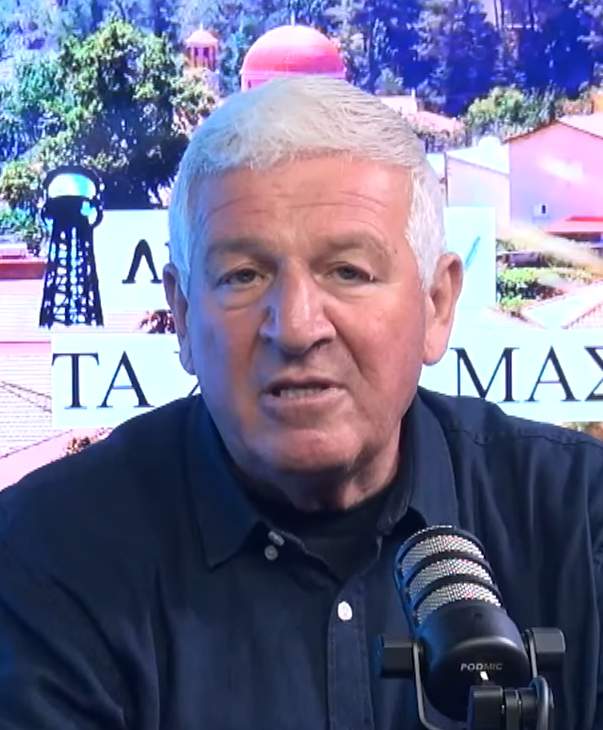
Yiannaki said the Arsos community council views positively and with real enthusiasm any development that can help revive the area.
He said Trozena and the countryside had been criminally abandoned by the state for decades, while urbanisation had hit communities hard. Arsos, he said, once had about 1,200 residents but now has only 100.
The community leader said investments, regardless of origin, could give the area a lifeline. He said 10 local families are already working because of the development underway and that the number would multiply once the project is completed, with planned activities including a winery, vineyards, apartments and other facilities requiring staff for operation and maintenance.
He said the project would support the local economy and, more importantly, bring life back to the villages. He also said the area expected an increase in tourism, including religious tourism, because of the local monastery.
Yiannaki said the issue had taken on political dimensions and questioned whether the same reaction would have existed if the investor had been Russian, German, or Greek.
He said the community council would not allow any investor or private individual to prevent passage or access to the area, adding that Trozena is and will remain Greek Cypriot land.
He also rejected reports in the Turkish press alleging the encroachment of Turkish Cypriot land, saying Trozena was and remains a purely Greek Cypriot village. The Turkish Cypriot village in the area, he said, was Gerovasa.
Theopemptou warns about large developments
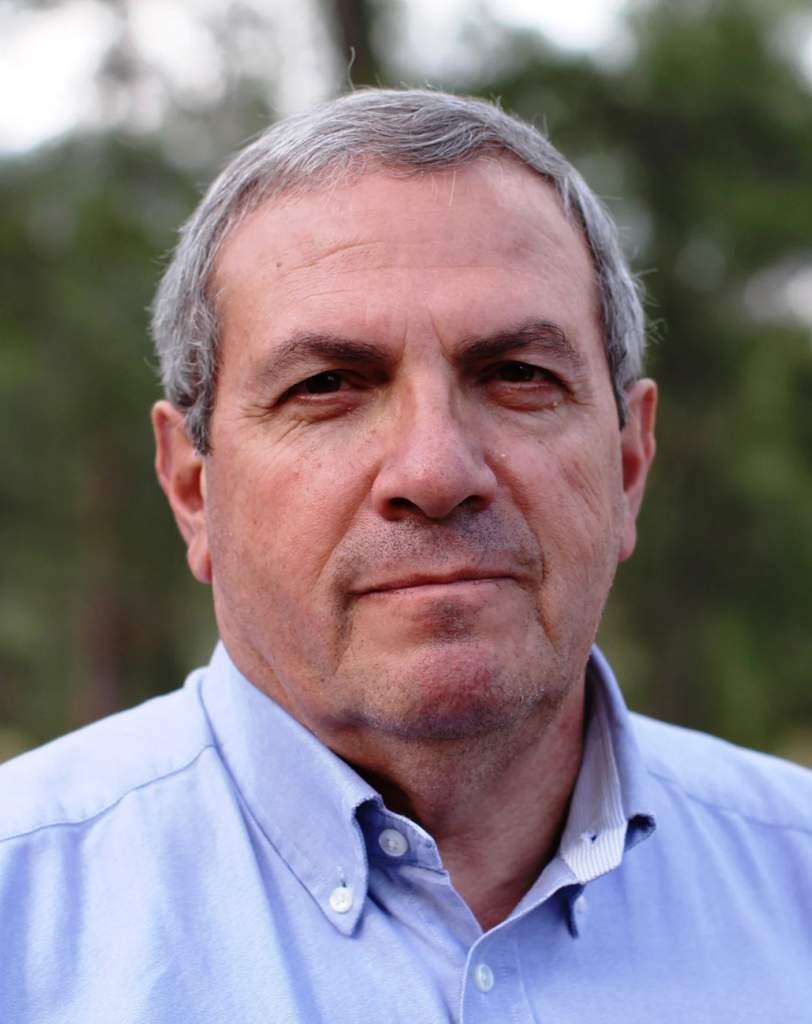
Theopemptou said Cyprus has faced serious problems for years with large developments and what he described as the highly favourable way governments treat them.
He referred to golf courses that now compete with farmers for water, marinas, and past plans for developments on artificial islands at sea.
He also criticised the legal framework for large developments, saying environmental assessment procedures are not handled in the same way as for other projects and that company representatives are allowed to move through government offices to promote applications.
Theopemptou said Cyprus also fails to apply the Barcelona Convention and its protocol on projects in coastal zones, despite its legal obligation towards the EU.
He criticised legislation under which, he said, if someone builds a pier or carries out backfilling, legally or illegally, a beach can then be declared a mooring area and effectively become private.
He said another problem is that when consultations take place, one text is published while the final document contains something else.
The issue, he said, is not only that major projects are built without the required procedures, but also that they often concentrate in sensitive areas such as coasts, natural landscapes, agricultural land, or areas near protected habitats.
Theopemptou said Cyprus has damaged a unique island with rich natural beauty through poor public information, flawed consultation procedures, favourable studies, retrospective approvals and a lack of demolitions.
He said that when rules are loose, it becomes easier for illegalities to occur and for environmental requirements to be ignored, citing Trozena and Paralimni lake as examples where complaints are raised after the law is applied.

