


Stray dog packs roaming Paphos Forest are killing Cyprus mouflon, disrupting their reproduction and in some cases posing a risk to people, the Game and Fauna Service has told en.philenews.
The Service said the problem has intensified in recent years and affects the entire stretch of Paphos Forest adjoining the buffer zone, from Orkontas to Pyrgos.
Its comments followed concerns raised by Kampos community leader Ioannis Papadopoulos, who said packs of dogs had repeatedly been seen chasing mouflon in and around the village.
Petros Anayiotos, spokesperson for the Game and Fauna Service, said authorities had long been aware of the problem.
“We see it frequently and we have a clear picture. This has been happening for a long time,” he told en.philenews.
According to Anayiotos, the animals are stray dogs which mainly enter the area from the occupied areas and are affecting wildlife across the region.
“It is a huge problem, to the point where even the reproduction of the mouflon is affected by the stray dogs,” he said.
He added that the impact was not limited to young or vulnerable animals, saying mature and larger mouflon had also been killed.
The Service said managing the problem was particularly difficult. Anayiotos said legislation governing dogs allows authorities to take measures including trapping and, in extreme cases, killing the animals.
However, he said the scale of the problem made effective intervention difficult.
The Service also rejected suggestions that the animals involved were hunting dogs. “These are packs of stray dogs, and they are not hunting dogs, as some people try to present them,” Anayiotos said.
He said the Department of Forests was also aware of the issue.
Beyond the threat to wildlife, Anayiotos warned that people encountering packs of stray dogs could also face danger.
Papadopoulos had earlier posted photographs on social media which showed a dead mouflon on the Orkontas-Kampos road.
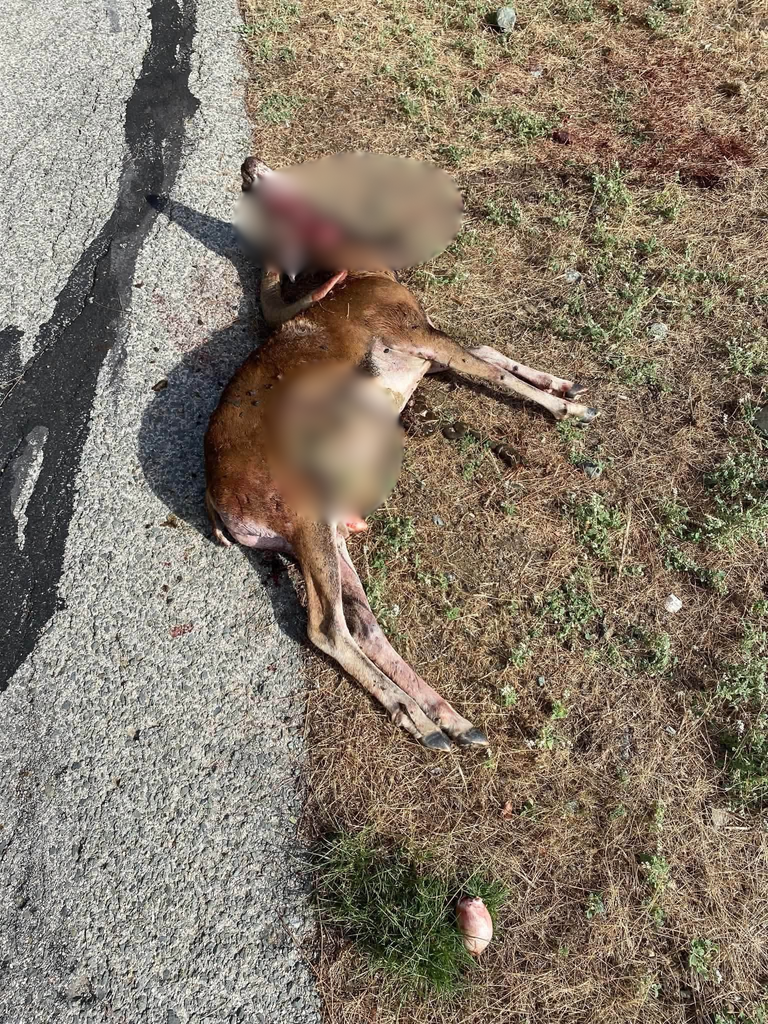
He said there had been numerous instances of dogs chasing mouflon both inside and outside the village and questioned how the problem could be effectively monitored across such a wide area.
The community leader also argued that state services alone faced difficulties controlling the situation.


Read more:

