


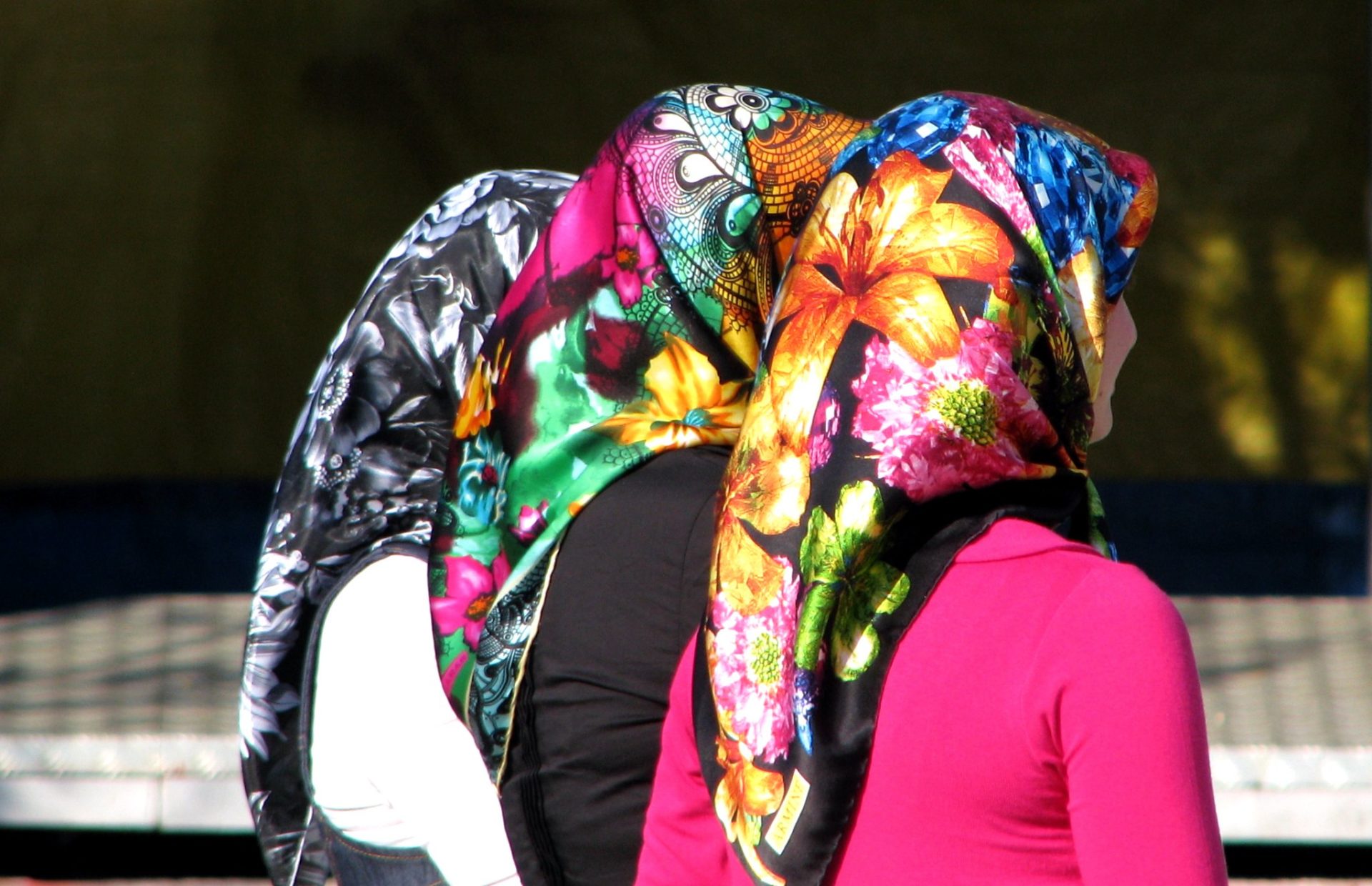
The Turkish Cypriot administration has officially permitted Islamic headscarves in schools for girls under 18, drawing criticism from teacher unions and opposition parties who view it as part of broader religious conservatism being introduced to occupied north Cyprus.
According to Turkish Cypriot media, the decision, which modifies existing disciplinary regulations, was published in the administration’s official gazette and permits students to cover their heads for religious beliefs by placing a headscarf over a cap, provided they are plain, single-coloured and match school uniforms.
“This amendment, which opens the way for religious exploitation through children, creates the impression that children under 18 have completed sufficient development regarding abstract concepts of religious faith and can make their own choices,” newspaper Avrupa reported.
The move has sparked opposition in the Turkish Cypriot community, with critics describing it as another step toward increased Islamisation in line with policies from Turkey’s government under President Recep Tayyip Erdogan.
Selma Eylem, head of the Turkish Cypriot secondary education teachers’ union (KTOEÖS), condemned the decision, saying it was taken “silently at night” and promised her union would “continue to fight against this new dimension of attack.”
“With the theological school, Quran courses, foundations, associations, sectarian structures and missionary work in the name of cultural agreements and the appointment of teachers wearing religious symbols, what the Justice and Development Party (AKP) wants to do in our country, as in Turkey, is religious conservatism in education,” Eylem said.
The Turkish Cypriot teachers’ union (KTÖS) called the regulation “unacceptable” and demanded its immediate withdrawal, threatening legal and union action against what they described as an “illegal process contrary to the principle of secularism that creates problems regarding children’s rights.”
Opposition leader Tufan Erhurman of the Republican Turkish Party (CTP) criticised the administration for implementing such regulations “without consulting the relevant departments” and warned it would “create a controversy in society regarding secular education and freedoms.”
Mine Atli, a lawyer and activist from the Women’s Life Support Association (KAYAD), stated the move represented “politics interfering with faith, violating the principle of secularism and removing children’s right to choose.”
Occupied northern Cyprus, recognised only by Turkey, has traditionally maintained a more secular education system, with critics viewing recent religious policy changes as part of Turkey’s increasing influence in the territory.
Read more:

