


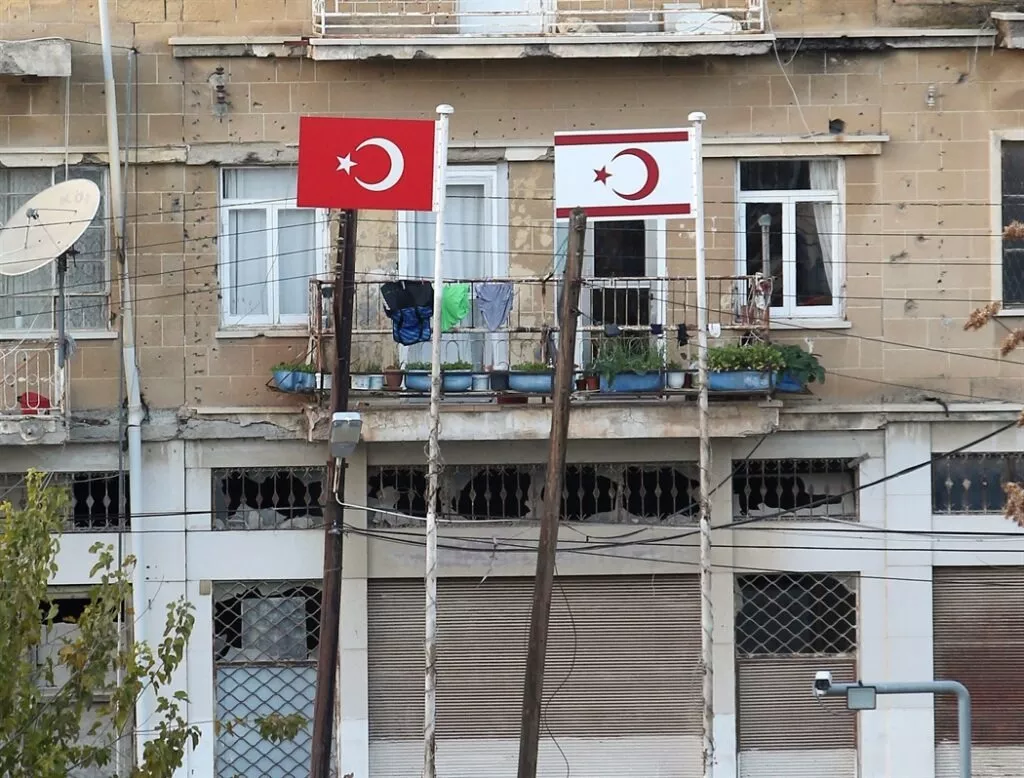
As diplomatic efforts intensify ahead of the upcoming informal five-party conference in Cyprus scheduled for March, Turkey is focusing on strategies to manage potential deadlock and shape the post-conference landscape. The country is particularly focused on reinforcing its stance regarding the status of the Turkish Cypriot side should negotiations stall.
Turkey’s primary objective remains the continued enhancement of the breakaway entity, applying pressure on nations friendly to Ankara to support its position. While full recognition of the Turkish Republic of Northern Cyprus (TRNC) seems unlikely, Ankara aims to bring this scenario to the table and engage in discussions about it.
Reports suggest that Turkey is preparing for this outcome by crafting a narrative based on the repeated failures of previous attempts, casting the blame for the deadlock on Nicosia, and strongly emphasizing the “realities on the ground.”
A key diplomatic move includes Foreign Minister Hakan Fidan’s references to cases where regions once part of a nation declared independence, such as South Sudan and East Timor. Fidan has cited these examples, including during his recent controversial visit to the occupied areas, as part of a broader effort to gain international recognition for the occupation. These instances, while not directly comparable to the situation in Cyprus, are being used by Turkey as part of its diplomatic strategy.
Turkey has long promoted the concept of sovereign equality and equal international status for the Turkish Cypriot side. This position was formally submitted during the informal Geneva summit in April 2021, where Turkish Cypriot leader Ersin Tatar presented a six-point document, stating that future talks would focus on the relationship between two independent states. Neither the UN Secretary-General nor the Greek Cypriot side requested the withdrawal of this document, which Turkey sees as legitimizing its continued efforts to place these issues on the agenda.
Meanwhile, the Republic of Cyprus is working to break the stalemate, despite the challenges it faces, with a focus on creating a preventive process. Nicosia has been strengthening its alliances with international players, including the European Union and the United States, to counter Turkey’s push for greater recognition of the breakaway region. Cyprus has also mobilized the EU and kept the European Commission informed on the developments.
The government of Cyprus is closely monitoring the issue of potential agreements between Turkey and Syria over maritime boundaries, although there is no complacency despite reassurances provided.
Cross-border Talks and Humanitarian Diplomacy
On the practical front, Cyprus continues efforts to improve cross-border cooperation, with a scheduled meeting between President Christodoulides and Turkish Cypriot leader Ersin Tatar focusing on the potential opening of new crossing points along the Green Line. Disagreements persist, as Turkey rejects proposals from Cyprus to open new checkpoints at Kokkina and Pyroi, instead advocating for a crossing at Mia Milia.
Cyprus is also working on increasing its diplomatic presence in Africa, with plans for the establishment of new missions in at least two African countries. The initiative includes a new Africa Department within the Ministry of Foreign Affairs, which will oversee diplomatic missions and a roaming ambassador tasked with strengthening ties across the continent. Additionally, Foreign Minister Constantinos Kombos is set to visit several African states as part of the broader effort to expand Cyprus’s diplomatic influence.
A key component of Cyprus’s strategy is increasing humanitarian aid, with an increase in the aid budget from €4 million to €5.8 million. This aligns with the island’s broader diplomatic approach, which includes bolstering ties with Orthodox missions and assisting their charitable work in the region.
In response to Turkey’s growing influence in Africa, including its deployment of military personnel, engineers, and religious leaders, as well as its television productions, Cyprus aims to counterbalance Ankara’s outreach by strengthening its presence on the continent.
Turkey’s diplomatic footprint in Africa continues to expand, with the number of Turkish embassies in African nations reaching 44, alongside its development aid agency TIKA, which also operates in the occupied territories.

