


Two cases of dengue fever were recorded in Cyprus in July, State Health Services Organisation (SHSO) press spokesperson Charalambos Charilaou told philenews.
The first case involved a woman with a travel history, who visited the accident and emergency department of a state hospital after symptoms appeared. During her examination, a healthcare professional came into contact with her blood and was subsequently also diagnosed with the virus.
Both patients have recovered and were discharged several days ago, the SHSO spokesperson said.
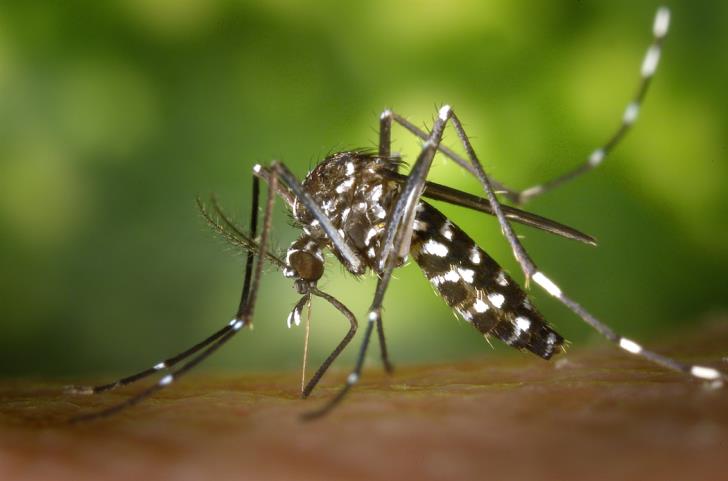
Dengue fever is transmitted mainly through the bite of infected Aedes mosquitoes. The main global vector is Aedes aegypti, while the Asian tiger mosquito, Aedes albopictus, can also transmit the virus. Both species have been established in Cyprus for years. Unlike West Nile virus, which is spread mainly by common Culex mosquitoes, Aedes mosquitoes are also significantly active during the day.
Direct transmission of dengue fever from person to person is extremely rare and does not occur through ordinary social contact. The European Centre for Disease Prevention and Control has recorded cases of transmission through blood and blood products, while international literature has also described rare occupational infections following healthcare workers’ exposure to infected blood.
Symptoms
Symptoms usually appear a few days after infection and can include high fever, severe headache, pain behind the eyes, muscle and joint pain, nausea or vomiting, and skin rash. The intense muscle and joint pain has led to the informal name “breakbone fever,” a term describing the severity of the pain rather than indicating that the virus causes fractures.
Most patients recover within one to two weeks. In some cases, however, severe dengue fever can develop, involving haemorrhage, a sudden drop in blood pressure and organ damage. Intense abdominal pain, continuous vomiting, blood in vomit or stool, bleeding from the nose or gums, breathlessness and severe weakness all require immediate medical evaluation.
Read more:

