


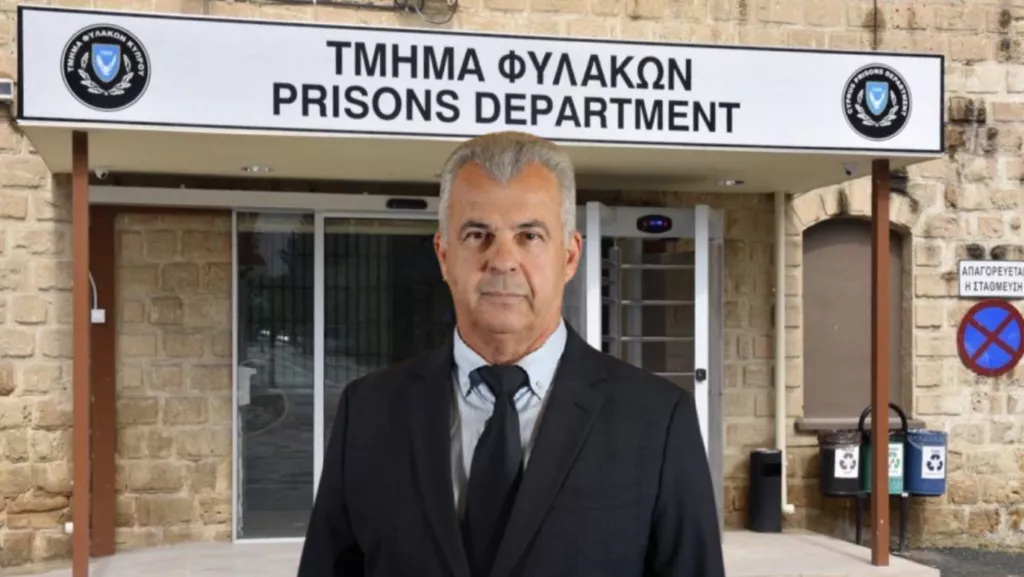
The polished image of Cyprus’s Central Prisons, once popularised by Netflix-style documentaries, has been shattered by a harrowing report from the Council of Europe’s Committee for the Prevention of Torture (CPT). Far from a model of reform, the facility is described as a “ticking time bomb” where overcrowding and a total loss of control have allowed hardcore inmates to seize power.
The crisis now falls to the newly appointed Minister of Justice and Public Order, Costas Fytiris, a former special forces commander expected to impose order on a system in freefall.
CPT Report: A Catalogue of Degradation
The CPT’s latest findings reveal a “seriously problematic” environment that has deteriorated since 2023. The report exposes shocking living conditions that strip inmates of basic dignity:
Sanitary Crisis: Cells designed for one person now house four. With no toilets in over half the cells, prisoners are forced to use plastic bags and bottles for human waste.
Two-Tier System: Due to severe staff shortages, prison officials have effectively lost control of two wings. Hardcore convicts have filled the power vacuum, imposing “informal punishments” on weaker inmates.
Minors and Women: Children continue to be held alongside adults in unsuitable cells, sleeping on the floor. The CPT has demanded their immediate transfer to specialised facilities and a gender-based policy for female inmates.
Failed Oversight: The complaints system is dismissed as ineffective and lacking confidentiality, leaving inmates with no safe way to report abuse.
Decades of Inertia
The rot is not new. Leaked documents reveal that senior officials, including former commanders, warned the Ministry as far back as 2013 about severe understaffing and a lack of emergency training for wardens. The CPT has been issuing warnings about overcrowding since 1999, yet the state remains stagnant.
The Minister’s ‘Electric Chair’
Minister Costas Fytiris took office amidst an immediate crisis: two deaths within the prison walls in just 48 hours. Following an emergency inspection, Fytiris promised a “rapid and comprehensive intervention” focusing on three pillars:
–Decongestion of the facility.
–Improving living conditions.
–Upgrading surveillance and control.
Experts Call for Radical Reform
Specialists argue that simply building more prisons is not the answer. Dr Costas Paraskeva, a former CPT representative, suggests that building more cells only leads to more incarcerations. He proposes:
1. Alternative sentencing for those serving less than a year.
2. Electronic monitoring (tagging) for remand prisoners.
3. Decriminalising drug use, treating it as a medical rather than a penal issue.
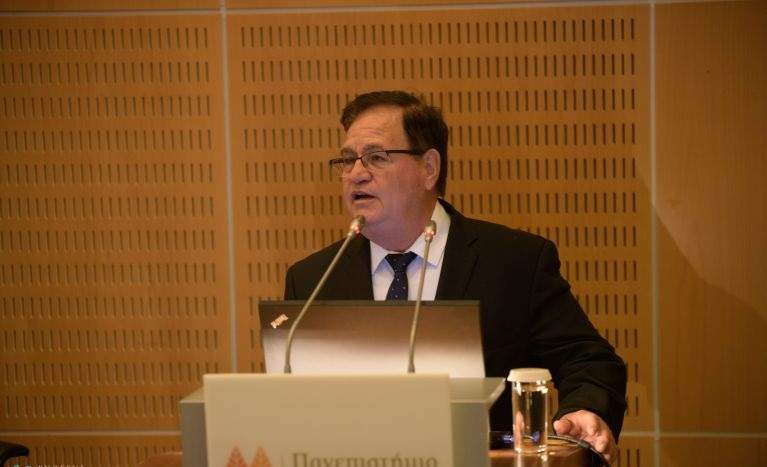
Professor Andreas Kapardis, an expert in criminal sciences, further demands an international recruitment drive for a new Director, the creation of an Internal Intelligence and Security Department, and a pay rise for wardens to combat corruption.
Wardens Fear for Their Lives
Prison staff are sounding their own alarm. The ‘ISOTITA’ union warns of an “explosive security crisis,” claiming wardens are being forced into paramilitary roles that make them targets for organised crime. They demand:
1. A new high-security facility built to European standards, away from residential areas.
2. Police intervention for high-risk searches, so wardens can focus on inmate management.
3. Strict separation of remand prisoners from convicted felons and petty offenders from violent criminals.
A National Disgrace
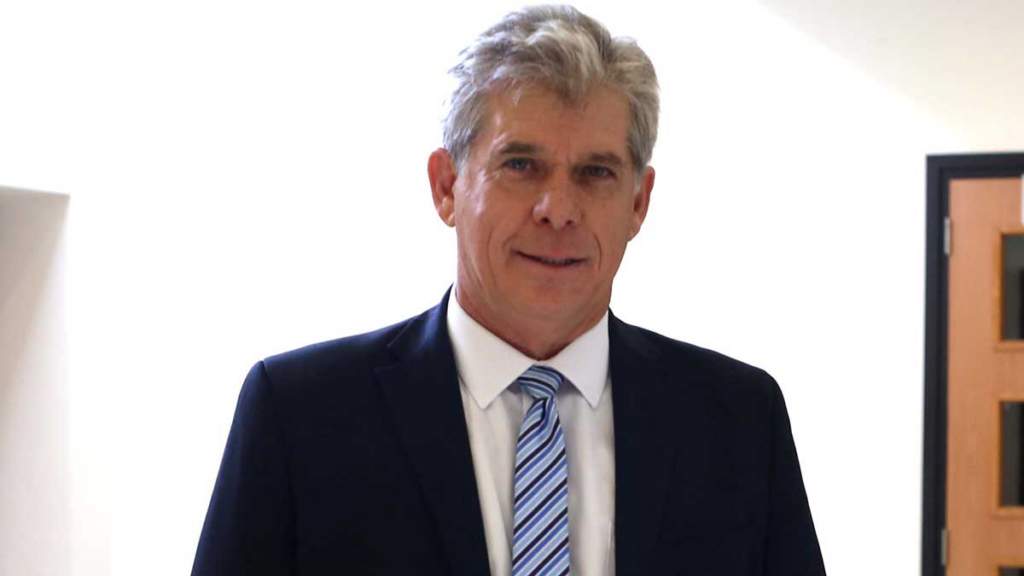
Michael Vorkas, President of the Cyprus Bar Association, warns that the current state of the prisons—marked by murders, suicides, and drug smuggling coordinated from inside—is an international embarrassment. He insists that “re-socialisation” is now impossible and calls on the government to move past words and take “bold, immediate action” to restore the rule of law within the prison walls.

