


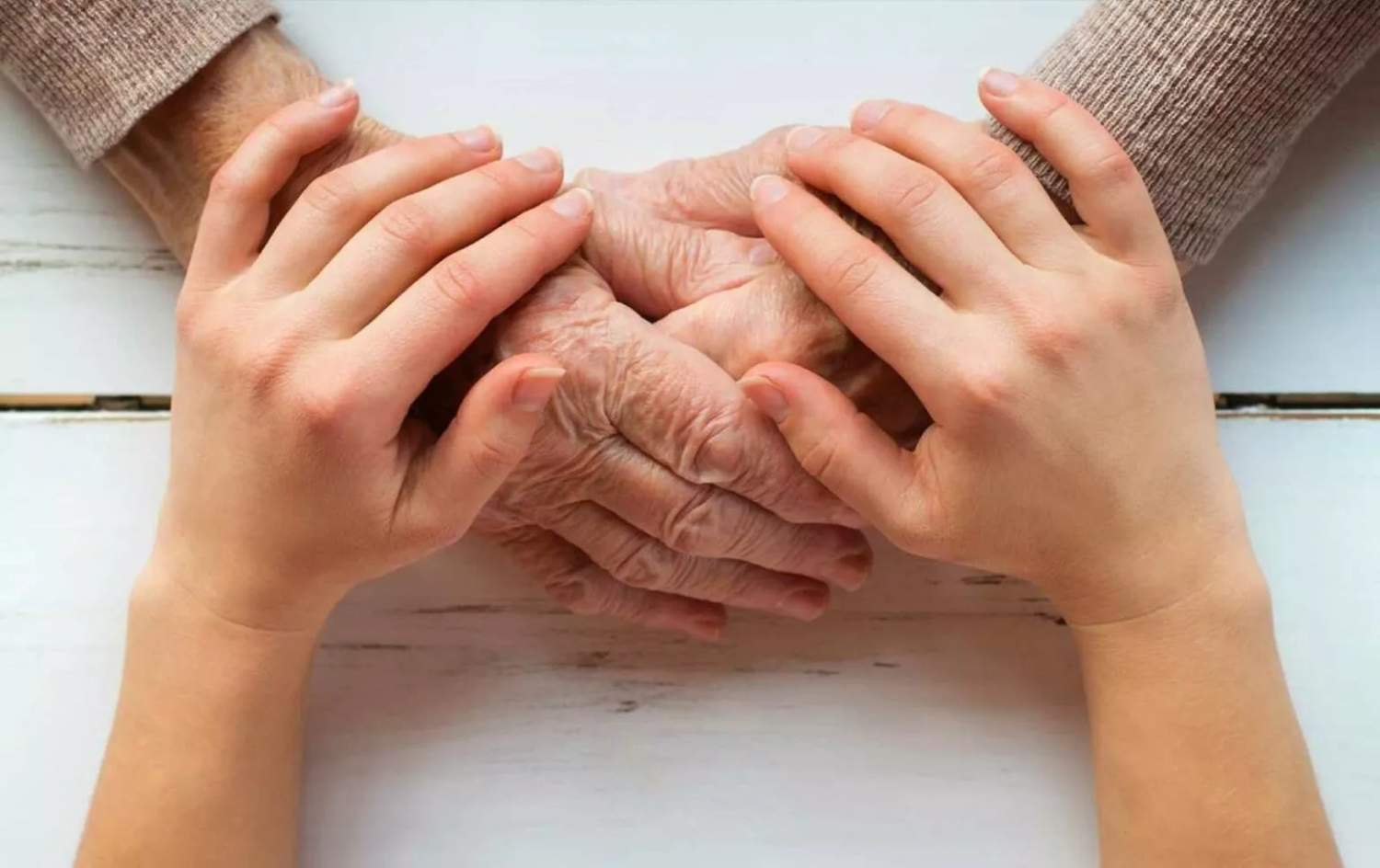
Cyprus needs a comprehensive national policy for informal carers as part of the reform of long-term care, a network representing them said, citing a European study that valued their unpaid work at 526 million euros a year.
That was 2.79 per cent of GDP, while public spending on long-term care was just 0.3 per cent. The study, by Peña-Longobardo and Oliva-Moreno, examined non-professional care in 33 European countries using 2016–2017 data. It estimated that about 95,000 people in Cyprus provided informal care, giving almost 87 million hours a year in total.
Marios Kantaris, speaking for Thalpo, the Cyprus Informal Carers Empowerment Network, told Phileleftheros the estimates were dated. With an ageing population and growing long-term care needs, he said, the situation may now be even more demanding.
The issue is back on the agenda after the World Health Organization (WHO) presented a new framework of policy options for recognising paid and unpaid care workers in health system planning. Its technical document covers 20 policy areas, with an emphasis on training, working conditions, social protection, gender equality and coordination between health and social care.
The government’s intention to recognise the years informal carers spend caring for pension purposes is already known.
The carer’s role
Informal carers look after elderly parents, spouses who have had a stroke, children with disabilities, and people with dementia, cancer and serious chronic illnesses. Their work ranges from personal hygiene, feeding and medication to accompanying patients to appointments and supervising them at night. For many, it lasts years or even decades.
Many take on the role suddenly, after a serious diagnosis, an accident or a relative’s deteriorating health. They often have no training, do not know which services could help and have no affordable alternatives. The role can bring stress, emotional exhaustion, social isolation and constant uncertainty about the future.
In many cases, carers cut their working hours, pass up career opportunities or leave the labour market altogether. That can mean lower social insurance contributions and smaller pensions later. Older carers, who often look after a spouse while dealing with health problems of their own, are particularly vulnerable.
What Thalpo is asking for
Kantaris said recognising carers’ contribution could not be limited to statements of appreciation or occasional awareness campaigns, and had to come with concrete support measures.
The key needs identified include recognition and a separate assessment of carers’ own needs, access to information and training, psychosocial support and respite services. Also central are protection of carers’ jobs and income, suitable carer’s leave, flexible working arrangements, and social and pension protection.
Thalpo links the recognition of informal carers to the wider reform of long-term care. Kantaris said the experience of rolling out the General Health System (GHS) showed the importance of a comprehensive approach to organising services.
Long-term care, however, was not only a medical matter, he said. It also covered social services, home support, community facilities, personal care services and social protection measures.
Thalpo says Cyprus needs an organised, universally accessible long-term care system with clear eligibility criteria, adequate funding and effective coordination between the services responsible.
“The family cannot and must not be the only answer to long-term care needs,” Kantaris said. Informal carers should be recognised as an integral part of the system, but not treated as a substitute for professional services, he added.
Eligibility and representation
Thalpo is also raising the question of who will qualify for future support measures. Informal care is not limited to people with a certified disability. It also covers people with dementia, cancer, chronic and degenerative conditions, older people with reduced independence, and others who need long-term help.
The network is also calling for informal carers and the organisations representing them to take part formally in shaping, implementing and evaluating long-term care policy. Kantaris said the representation of people receiving care and the representation of their carers were not the same thing, as their interests and needs, though closely linked, did not always coincide.

