


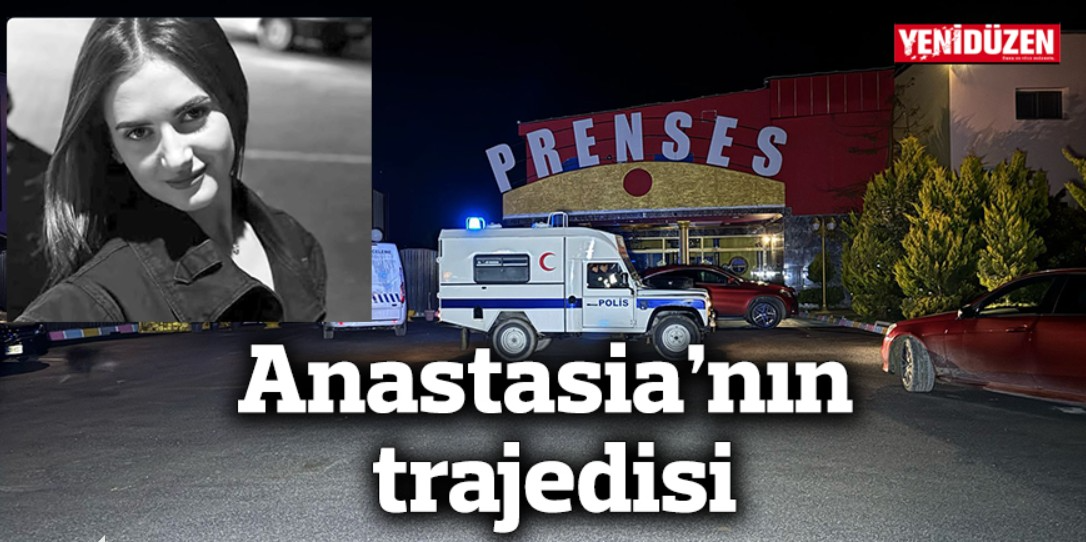
Civil society organisations penned a letter demanding an investigation into the death of a young woman at a nightclub in occupied Gerolakkos, citing concerns about possible human trafficking and exploitation.
Multiple human rights groups across the divide, signed a joint statement calling for authorities to further examine the circumstances surrounding the death of Anastasia Melega, 25, whose body was found at a nightclub in the occupied north, and whose death has been ruled a suicide.
The coalition of eight organisations questioned whether the suicide ruling should mark the end of the investigation.
“The current situation fails to address the broader issues of labour and sexual exploitation experienced by the women who are somehow bound to these establishments,” the statement said.
The groups specifically called for investigation into the freedom of movement of women within such venues, working conditions, and the potential presence of “psychological and/or physical violence, coercion, or threats.”
The statement also demanded clarification on how the nightclub and its management would be held accountable if found to have played a role in Melega’s death.
Signatories expressed concern that without urgent action from authorities and greater public awareness, similar tragedies could occur in future.
“Human trafficking is a serious crime and requires comprehensive solidarity to deal with it,” the statement concluded. “Anastasia is not the first and sadly may not be the last victim of these terrible circumstances.”
The eight organisations that signed the statement include the Refugee Rights Association, Caritas Cyprus, Human Rights Platform, Mediterranean Institute of Gender Studies, Prologue Consulting, Cyprus Stop Trafficking, KAYAD, and the Queer Cyprus Association.
Sex trafficking and nightclubs in the occupied north
The self-proclaimed “Turkish Republic of Northern Cyprus” has been identified as a destination for women from Central Asia, Eastern Europe, and Africa who are subjected to forced prostitution in nightclubs licensed and regulated by the Turkish Cypriot administration. These establishments, often operating as brothels, employ women under the guise of “hostess” or “barmaid” roles. Despite prostitution being illegal, enforcement is generally lax, leading to the region becoming a destination for sex tourism.
Exploitation of international students
There have been alarming reports of traffickers luring young Nigerians and other international students to the occupied north with promises of university education and work opportunities. Upon arrival, many are coerced into prostitution or forced labour. The Human Rights Platform, a Turkish-based NGO, reported that approximately 70% of the individuals contacting its anti-trafficking hotline since November 2021 were Nigerian women, primarily between the ages of 18 and 30. These victims often have their passports confiscated and are subjected to exploitative conditions.
Labour exploitation
Labour trafficking is also a concern in the occupied north, with reports of individuals from countries such as Bangladesh, India, Turkey, Pakistan, Turkmenistan, Senegal, Kazakhstan, and Uzbekistan being subjected to forced labour in sectors like agriculture, construction, and domestic work.
The region’s international isolation hampers effective implementation of human rights standards and limits cooperation with international organisations. Additionally, the economic reliance on sectors susceptible to trafficking, such as tourism and education, complicates efforts to address the issue.
Read more:

