


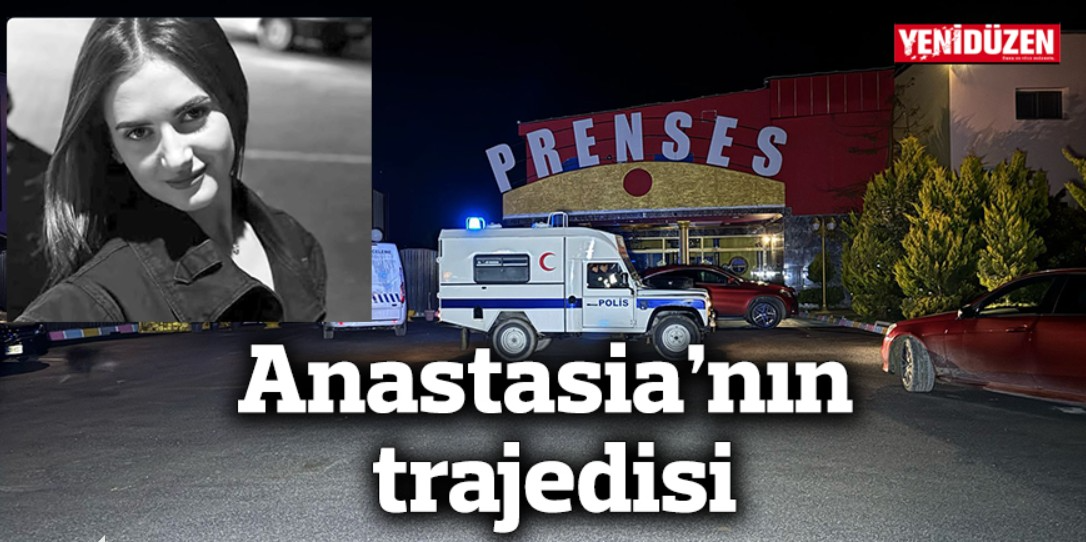
The death of 23-year-old Anastasia Melega from Moldova in a nightclub in Gerolakkos has reignited debate on human trafficking in the occupied north.
While “police” are describing the incident as suicide, Turkish Cypriot media sources have renewed concerns about human trafficking and sexual exploitation. Yeni Düzen characterised the case as the “tragedy of Anastasia,” whilst Erhan Arıklı, “transport minister” and leader of the coalition Rebirth Party, also commented on the situation.
In a social media post, Arıklı appeared to indirectly acknowledge the existence of sexual exploitation networks in the occupied areas, stating that “prostitution occurs with the knowledge and for the benefit of the state.”
He referenced a previous case where a young woman from Kyrgyzstan had been deceived and forced into prostitution at a cabaret in Gerolakkos.
Arıklı noted that many women are brought to the occupied territories with false job promises and subsequently forced to work under duress, with their passports confiscated and “contracts” signed under pressure. He emphasised the need for protective measures, calling for airport screenings for women entering the self-declared state.
Medical association warns of “social collapse”
The Turkish Cypriot medical association issued a statement describing a social collapse, condemning the increase in femicide, sexual assaults and organised crime.
“The country is not producing policies on any issue, violating democracy and meritocracy,” the statement read, urging “authorities” to take action to ensure social peace.
Sex trafficking and nightclubs in the occupied north
The self-proclaimed “Turkish Republic of Northern Cyprus” has been identified as a destination for women from Central Asia, Eastern Europe, and Africa who are subjected to forced prostitution in nightclubs licensed and regulated by the Turkish Cypriot administration. These establishments, often operating as brothels, employ women under the guise of “hostess” or “barmaid” roles. Despite prostitution being illegal, enforcement is generally lax, leading to the region becoming a destination for sex tourism.
Exploitation of international students
There have been alarming reports of traffickers luring young Nigerians and other international students to the occupied north with promises of university education and work opportunities. Upon arrival, many are coerced into prostitution or forced labour. The Human Rights Platform, a Turkish-based NGO, reported that approximately 70% of the individuals contacting its anti-trafficking hotline since November 2021 were Nigerian women, primarily between the ages of 18 and 30. These victims often have their passports confiscated and are subjected to exploitative conditions.
Labour exploitation
Labour trafficking is also a concern in the occupied north, with reports of individuals from countries such as Bangladesh, India, Turkey, Pakistan, Turkmenistan, Senegal, Kazakhstan, and Uzbekistan being subjected to forced labour in sectors like agriculture, construction, and domestic work.
The region’s international isolation hampers effective implementation of human rights standards and limits cooperation with international organisations. Additionally, the economic reliance on sectors susceptible to trafficking, such as tourism and education, complicates efforts to address the issue.
Read more:

