


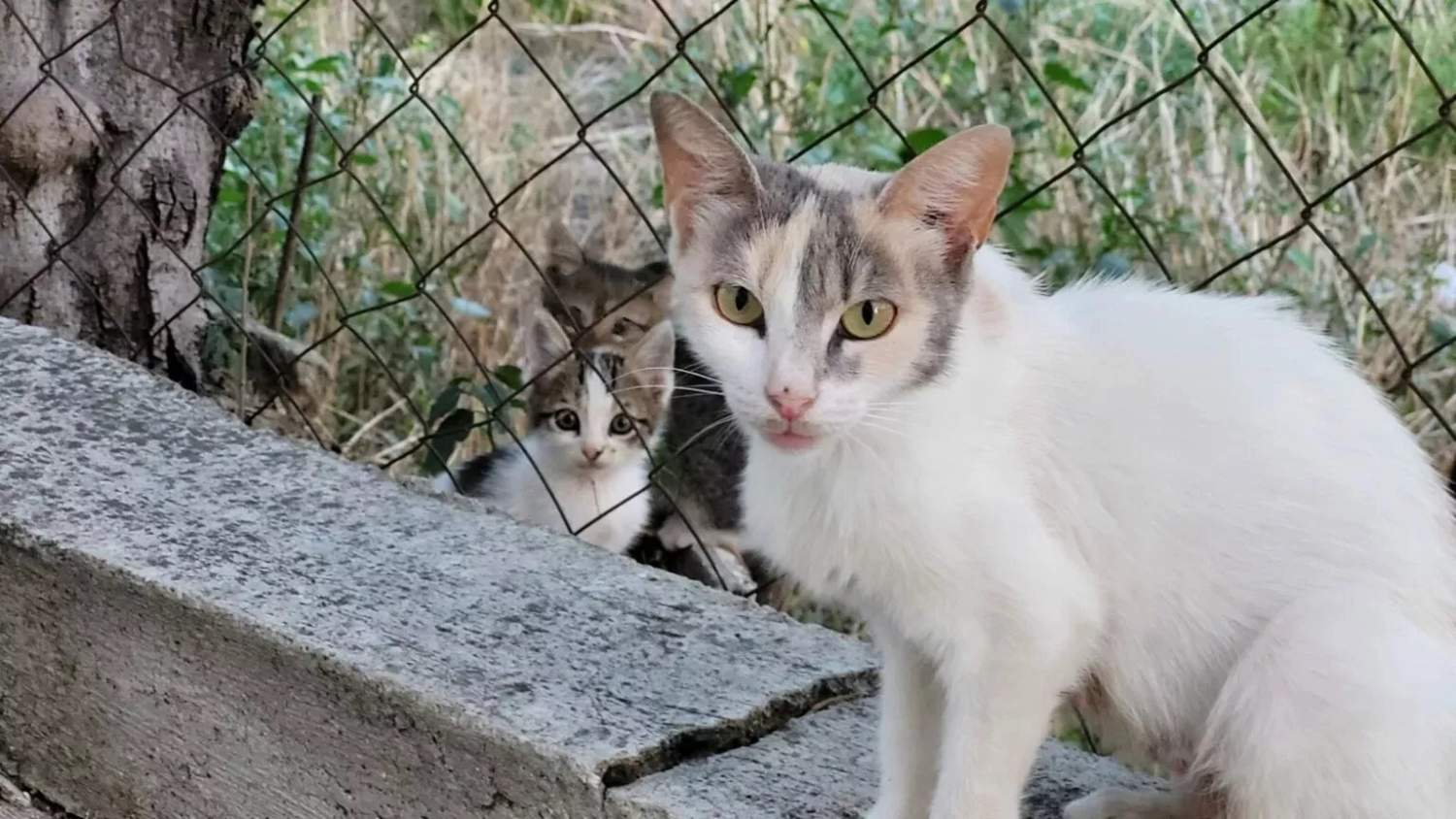
Twelve cats have been found dead and dozens more are missing after suspected poisonings in the Chloraka cemetery area of Paphos district, the Movement of Ecologists – Citizens’ Cooperation said, accusing the authorities of failing to act.
The incidents date back to October 20, the Ecologists said. The woman who reported the cases estimates that around 40 cats may have died, as many disappeared and their bodies were never found.
The party called for answers on how the case was handled, an investigation into possible failings and a stronger Animal Police, and said it wanted those responsible found. It warned that the possible presence of poison was also a serious public health risk, particularly for young children. A formal written complaint was filed with police on October 29.
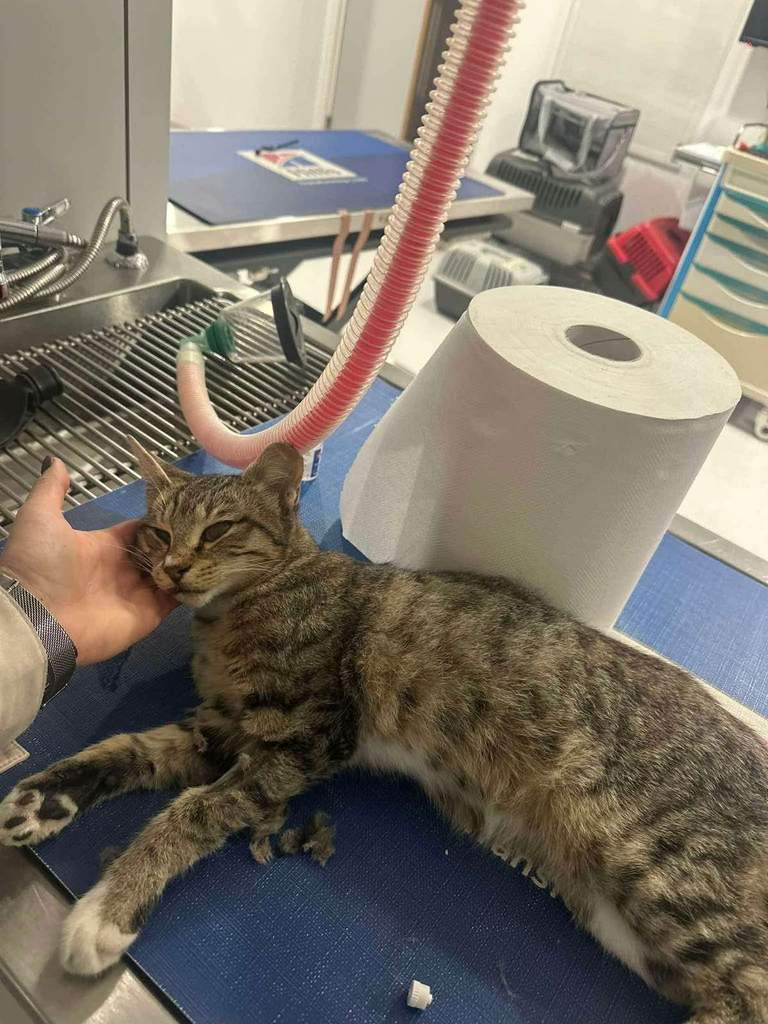
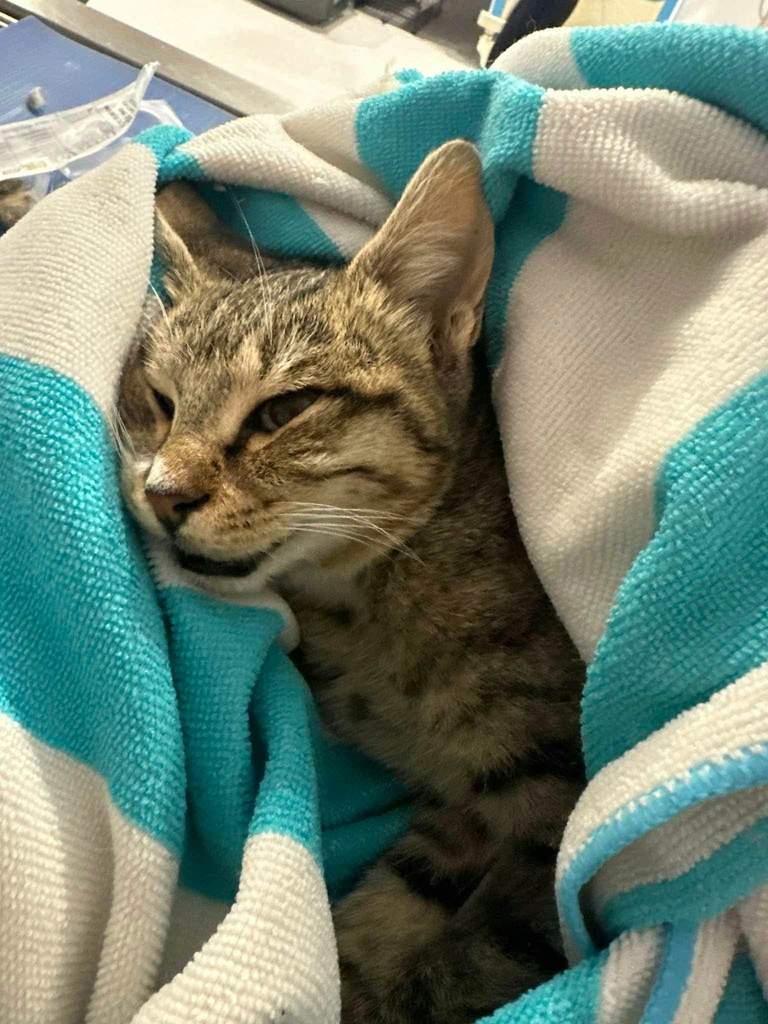
According to the complainant, the first case came on October 20, when she found a kitten close to death in the yard of her home. It was taken straight to a vet and kept for treatment but died the next day. The vet told her it had been poisoned with a toxic substance, possibly rat poison.
On October 21 she called 112, asked for the Paphos Animal Police and reported the case, but was told no action could be taken because she had no evidence, she said. The Ecologists said it had not been established whether the person she spoke to was actually from the Animal Police.
Later that morning she sent an urgent written complaint to several services, including the Animal Police, the Veterinary Services and Chloraka Community Council, copying in the Ecologists. She asked for an investigation, on-site checks, the removal of any poisoned bait, closer surveillance and protection for residents, and says she received no reply. She also put up notices warning residents that poisoned bait might be present, while local animal lovers took in as many cats as they could at their own homes.
The Ecologists argued that a lack of evidence should have prompted police and the Veterinary Services to act at once to secure it, rather than serving as a reason not to intervene. A protocol exists for animal poisonings and applying it is not optional, the party said. It requires officials to go to the scene immediately, search the area, collect any poisoned bait and dead animals while preserving evidence, and carry out post-mortems and toxicology tests where appropriate. Dead animals could be crucial evidence, and delays risked losing it.
The party asked why none of these steps had been taken after the first report, what the local authority had done and why no service had replied to the October 21 complaint.
It said it would no longer limit itself to letters, protests and appeals. Where there were serious signs of negligence, omissions, unjustified delays or mishandling by officials responsible for animal welfare, it would report them formally to the Commissioner for Administration and the Protection of Human Rights, the relevant minister and the police chief, as appropriate, seeking investigations into possible administrative failings.
The Ecologists also renewed their call for the Animal Police to become an independent, specialised and properly staffed body dealing solely with animal protection, saying officers’ other duties limited how quickly they could respond.
Anthi Mouzouri, who coordinates the Ecologists’ Animal Action Group, said protecting animals was the duty of the authorities responsible for their welfare. “Inaction cannot go without scrutiny and accountability,” she said.

