


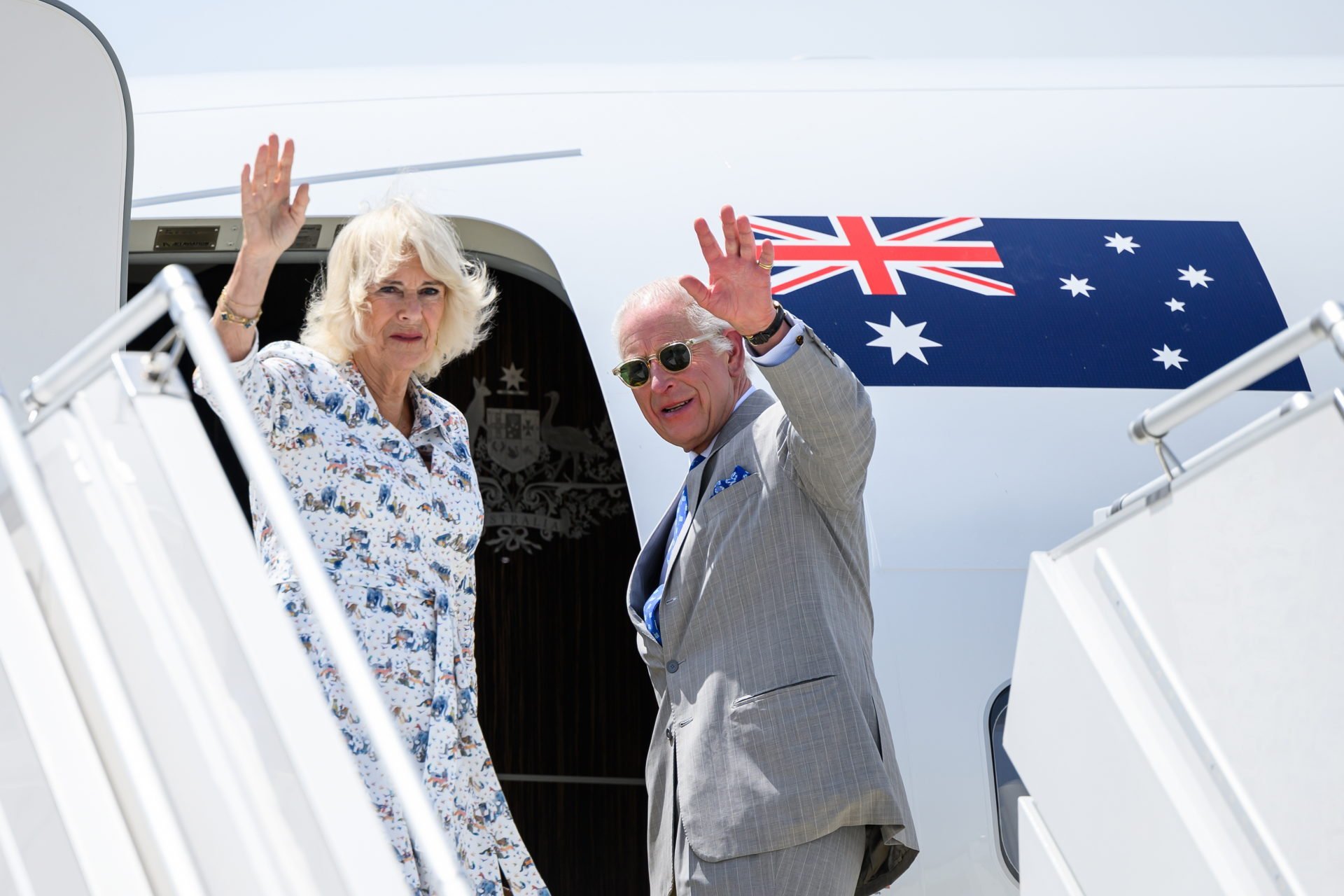
King Charles acknowledged “painful aspects” of Britain’s colonial history at the Commonwealth Heads of Government Meeting (CHOGM) on Friday but avoided direct engagement with calls for slavery reparations from African and Caribbean nations.
In his first CHOGM address since ascending to the throne, Charles told leaders from 56 Commonwealth nations that while history’s lessons must be understood, “none of us can change the past”.
“I understand from listening to people across the Commonwealth how the most painful aspects of our past continue to resonate”, the King said at the summit in Samoa. “Where inequalities exist… we must find the right ways and the right language to address them”.
The comments came as Commonwealth leaders pressed for concrete discussions on reparatory justice. Bahamas Prime Minister Philip Davis told AFP the “horrors of slavery left a deep, generational wound” requiring meaningful dialogue about historical wrongs.
British Prime Minister Keir Starmer indicated potential openness to non-financial forms of reparations. A Downing Street source suggested the UK could support measures like debt relief and restructuring financial institutions, with reparations likely to feature in the summit’s final communique.
St Vincent and the Grenadines Prime Minister Ralph Gonsalves stressed the need for addressing slavery’s lasting psychological and socioeconomic impact, noting that while enslavers received compensation at abolition, the enslaved received “no land, no money, no training, no education”.
Joshua Setipa, a candidate for Commonwealth secretary-general from Lesotho, suggested alternative approaches like climate financing could form part of reparative measures.
The King also addressed climate change and development challenges, warning that failure to act would “only exacerbate” inequalities across the Commonwealth with potential to “fuel division and conflict”.
Read more:

