


Anti-government protests in Iran have continued for a 13th consecutive day as a nationwide internet blackout blocks communications across the country, according to reports verified by the BBC.
Videos verified by the BBC show demonstrators gathering in Zahedan in south-east Iran, with 16 additional towns identified as sites of new protests. Data indicates the country has been mostly offline for at least 18 hours, whilst some Iranians are staying connected through the Starlink satellite service.
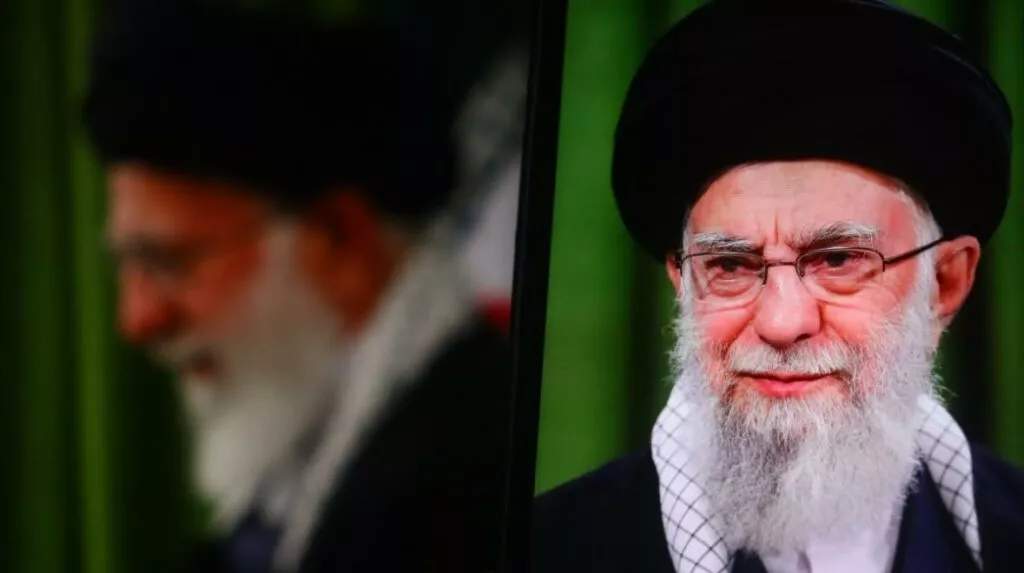
Iran’s Supreme Leader Ayatollah Ali Khamenei has lashed out at protesters, warning that his regime is committed to cracking down on “trouble-makers.”
The BBC received images in recent hours from someone who attended a protest showing overturned cars set alight at Tehran’s Kaaj roundabout. BBC Verify and BBC Persian are analysing footage from several parts of Iran, including Tehran, the holy city of Mashhad, the southern island of Kish and north-western Ardabil province.
One incident under investigation includes a fire at the offices of state broadcaster IRIB in Isfahan. Video shared on social media shows several buildings on fire along a stretch of road. The BBC matched features in the video with satellite imagery and located it to the Young Journalists Club offices, a subsidiary of IRIB. It remains unclear what caused the fire or whether anyone was injured.
US President Donald Trump has vowed to “hit [Iran] very hard” if the regime starts killing protesters. The UK has not explicitly aligned itself with Trump’s stance but urged Iranian authorities to “exercise restraint.”
Unrest began on 28 December when anger initially broke out in Tehran following a significant devaluation of the country’s currency against the dollar before spreading rapidly across the nation. Over the past 13 days, protests have been recorded in over 100 cities and towns across all 31 provinces, according to the US-based Human Rights Activist News Agency.
Yesterday alone, BBC Persian reported that more than 50 towns and cities in Iran’s Kurdish-majority regions had joined a strike in solidarity with the nationwide demonstrations.
BBC Persian has confirmed that at least 22 people have been killed during the protests. HRANA has reported that at least 34 protesters and four security personnel have died and that 2,200 people have been arrested.
Many protesters in Iran have been calling for the return of Reza Pahlavi, the exiled son of Iran’s last shah. When the 1979 revolution swept away his father’s monarchy, Pahlavi and his family were left stateless. Now 65, he is once again seeking a role in shaping his country’s future from his home in Washington DC.
Pahlavi has called on the people of Iran to take to the streets and previously stated he was prepared to help lead a transitional government if the Islamic Republic collapsed. He has since outlined a 100-day plan for an interim administration, telling reporters: “This is not about restoring the past… it’s about securing a democratic future for all Iranians.”
Over the years in exile, Pahlavi has made multiple attempts to build opposition coalitions, though most have struggled with internal disagreements and limited outreach inside Iran. His supporters see him as the only opposition figure with name recognition and a long-standing commitment to peaceful change, whilst critics say he remains too dependent on foreign backing.
Whilst Iran’s government portrays him as a threat and protesters chant in support of him, it is impossible to measure his true support without an open political space and credible polls.
The BBC and most other international news organisations are barred from reporting inside Iran, so social media is relied upon to verify what is happening on the ground.
Read more:

