


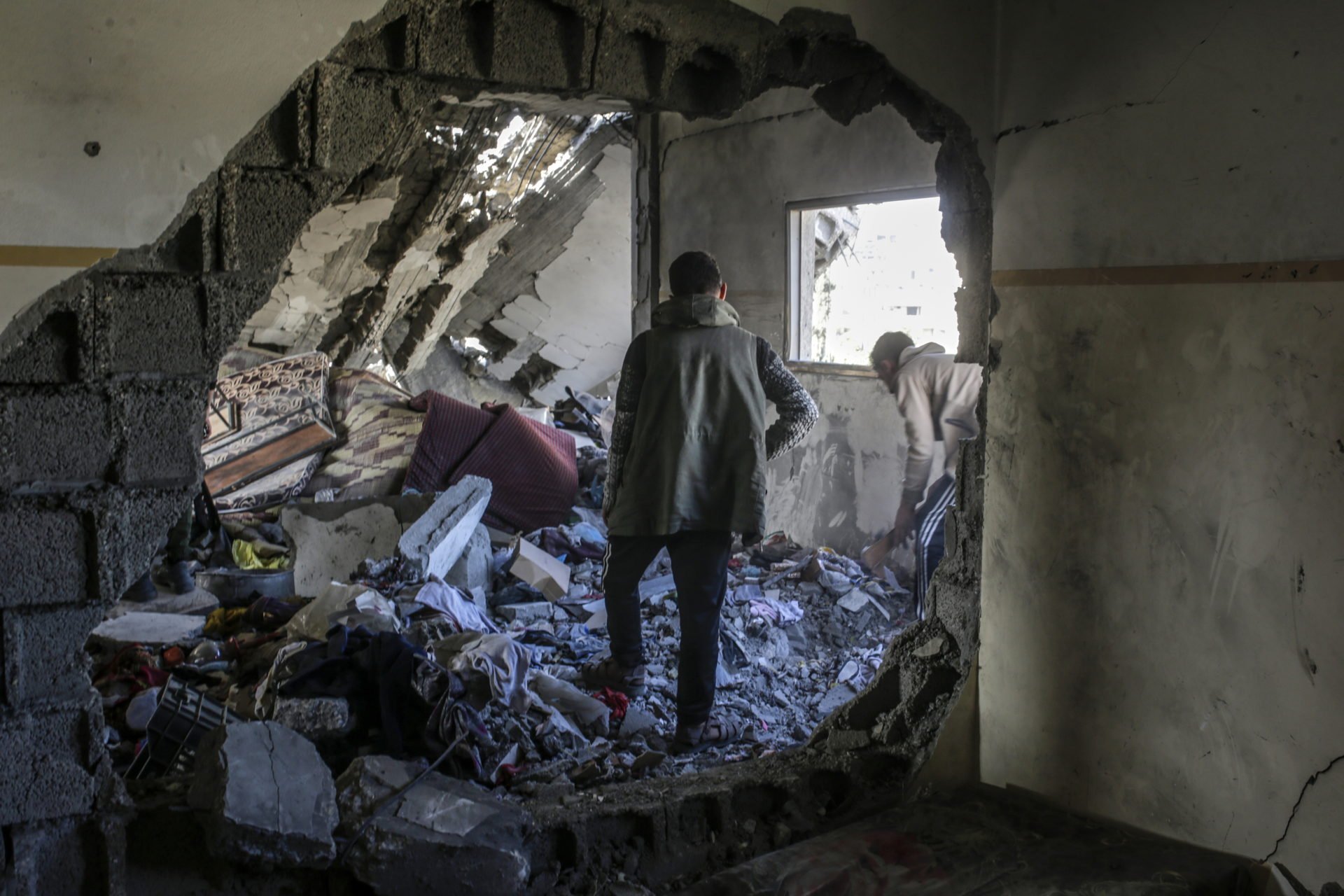
The death toll from Israeli strikes on Gaza has risen to 326, the Gaza health ministry said on Tuesday, as Israel resumed major military operations violating a ceasefire agreement that had been in effect since January.
Israeli forces launched widespread aerial bombardment across the Gaza Strip after what Israeli officials described as Hamas’s refusal to release hostages and extend the truce.
Hamas official Sami Abu Zuhri told Reuters that U.S. statements blaming Hamas were “an attempt to sidestep the facts.” Abu Zuhri added that White House statements about prior U.S.-Israeli consultations made the Trump administration “complicit” in the escalation.
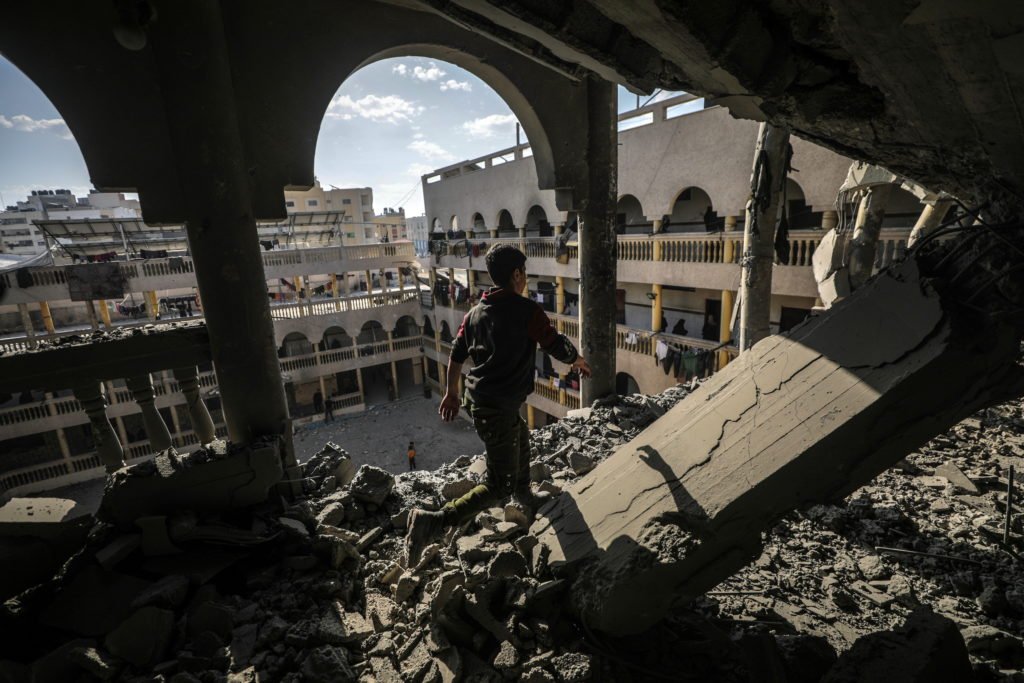
The Israeli military issued evacuation orders for several Gaza neighbourhoods including Beit Hanoun, Khirbet Khuza’a, Abasan al-Kabira and Abasan al-Jadida, according to Israeli army spokesperson Avichay Adraee.
Palestinian witnesses told Reuters they saw Israeli tanks shelling areas in Rafah in southern Gaza, forcing many families who had returned to their homes after the January ceasefire to flee northward to Khan Younis.
In a statement posted on social media, Israeli Prime Minister Benjamin Netanyahu and Defense Minister Israel Katz said they had “instructed the IDF to act with force against the Hamas terrorist organisation” due to “the lack of any movement in negotiations for the release of our hostages due to Hamas’s rejectionist stance.”
The Israeli military said the strikes would continue “for as long as necessary” and could extend beyond air operations, suggesting ground forces might resume fighting. The attacks were more extensive than the limited drone strikes Israel has conducted in recent weeks.
Medical facilities reported overwhelming casualties. The Palestine Red Crescent Society said its teams dealt with 86 killed and 134 wounded, while others arrived at hospitals by private vehicles. Officials from three hospitals reported receiving approximately 85 dead, with authorities separately reporting 16 members of one family killed in Rafah.
A White House spokesperson said Israel had consulted President Donald Trump’s administration before carrying out the strikes, stating: “Hamas could have released hostages to extend the ceasefire but instead chose refusal and war.”
The January ceasefire agreement, which lasted 15 months, had included provisions for a phased Israeli withdrawal from central Gaza, the return of displaced Palestinians to northern Gaza, and guaranteed humanitarian aid deliveries of 600 trucks daily. The deal had facilitated the release of hostages held by Hamas in exchange for Palestinian detainees, with Qatar, Egypt and the United States serving as guarantors.
Read more:

