


Europe is moving to strengthen its defences against a growing range of threats to democratic life, from foreign interference and disinformation to cyberattacks, deepfakes and attempts to manipulate elections.
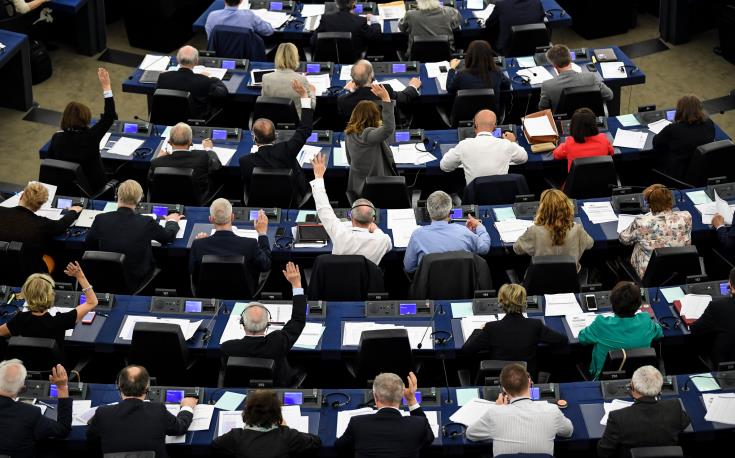
Today in Strasbourg, the European Parliament took the next political step, as MEPs voted in favour of the initiative report drawn up by the Parliament’s Special Committee on the European Democracy Shield, led by rapporteur Tomas Tobé of the EPP, with 420 votes in favour, 220 against and 26 abstentions.
The committee adopted its recommendations on 23 June by 20 votes to 9, with two abstentions, and Parliament has now endorsed its position.
European Parliament President Roberta Metsola stated, “Today we voted for a strong mandate outlining how Europe should respond to all these recent and new threats.”
“With this report the Parliament is pushing against threats to our democracy, such as Russia and these are absolute necessities to defend our borders at a time that so many threats aim to undermine our sovereignity. Today we stand stronger,” she added.
The report calls for the European Centre for Democratic Resilience to be established through a binding legal act, with its own budget and participation from all EU member states.
It also proposes treating electoral infrastructure as critical infrastructure, strengthening the European Cooperation Network on Elections, requiring faster action by online platforms against election interference and bot-driven campaigns, and tackling malicious deepfakes and fraudulent political advertising. The committee identifies Russia as the primary external hybrid threat, while also pointing to activity by Belarus, China, Iran and North Korea.
Beyond foreign interference, the Parliament’s proposals include greater protection for journalists, independent media and civil society, expanded media-literacy programmes, safeguards for female political candidates and reducing European dependence on foreign-controlled technologies.
In the subsequent press conference rapporteur Tomas Tobé said: “We do not accept interference from outside of Europe. We have the means to do so and now need to strengthen these means.”
“I’m happy that this Parliament could deliver this and we are welcoming what we see from the European Commission,” ha added.
Today’s successful vote is not yet the creation of the Democracy Shield itself, but a vote on Parliament’s recommendations for how the EU should build and strengthen it.
Background
The European Democracy Shield (EDS), first announced by European Commission President Ursula von der Leyen in July 2024, is intended to make European societies more resilient to foreign information manipulation and interference while protecting fundamental rights, including freedom of expression.
The European Commission and the EU’s High Representative formally set out the initiative in November 2025, proposing stronger cooperation between governments and institutions, a European network of fact-checkers, tougher action against malicious online campaigns and deepfakes, and the creation of a European Centre for Democratic Resilience.
Under Ireland’s current presidency of the Council, establishing and operationalising that centre has become a priority, reflecting a broader focus on security, competitiveness and European values.
Furthermore, the European Democracy Shield is part of a wider EU effort to protect elections and democracy from foreign interference, disinformation and new technologies such as AI.
FIMI (Foreign Information Manipulation and Interference) describes attempts by foreign actors to manipulate public opinion or elections, including through fake accounts, bots and disinformation. The Digital Services Act (DSA) requires major online platforms to address risks such as election interference, while the AI Act introduces rules around AI-generated and manipulated content, including deepfakes.
The Democracy Shield aims to bring these efforts together, creating a more coordinated EU response. In that sense, the Shield is less a single new law than an umbrella for existing tools and new measures designed to make European democracies more resilient.
Read more:

