


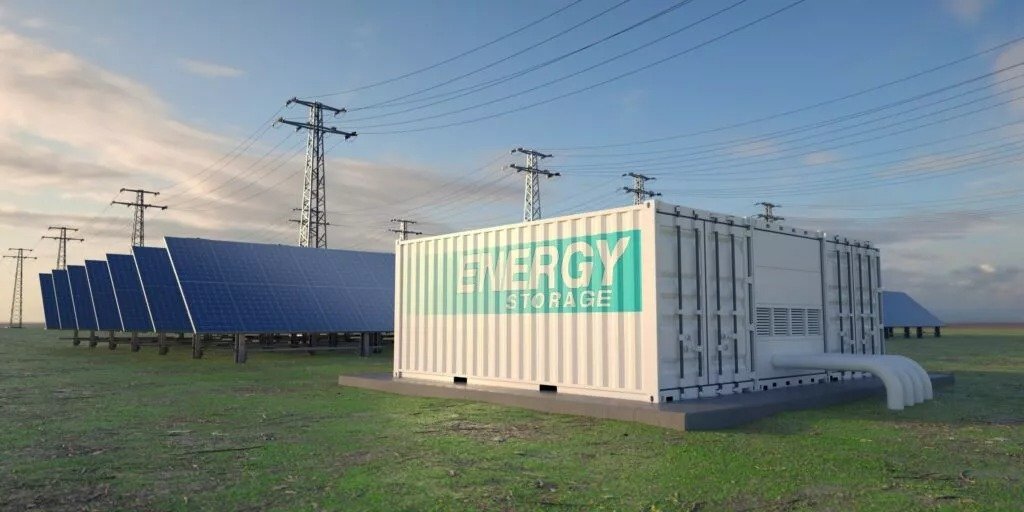
Energy storage infrastructure plans have taken an unexpected turn after private sector opposition derailed the government’s EU-approved initiative for centralised power storage systems.
The Ministry of Energy, under the Christodoulides administration, had initially secured a special exemption from the European Commission to allow the Transmission System Operator (TSOC) to manage centralised electricity storage systems.
This derogation, specifically naming the Republic of Cyprus, was published in the EU Official Journal and would have enabled the installation of three central storage systems in collaboration with the Electricity Authority of Cyprus (EAC).
However, private energy sector stakeholders strongly opposed the plan, despite its limited scope of 120-150-200 megawatts, which would have had minimal impact on the competitive electricity market.
The storage systems were intended solely for grid support and frequency stabilisation during emergencies, rather than for commercial energy trading.
Following this resistance, the Energy Ministry has agreed to launch a grant scheme next week for private hybrid storage systems, allowing private photovoltaic parks to store excess electricity for evening sales to consumers.
The ministry has maintained its position on requiring private producers to sell power from their storage systems to EAC Supply through competitive bidding processes, aiming to ensure cost-reflective pricing that could lower average kilowatt-hour costs for all consumers.
These private systems would be supported by government subsidies.
European Commission officials have questioned Cyprus’s delay in implementing the approved centralised storage plan.
At a recent Ministry of Finance meeting, Carsten Rasmussen, the Commission’s official responsible for Cyprus and Greece, expressed strong concerns about the government’s failure to utilise the granted exemption.
Government sources indicate that the centralised storage plan may be revived if private sector proposals fail to offer cost-effective pricing to EAC Supply.

