


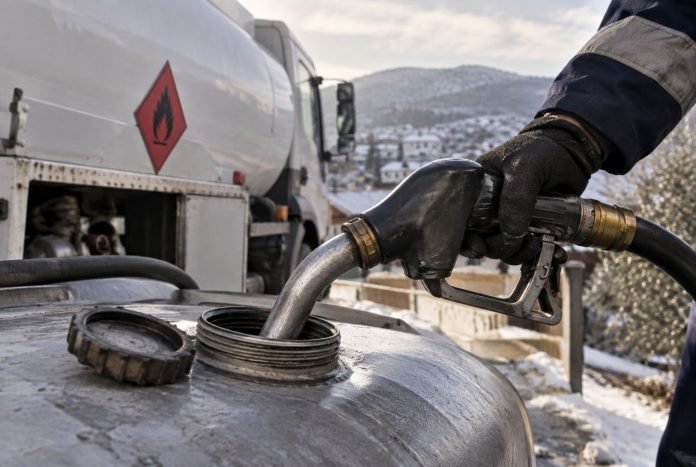
Parliament on Thursday unanimously approved a cut in excise duty on heating oil of 6.39 cents a litre, including VAT, to ease pressure on households and businesses ahead of winter as oil prices rose again.
The reduction took effect at midnight and will run until April 30, 2027. It is expected to cost the state 5.2 million euros.
Finance Minister Makis Keravnos has already asked the European Commission for a derogation from EU rules that would allow the excise duty on heating oil to be cut to zero.
The bill passed by 44 votes to none, but parties were divided over whether further measures are needed.
AKEL general secretary Stefanos Stefanou challenged arguments about cheap fuel, saying households depend on their private cars and have limited transport options. He repeated his party’s proposal for an emergency windfall tax.
DISY called for long-term planning and a holistic approach to high prices and inflationary pressures. Its parliament member Savia Orphanidou said resources needed to be redistributed, with priority given to the middle class and low-income pensioners.
DIKO parliament member Chrysis Pantelides voiced concern about the state of economies, saying wars had left them in a constant spiral with no end in sight. He backed measures, but with prudence.
Marios Pelekanos of ELAM welcomed the measures already taken but said the government needed to do more for vulnerable groups and pensioners.
The debate on state intervention and support also turned to economic philosophy. Adamos Aspris of DIKO cited Adam Smith in warning of the risks of misguided measures and of exhausting fiscal reserves.
ALMA leader Odysseas Michaelides countered by citing John Maynard Keynes, arguing that later economic theories had overturned Smith’s view that markets regulate themselves. “Those who believe in Adam Smith are 250 years behind,” he said.
Aspris replied that the core philosophy on state intervention remained unchanged, adding that many theories had been overturned, including that of Karl Marx, who proposed “nationalising everything”.
On international markets on Thursday, Brent crude opened at 110.04 dollars and rose above 112.5 dollars a barrel during the session.
Analysts attributed the rise to escalating conflict in the Middle East, where new Houthi attacks on facilities in Saudi Arabia and strikes on tankers in the Strait of Hormuz heightened investor concern about further disruption to oil production and transport.

