


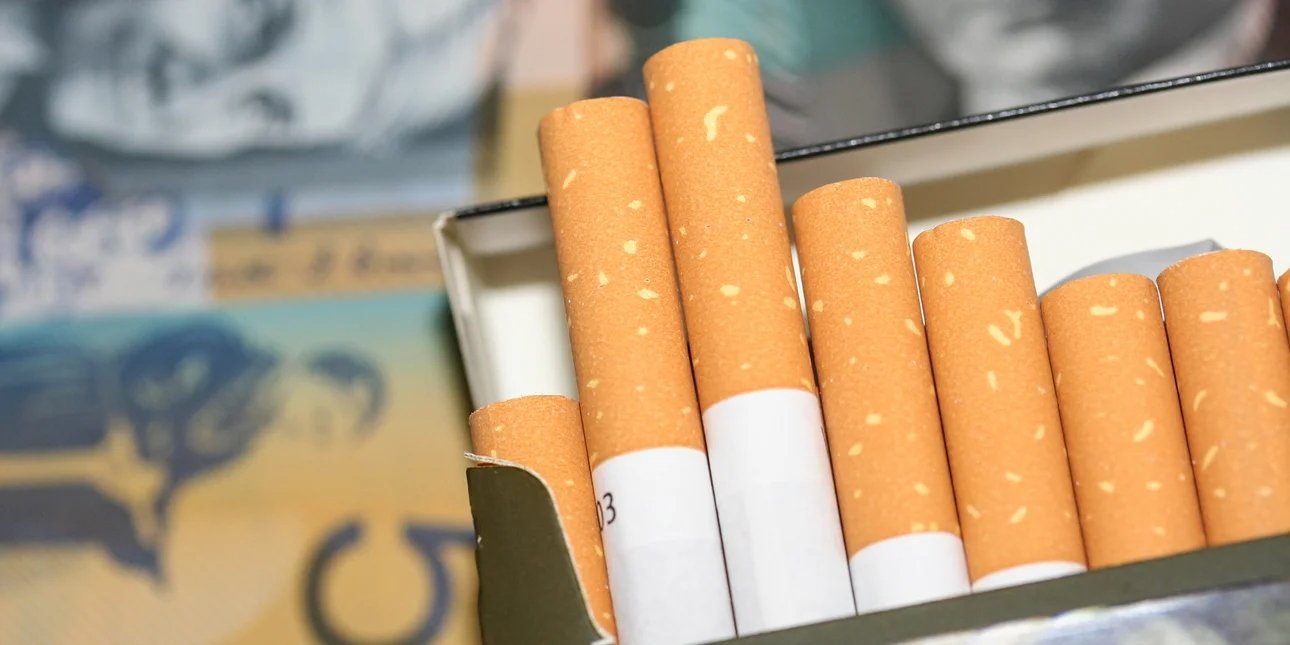
A Cyprus-backed proposal to more than double the minimum EU excise duty on cigarettes and tobacco was blocked by a Malta veto at a meeting of EU finance ministers on Monday. The compromise, put forward by the Irish presidency, built on a proposal made by Cyprus during its presidency of the Council of the EU.
Finance Minister Makis Keravnos said after the meeting that the proposal was balanced because it respected the sensitivities of some member states. Cyprus and nine other member states had secured a transitional grace period, giving them until 2036 to apply the higher taxes.
The proposal provides for a gradual increase in the minimum excise duty on cigarettes and tobacco from 90 euros to 200 euros, and in the tax on heated tobacco products from 60 euros per thousand units in 2028 to 80 euros per thousand from 2032.
Why the deal failed
Malta’s finance minister confirmed that his country had vetoed the final compromise. Malta raised concerns that it would limit national flexibility and strongly disagreed with the size of the increase.
Before the veto, Maltese Prime Minister Robert Abela intervened personally, holding talks with the Irish prime minister to explain his country’s objections, according to the Times of Malta.
Irish Finance Minister Simon Harris expressed regret that no agreement had been reached and pledged to keep working towards a solution.
Sweden also objected. Swedish media focused on a dispute with Finland over nicotine pouches, reporting that Sweden was seeking to block a tax increase on the products but was running into Finnish opposition.
The European agency 2EU Brussels, however, reported that a compromise had been proposed to Sweden under which nicotine pouches could be brought into the EU tax framework, with the minimum tax rate set at a later stage.
Other decisions
At the Eurogroup, President Kyriakos Pierrakakis said eurozone inflation rose to 4 per cent in October and European natural gas prices remained about three times their pre-war level. Ministers again acknowledged the seriousness of high energy prices but did not agree on specific measures to bring them down.
Ecofin also approved an extension of the escape clause for Italy’s defence and energy security, giving Italy fiscal room of up to 0.3 per cent of GDP for energy security projects in 2027 and 2028, on top of the corresponding margin for defence.

