


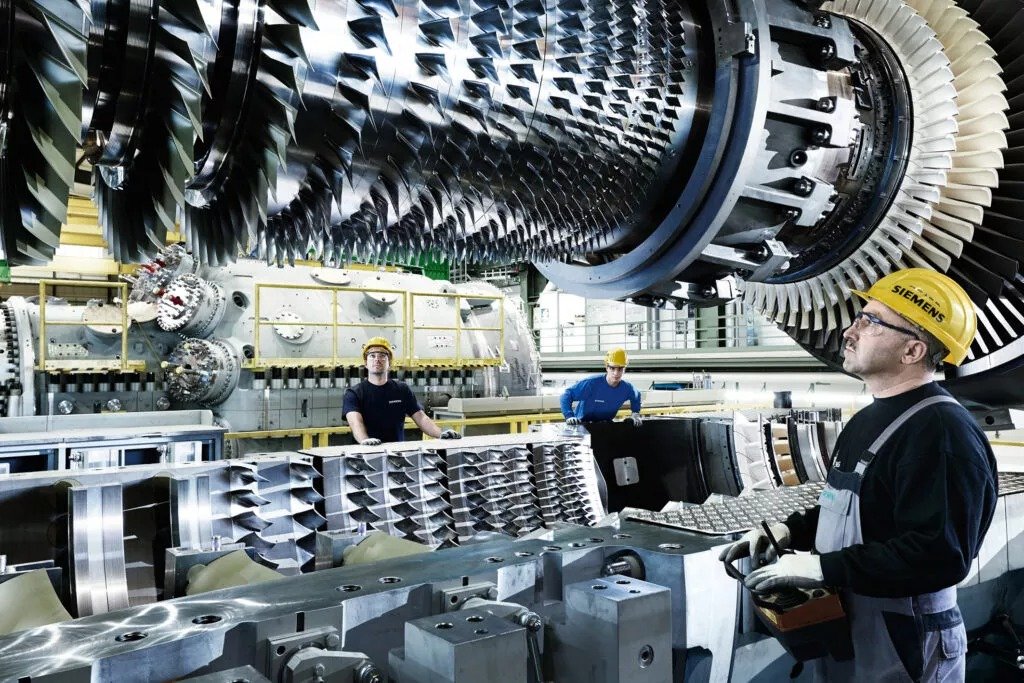
The Energy Ministry has approached the European Commission’s Competition Authority for approval to install two emergency gas turbines, valued at approximately 140 million euros, amid growing concerns over future electricity supply reliability.
The ministry aims to implement a cost-sharing mechanism across all electricity consumers for the 80-megawatt capacity turbines at the Dhekelia power station, which would replace aging steam boilers by 2029, when the current EU operational exemption expires.
The state-owned Electricity Authority of Cyprus (EAC) has expressed reluctance to bear the entire cost alone, citing concerns about economic viability.
The authority’s external consultants and technical experts argue the generators are not financially feasible given the impending competitive market and increased solar power penetration.
Only two contractors, Greek firms TERNA SA and AVAX SA, submitted bids in the tender that closed on December 12.
TERNA offered approximately 147 million euros, while AVAX proposed 138.5 million euros for Siemens turbines. TERNA submitted an additional bid featuring General Electric turbines slightly below 140 million euros.
The bids significantly exceeded EAC’s initial budget estimate of 80-90 million euros. Officials are now considering cancelling the tender and launching a new international open bid to attract more competitive offers.
Supply concerns are expected to intensify by 2026-2027, coinciding with the planned introduction of natural gas.
Power units will require extended shutdowns for technical modifications to accommodate the new fuel source, potentially straining the grid’s conventional energy capacity.
The Regulatory Authority (CERA) and Transmission System Operator are preparing a report on supply adequacy.
Initial challenges are anticipated this summer, particularly if high temperatures coincide with technical failures, with more severe issues projected for 2026-2027.
Further delays in decision-making could significantly impact power supply and system stability during peak demand periods from 2026 through 2028, particularly affecting the southeastern regions, including parts of Nicosia, Larnaca, and free Famagusta areas.
Read more:

