


Cyprus has gained substantial advantages from the European Union’s Cohesion Policy, with further benefits anticipated upon the completion of the ‘Thalia 2021-2027’ programme.
This initiative is set to positively impact the country’s GDP, projected to rise by approximately 5.9% and to create around 8,500 new jobs.
By EU law, nations confronting ‘natural and permanent obstacles’ qualify for funding through its Cohesion Policy.
Cyprus was the first to achieve full absorption capacity and the first to sign a partnership agreement with the European Commission in July 2022.
The total budget for the programme, spanning 2021 to 2027, encompasses a variety of investments in both the public and wider public sectors, alongside several grant schemes, amounting to €1.81 billion. Of this, €969 million is derived from the EU’s Cohesion Policy Funds, with the remaining €842 million provided by national contributions.
The programme’s initiatives, some completed and others forthcoming, align with policies aimed at boosting economic competitiveness, particularly in research and innovation, digitalisation, entrepreneurship, energy, environment, and local development. It also supports employment, education, and social inclusion.
As the European Elections in June approach, set to shape the composition of the new European Parliament, it is important to emphasise the role of this body.
The European Parliament is instrumental in approving the EU budget, with the European Commission submitting a draft annual budget for consideration.
Notably, the European Parliament exercises democratic oversight over the Commission, which is accountable to the Parliament and regularly reports to it, including through annual reports on EU activities and budget execution.
The process begins with the European Commission presenting a draft annual budget, followed by negotiations between the Parliament and the Council, who must agree on the budget as equal partners.
This process guarantees transparency and accountability in the EU’s financial operations.
Notable projects within the programme include:
- Extension of the Land Information System
- Sustainable Development Plan for Akamas National Forest Park
- Implementation of a ‘Pay as You Throw (PAYT)’ system with prepaid bags for waste disposal
- Construction of the Nicosia Ring Road, providing a peripheral motorway for the capital
- Restructuring of Social Welfare Services for enhanced social protection
Insights into key projects
Creation of a green space and leisure area at the Old GSP Stadium

The project aims to transform the Old GSP Stadium into an accessible green area in the city centre, featuring an outdoor amphitheatre, multi-purpose hall, cafés, shops, and two underground parking levels connected to the public bus network. The design echoes the stadium’s original shape, with green-roofed constructions resembling old stands. With a budget of €22.6 million, 60% funded by the EU, the project enhances the urban environment and promotes sustainable urban mobility through the ‘Park & Ride’ service.
‘Save – Upgrade Homes’ grant scheme

This scheme focuses on significantly improving the energy efficiency of existing homes, including the adoption of renewable energy sources. It supports investments in new equipment and materials, such as thermal insulation, window frame replacement, shading systems, and technical systems like solar panels and photovoltaics. With a budget of €70 million, it provides grants for various energy-saving measures.
Flood protection works in Limassol
With a budget of €20 million, this project entails the construction of a 20.8-kilometre stormwater drainage system. Part of the Limassol Sewerage Board’s (SBLA) comprehensive flood protection plan, it aims to address flooding issues across Limassol’s five municipalities (Limassol, Agios Athanasios, Kato Polemidia, Mesa Geitonia, and Germasogeia), predominantly on public roads.
Upgrading and electrification of public transport
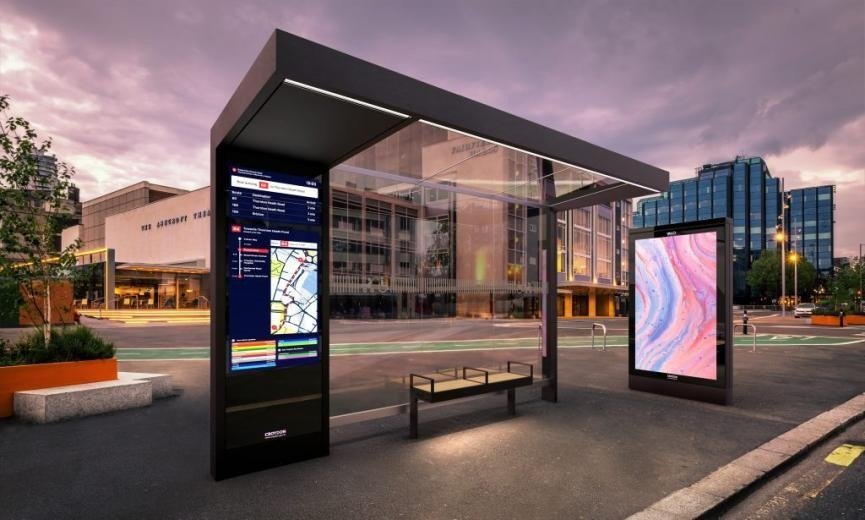
This €50 million project involves upgrading infrastructure and gradually transitioning to electric public transport fleets. It includes eco-friendly electricity generation and ensuring multimodal transport. New bus stops will offer weather protection, information screens, smart lighting, Wi-Fi, and mobile charging facilities, with special design considerations for accessibility and audio announcements for bus arrivals.
Modernising education
DRAS.E.+ actions
The ‘School and Social Inclusion Actions+ (DRAS.E.+) programme’, with a €60 million budget, aims to enhance Cyprus’s educational system through targeted programmes. Launched in the 2021-22 school year, it addresses challenges such as migration and the pandemic’s impact on education.
CUT Campus in Paphos

The establishment of the Cyprus University of Technology (CUT) Campus in Paphos aims to revitalise the region, bridge education and job market needs, and bolster local tourism businesses with skilled personnel. Strengthening the student and academic community fosters intellectual, economic, and social development.
Childcare and education subsidy scheme
With a €27 million budget, this scheme supports families by subsidising childcare services for children up to four years old through direct payments to nurseries.
‘Evagoras’ System
This €2.9 million project aims to develop the necessary infrastructure for unified computerisation and e-governance services for Cyprus’s municipalities. It involves designing a flexible technological framework to enhance process automation and information management.
Read more:

