


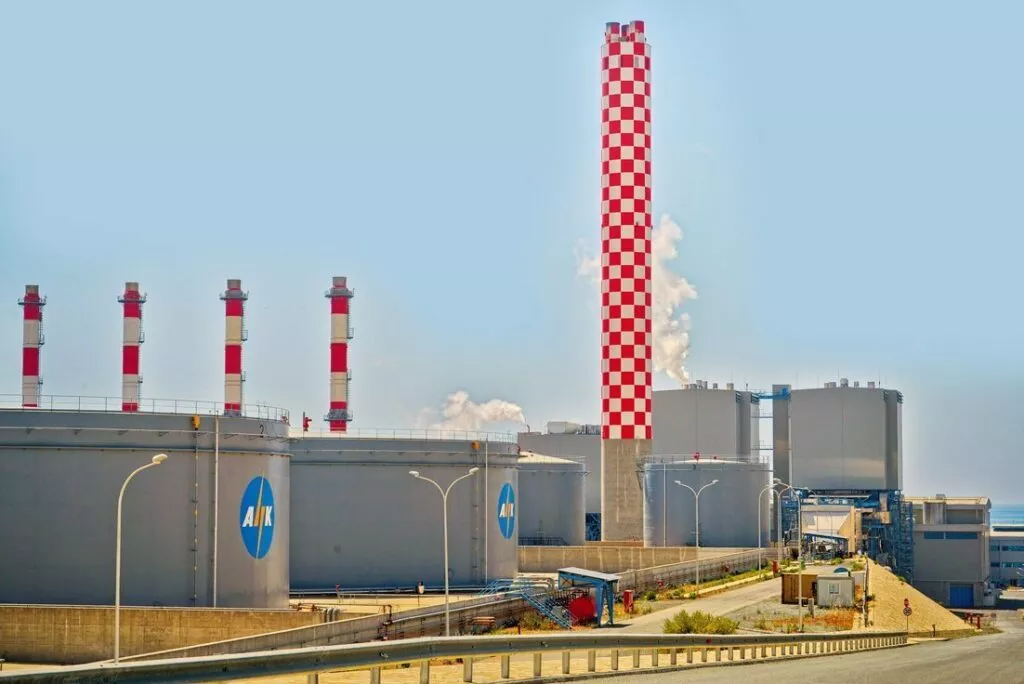
Cyprus faces a serious risk of electricity shortages this summer, the head of the Electricity Authority of Cyprus (EAC) staff said Monday, citing infrastructure delays and rising demand from new desalination plants.
Marios Pappoutis, president of EAC’s Scientific Personnel Union, warned during a radio interview on CyBC that significant delays in infrastructure projects have created a precarious situation for power supply.
“There is major delay in implementing infrastructure projects,” Pappoutis said, highlighting postponements in natural gas delivery, upgrades to the Dhekelia power station, and substation storage installations. These setbacks have left the island’s electricity supply “marginally adequate to questionable” for summer 2025 and beyond.
The union leader stated that delays in implementing additional production capacity decisions, which he said were not the fault of EAC, “have unfortunately brought us to a tragic situation.”
According to information obtained by Phileleftheros, although authorities have not publicly acknowledged the risk of power cuts this summer, technical experts at both EAC and the Transmission System Operator have expressed concerns about the significant gap between maximum generation capacity and expected demand, particularly if major generating units experience breakdowns.
This capacity deficit currently stands at approximately 30 megawatts. The government’s decision to install 13 desalination units at the Moni power station site will increase required capacity by an additional 10-13 megawatts on a 24-hour basis, heightening concerns among technical experts about potential periodic disconnections, especially during hours when photovoltaic systems are not producing.
Pappoutis also expressed concern about the EAC board’s apparent decision to accept President Christodoulides’ recommendation not to impose previously approved 9% rate increases needed to recover infrastructure investment costs in generation and networks that had been approved by the energy regulator CERA.
“This is the third time under the current administration that EAC has been prevented from recovering expenses approved by RAEK,” Pappoutis said, questioning whether this obstruction was deliberate. He warned that preventing cost recovery “creates financial deficits” for the organisation and undermines its stable operation.
Pappoutis confirmed that union representatives have requested urgent briefings from EAC management about the authority’s actual financial situation and the position of its technical experts regarding cost recovery. The unions expect to receive this information within the week, after which they will evaluate it and decide on their response.
Read more:

