


Cyprus is taking steps to expand its desalination capacity in response to growing water scarcity concerns, with plans that could more than double current production capacity by 2026.
The Water Development Department (WDD) is evaluating over 50 proposals received following a January tender seeking interest in floating desalination units and additional land-based facilities, according to government sources.
The evaluation process prioritises solutions that can deliver desalinated water as quickly as possible, ideally by 2025 or early 2026 at the latest. However, early assessments raise substantial concerns about cost efficiency.
According to reliable sources, one specific proposal for renting a floating desalination unit, operational within nine months of contract signing, estimates production costs at €6 per cubic meter—more than double the current €2 per cubic meter cost of existing land-based facilities.
This significant price difference raises serious questions about the economic viability of such solutions, particularly given budgetary constraints and the need for efficient resource management.
The WDD has meanwhile extended the submission deadline for proposals for a mobile desalination unit in Kissonerga to March 26, 2025.
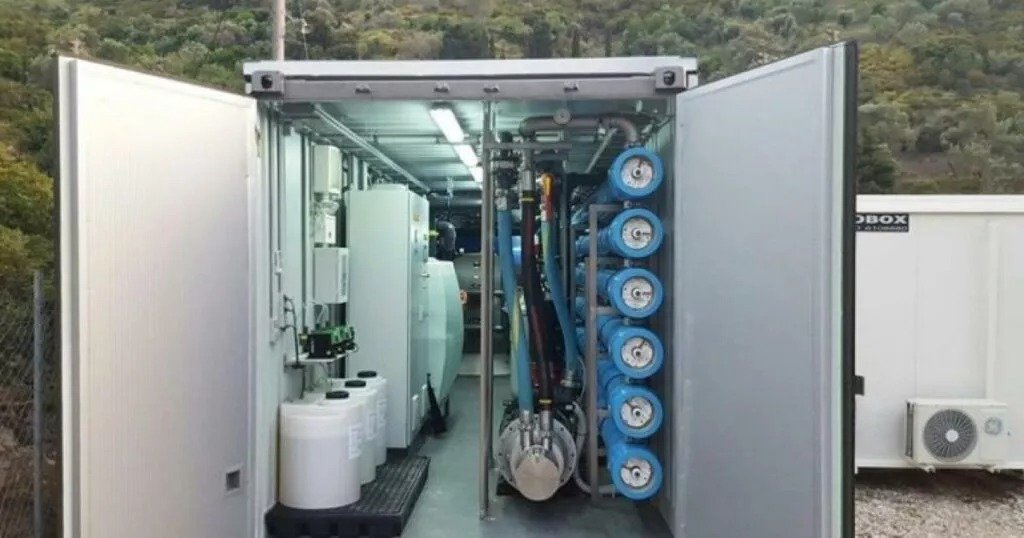
This unit, with a 10,000 cubic meters daily capacity, is prioritized following the destruction of the Paphos desalination plant by fire. The contractor must make it operational within seven months of signing, with financial incentives provided for earlier completion.
Three additional mobile units are in the procurement pipeline. The Garyllis unit in Limassol was tendered yesterday with an estimated cost of €9 million and a bid deadline of April 11.
Two more units in Limassol are expected to be tendered in early April, pending necessary approvals, with operations anticipated to begin in early 2026.
From the five desalination plants currently in operation, there is capacity to produce 235,000 cubic meters of drinking water per day.
With the completion of two additional desalination plants planned, combined with four mobile units, production will reach 510,000 cubic meters per day.
This expanded capacity would cover 100% of drinking water needs for the coming decades and allow reservoir water to be used almost exclusively for irrigation purposes.
The government has also implemented simplified licensing procedures for small private desalination facilities for hotels and farmers.
The tourism ministry and WDD are jointly promoting desalination adoption by hotels, with a November 2024 cabinet decision enabling hotel units to construct and operate small private desalination plants with capacities up to 1,500 cubic meters.
Parallel efforts are underway to address water losses in distribution networks, particularly in areas recently transferred to local authorities or where Water Supply Boards did not previously operate before July 1, 2024.
The WDD is providing technical support and promoting funding for loss reduction programs.
Read more:

