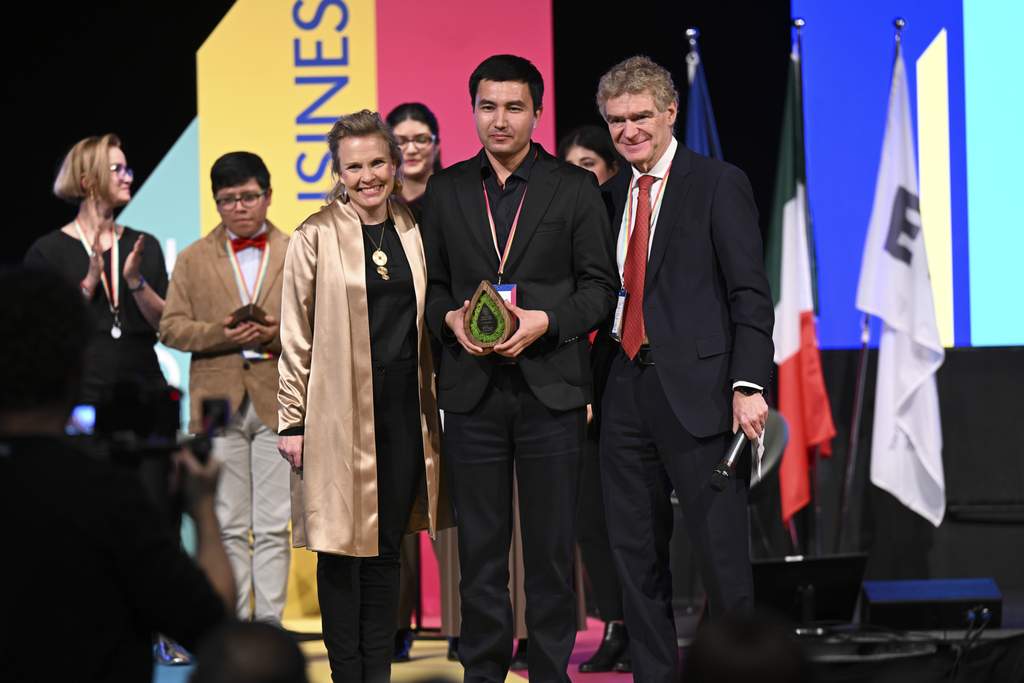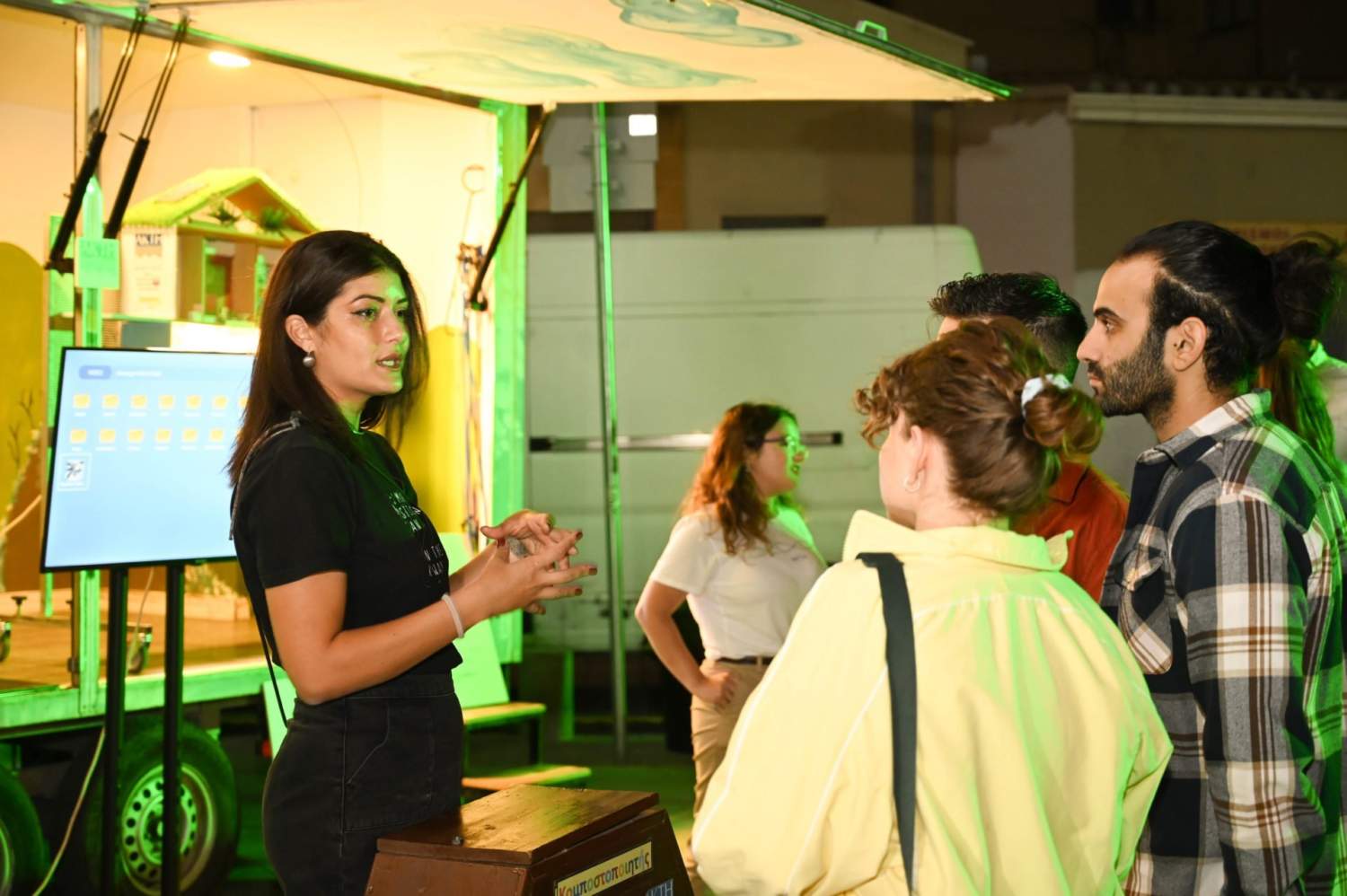
A Cypriot schools programme that turns used cooking oil into biodiesel was among six finalists for the European Training Foundation’s (ETF) Green Skills Award 2026, announced at the Torino Global Skills Summit in Turin on Wednesday. Tiganokinisi, ‘The Frying Pan Movement’, was shortlisted from more than 360 applications from over 90 countries, with the top prize going to Uzbekistan’s Sustainable Future Society.
The ETF said the nationwide environmental education programme, developed by the AKTI Project and Research Centre with the Education Ministry, has grown from four pilot schools to 530. It now covers 95 per cent of schools in Cyprus and engages more than 100,000 students a year. Tiganokinisi became part of the national curriculum in 2018.
Students collect used cooking oil at home, which is filtered and converted into biodiesel. Used cooking oil causes problems around the world, including clogged drains, landfill fires and water contamination. The programme has captured about 10 per cent of the estimated 2,000 tonnes of cooking oil waste produced by Cypriot households each year, according to Xenia Loizidou, chair of AKTI, the environmental NGO that coordinates it.
“We came up with this concept where the schools become hubs of collection,” Loizidou has told Reuters.
Schools receive funding based on how much oil they contribute, and students have a say in how the money is spent on sustainability projects such as solar panels and water-saving systems. Over the past decade, the programme has generated more than 1 million euros for schools and trained 9,500 educators, and has significantly increased household oil recycling, the agency said.
A mobile science laboratory visits schools across the island, and the programme brings circular economy concepts into the curriculum, developing skills such as scientific inquiry, data analysis and environmental advocacy.
Tiganokinisi has previously received awards from the European Commission for social innovation and from Global Education Network Europe (GENE) for excellence in global education.
The winners
Uzbekistan’s Sustainable Future Society began when history teacher Abrorjon Sadriddinov noticed students misusing recycling bins. It uses a seven-step, student-led method adapted from the international Eco-Schools framework, and has expanded to 25 schools, reaching more than 25,000 students, teachers and parents, the ETF said.
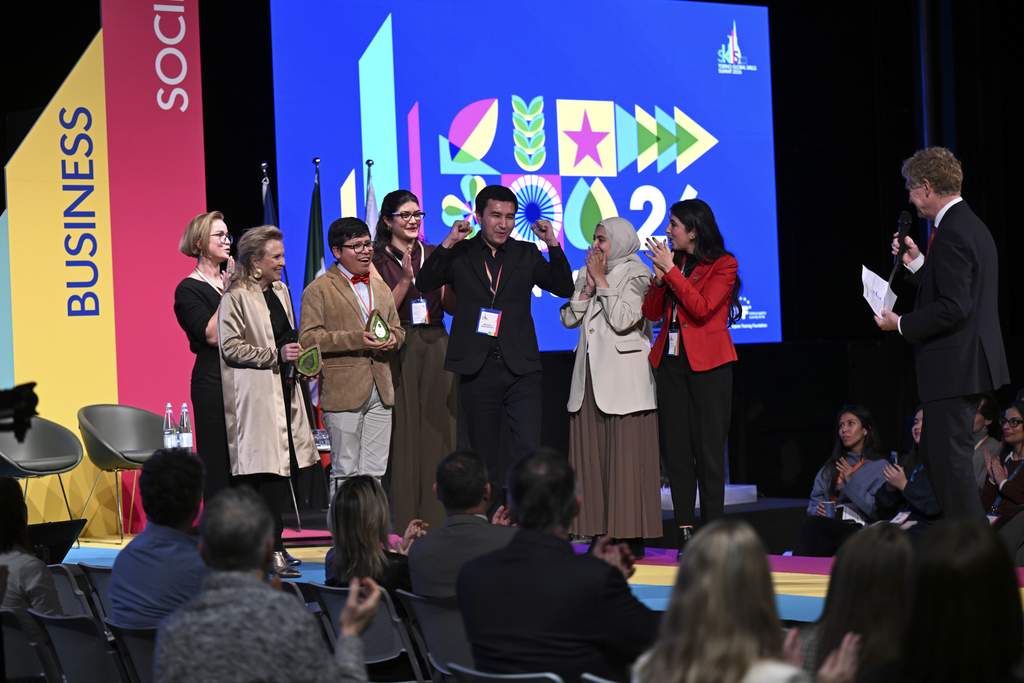
Peru’s Young Glacier Ambassadors, which trains young people from mountain communities in the Cordillera Blanca as citizen scientists and advocates for glacier protection, came second. Nepal’s Doko Recyclers’ Repair Revolution Workshop & Training, which teaches students to repair electronics to reduce e-waste, came third.
The other finalists were Sugar on Top, a circular fashion studio from Bosnia and Herzegovina, and Jordan’s German Energy Academy, which has trained more than 1,200 professionals in renewable energy.
ETF Director Pilvi Torsti said the finalists stood out from 369 applications received from 94 countries. Across continents, she said, the initiatives show that “the green transition is no longer an abstract ambition: it is already well underway”.
Launched in 2021, the Green Skills Award promotes innovative practices supporting circular and carbon-neutral economies. Over six editions, it has received more than 1,700 applications from more than 90 countries. Cyprus’s Yenesis project has been a finalist in a previous edition.
The ETF is the EU agency that supports countries neighbouring the EU in reforming their education, training and labour market systems.