


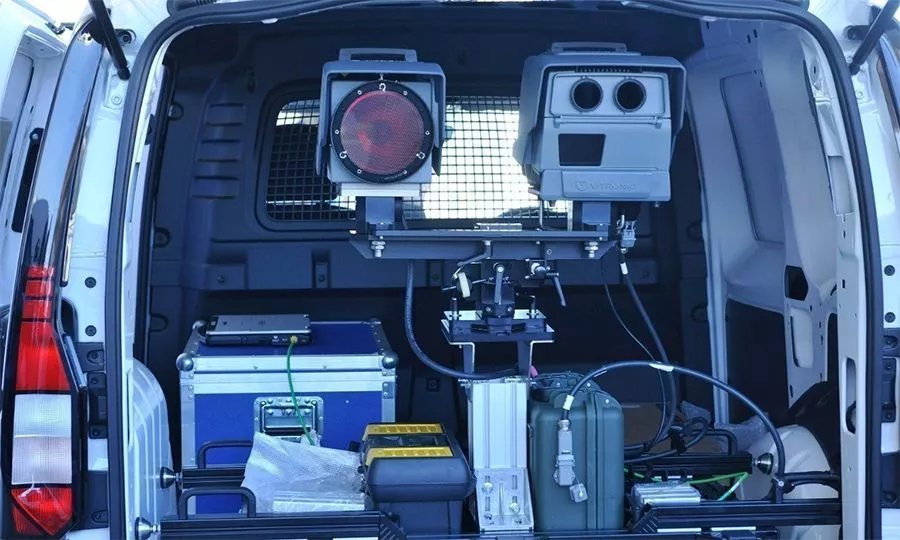
A law proposal would cancel out-of-court traffic camera fines not served within 180 days of the offence, sending offenders to court instead. Police, the Law Office of the Republic and the justice and transport ministries told the House Transport Committee that the change would add to the courts’ workload, raise administrative costs and could affect road safety.
The proposal, by AKEL parliament member Andreas Pasiourtides, would not remove the offender’s criminal liability.
Pasiourtides told the committee that the current system for serving fines from traffic cameras had serious problems, which had repeatedly been tackled with piecemeal fixes. If the police cannot serve a fine within six months, “there is no reason for it to exist”, he argued.
Penalty points
The proposal has a second part, which changes when penalty points take effect. Drivers who pay the fine and accept the points would have them counted from the date of the offence, not from a later date. If a driver does not pay and the case goes to court, the points would be counted from the date of the court’s sentence.
Objections
The Ministry of Justice and Public Order and the Law Office both warned that cancelling the out-of-court option after 180 days would take away a more favourable route for offenders, depriving drivers of the chance to settle without going to court. A ministry representative warned that the proposal could end up burdening offenders, not helping them, and would create extra administrative costs for the police.
Haris Evripidou, director of the Traffic Department at police headquarters, warned that removing the out-of-court option could encourage people to avoid receiving notices. Introducing new rules into procedures that should already be working effectively could create more problems than it solved, he added. Both parts of the proposal would also require changes to the police’s electronic systems for handling fines, raising administrative and financial costs. The Transport Ministry backed the police’s position.
The Law Office also questioned how the law would work in practice. It warned that the change to penalty points could weaken the system’s preventive and deterrent effect, and that some drivers could stay on the roads even though their points meant they should no longer be driving.
Pasiourtides said he intended to press ahead and take the proposal to the House plenary for a vote. He criticised the police, saying they cited higher costs whenever they disagreed with a proposed change.

