


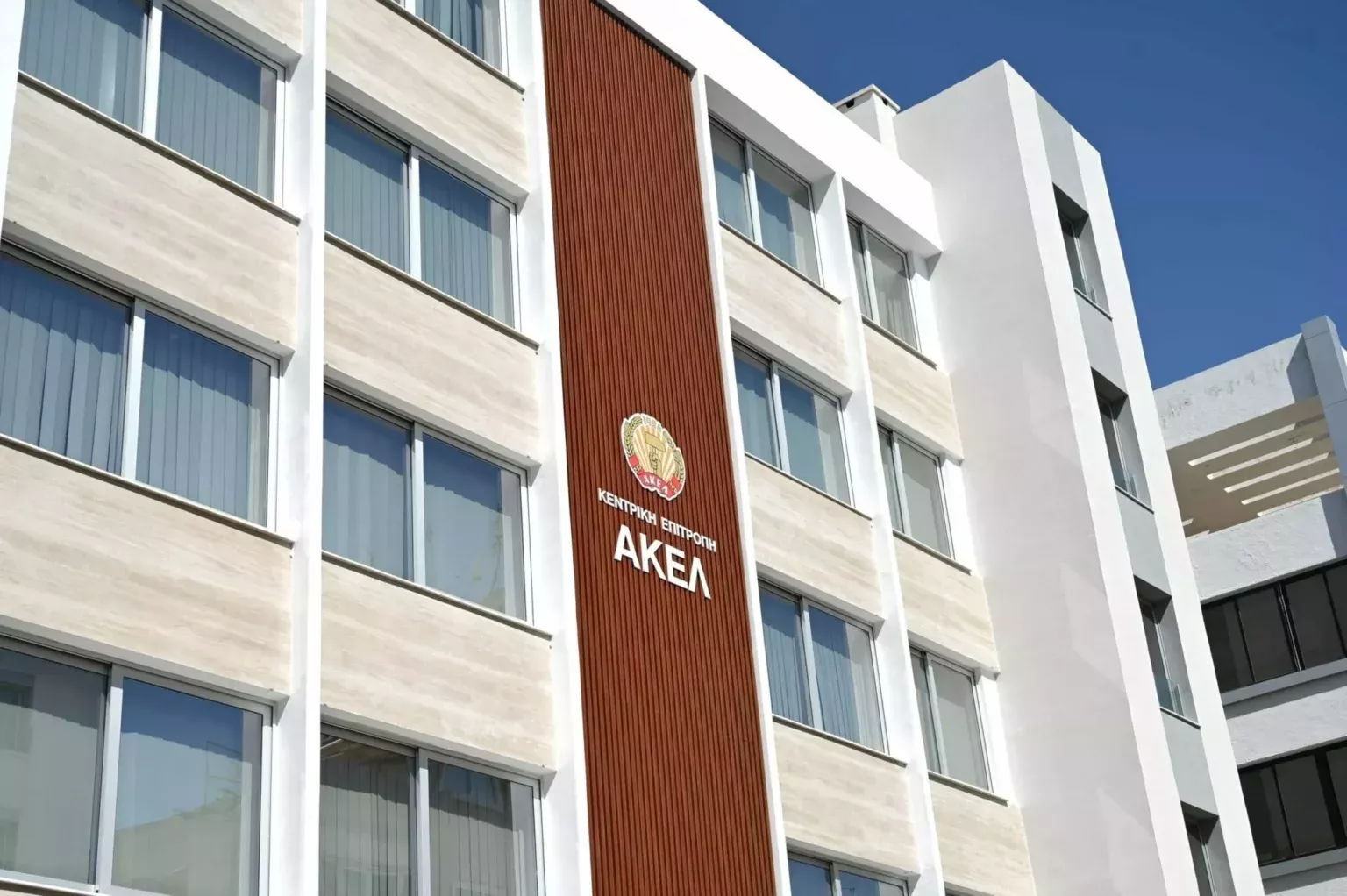
It may be early days for election talk, but let’s not kid ourselves. Nor is it only DISY’s reality show that has dragged us into the… fray already, here in 2026. For months now, with the incumbent president’s candidacy taken as a given, the name-guessing has been in full swing, and not just among huddles of journalists or in newsrooms.
Float a scenario, an idea or a rumour among friends with even a passing interest in politics and the conversation shifts gear, straight to the 2028 presidential election. Before long, talk turns not only to the contenders for the DISY nomination but to the “unknown quantity”: the candidate AKEL will choose for the next contest. Will it be Andreas Mavroyiannis again? Will they go with Tasos Yiasemides? Has Christos Stylianides’s name come up or hasn’t it? Will they dare to pick Stefanos Stefanou, or has the shadow of the Christofias administration put paid for good to any run by the party’s general secretary?
On the latest Philenews politics vidcast, moderated by Phileleftheros journalist Frixos Dalitis, Philenews editor Giorgos Kallinikou and Alpha political analyst and journalist Marina Economidou discussed the latest twists in the political landscape and what is at stake for the government and the parties. One topic was AKEL’s hunt for a candidate. Economidou took a broader view, noting that AKEL is approaching 15 years out of power. In her view, one more election defeat could alter the party’s very identity. “We will no longer be talking about a party of government,” she said, with Dalitis adding that it would then be a “protest” party.
Alliances can, of course, broaden the party’s electoral appeal. With Volt, for example, there is plenty of common ground. The recent flirtation with DIKO is another matter, however (Koulias’s remarks to Loukaides on Mesimeri kai Kati with Christos Michalaros were an absolute treat!), as is talk of a possible tie-up with EDEK. All the more so since Stefanos Stefanou had left the door open to an understanding with DIKO, though he has sounded more guarded lately about the prospects of such a partnership.
Giorgos Kallinikou observed that at the last election the party spent much of the campaign introducing Andreas Mavroyiannis to the wider public, explaining who he is and what he stands for. I would add the time that the candidate himself, party officials and the leadership spent squaring his views with the party line. Crans-Montana above all: Mavroyiannis, then the negotiator, had sat at the same table as Nicos Anastasiades, and the issue kept resurfacing in interviews and debates until the very end of the campaign. At the time, his stance left many questions hanging over what he personally thought of the former president’s share of the blame. The pieces did fall into place, of course, but only after the fact. After the election.
And if it has come to floating Christos Stylianides’s name, the equation gets more complicated still. This is a politician whose long career has spanned different camps, including a spell in Kyriakos Mitsotakis’s government. Will Akel have to spend this campaign too explaining to its voters how someone who served in that particular government can speak for its politics?
So when the choice is framed as one between becoming a “protest party” and competing for power, perhaps we should come at it from another angle. What if the real dilemma is not whether it can return to power, but on what terms and at what political price? Is it really so bad to stay in opposition for another five years, defending its identity, rather than return to government having first stretched out of shape everything that makes it part of the progressive, pro-people, pro-rapprochement camp? Should it not seriously consider a candidate who needs no fresh introduction to the party base? One who will not spend half (or even all) of the campaign explaining past views on the economy, the Cyprus problem, migration, the Palestinian question and foreign policy, trying to bring them even slightly into line with the Left? Be it its general secretary, Stefanos Stefanou, or someone else free of political baggage who clearly embraces the party’s principles and policies.
It would pay whatever price that entails, but stay true, this time, to its principles and to those in the wider progressive camp who have grown tired of compromising on their own convictions every five years and trudging to the ballot box, with heavy hearts, to back it.

