


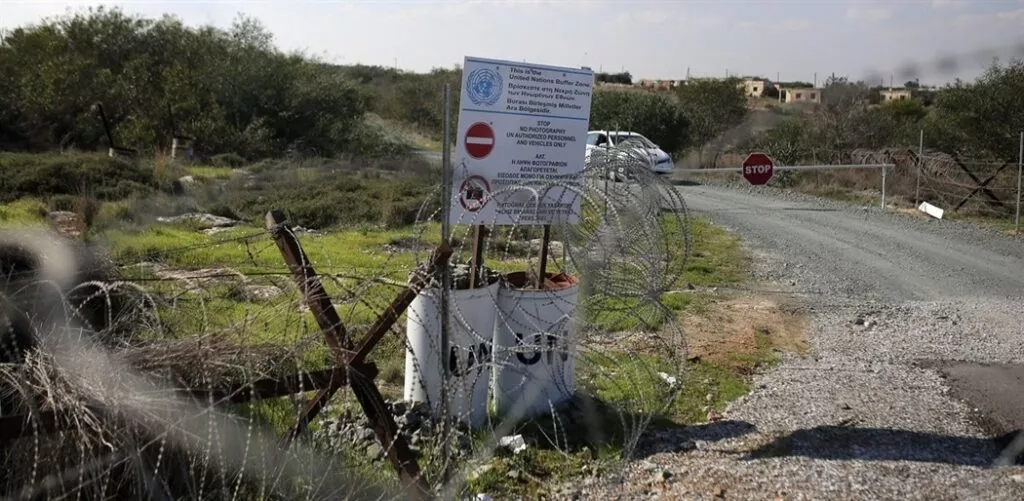
The 19 points President Christodoulides put to the occupation leader and the United Nations link the confidence-building measures to the substance of the Cyprus problem, and they seek to lay the groundwork for negotiations to resume.
Both the United Nations and the Turkish side could use the proposals to take this new effort forward. The package, which Phileleftheros revealed last Sunday, contains nothing that would give the occupying side grounds to reject the whole thing out of hand. Some of the proposals have been adopted since they were tabled and are already being put into practice. We therefore believe there is scope for talks to make headway and for some of the points to be agreed. The package, in other words, was not meant to be adopted wholesale. It was not a “take it or leave it” offer.
Without prejudging what becomes of these proposals, the emphasis should be on initiatives and suggestions that stay within the framework, help clear obstacles and improve the climate. At the same time, they should go to the substance, the very heart, of the Cyprus problem.
Can we be optimistic about how the occupying side will respond? No. Judging by what the Turkish side is saying and how Turkey behaves towards Cyprus, the signs for the way forward are not encouraging. But the occupying power’s negativity does not mean the effort will be abandoned.
After all, there is nothing new about Turkey’s positions; they are long-standing. They were aired again last Sunday, during the celebrations marking the anniversary of the secessionist entity. And we saw Erdogan’s behaviour in Antalya. Even so, we cannot afford to stop trying. The effort must continue, so that sustained momentum and the continued involvement of third parties can push the occupying power into shifting its stance.
Another way to achieve this is to highlight differing interests that can be brought into line. It is no easy undertaking, nor is the outcome assured. But, as we have said, the effort must go on.

