


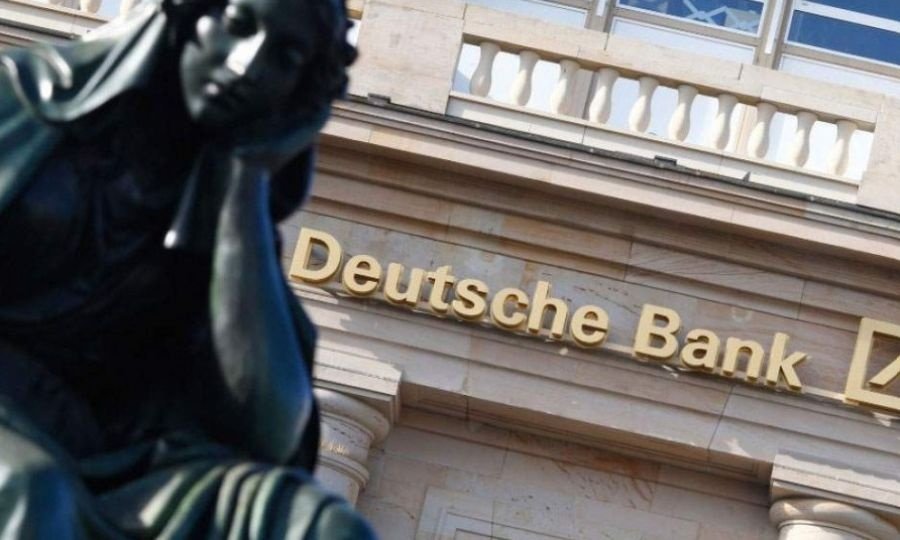
A leak of more than 15 million emails and internal documents from Deutsche Bank points to accounting fraud, money laundering, suspicious transactions and financial ties to Russian oligarchs. German broadcaster ZDF reported that some of the bank’s Russian clients used Cyprus as a “back door” into the European Union.
According to the reports, the bank kept convicted criminals, oligarchs and known fraudsters as clients for years, in some cases despite internal warnings, and repeatedly dismissed internal concerns about them.
According to Der Spiegel, most of the leaked documents come from the bank’s unit dealing with “problematic transactions and sensitive clients”. Staff there recommended whether the bank should start, continue or end business relationships. The documents include a huge volume of internal emails, minutes of supervisory board meetings, confidential reports, compliance files and even logs of employees’ chats.
Whistleblowers sent the data, through a US lawyer, to South African journalist Khadija Sharife and Indian journalist Josy Joseph. The two then shared it with 50 media outlets around the world, including Der Spiegel and ZDF. The resulting international investigation, “Inside Deutsche Bank”, involved 200 journalists. It was coordinated by the South African non-profit Barracuda Media, with support from a Berlin-based data and research centre.
Chief executive
The leaked documents shed new light on chief executive Christian Sewing, who was in theory brought in to end a series of scandals at the bank, according to the reports. They say Sewing instead pushed internally for a greater appetite for risk, repeatedly complained about the compliance department’s recommendations, and concealed problems from shareholders. In a 2017 internal email complaining about the bank’s strict client checks, he wrote: “KYC is breaking the back of our revenue.”
Trump, Epstein and Aldi
The reports also point to accounting tricks and financial statements bordering on fraud, as well as details of the bank’s dealings with Jeffrey Epstein and US President Donald Trump.
According to the reports, the bank courted Trump to win him as a client, but in 2017 mistakenly sent his tax returns to the wrong person without telling him. In the case of Epstein, a convicted sex offender, the bank had identified 600 million dollars in suspicious transactions but took no action. The bank also helped heirs of the Aldi family evade tax, using methods that tax authorities later uncovered, the reports say.
Missed warnings
According to the leaked documents, an employee reported a suspected money-laundering network in 2020, through which hundreds of millions of euros were estimated to have already flowed. The bank’s control systems had flagged individual problems but had not linked them, and the bank identified the pattern only three years later. “Our systems explicitly failed to detect it,” the manager responsible wrote.
The documents also show that the bank processed thousands of suspicious transactions in Colombia without filing the money-laundering reports it was required to make in Germany. They show how the bank facilitated arms deals, including sales to “problematic” countries. It also continued to manage donation accounts for the far-right Alternative for Germany (AfD), even though the bank’s leadership publicly criticised the party.
Bank’s response
Deutsche Bank said the issues raised in the investigation dated back many years, in some cases up to two decades, and that it had worked with the authorities to resolve many of them.
“We are a different bank today,” it said. The bank said it had invested in internal controls, strengthened risk management and fundamentally changed its corporate culture. It pointed to record profits last year and in recent quarters, and to reforms between 2019 and 2025 that cost 7 billion euros. It declined to comment on possible former or current client relationships.

