


When the State offers language courses to non-native residents, it does so with a clear policy objective: to foster social cohesion, assist civic participation, and enable economic independence. Yet a recent situation that was brought to our attention involving state-run Greek language lessons in Cyprus indicates a significant disconnect between integration goals and administrative reality.
At the centre of the issue is a simple conflict. Mothers attending courses at the State Institutes of Further Education (KIE) have been barred from bringing their young children into classrooms. In one instance, a foreign-speaking mother who spoke to en.philenews and who is pregnant with her second child and lacking alternative care, asked if her toddler could sit in class so she could continue learning. She was turned away.
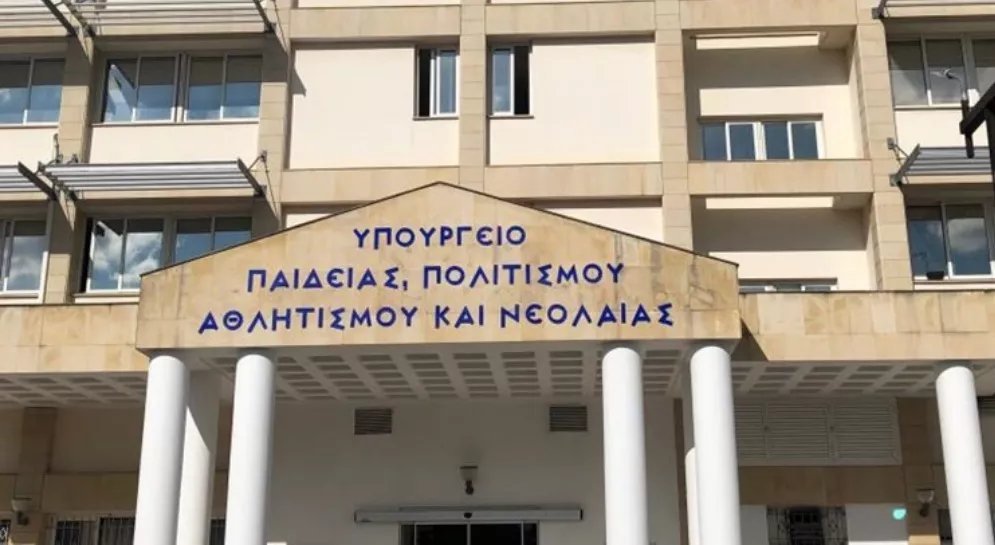
The Ministry of Education’s position rests on procedural grounds, which one could agree make sense on the surface. Regulations dating back to 1991 prohibit un-enrolled minors from adult classrooms, citing health and safety concerns, insurance liability, and the duty of care. The Ministry also referred to UN conventions on child protection, arguing that adult learning environments are unsuitable for children and that supervision lies outside teachers’ official duties. Fair enough.
However, while regulatory compliance and child welfare are valid administrative concerns, enforcing these rules in isolation creates a structural barrier. Language acquisition is widely recognised as a primary vehicle for integration. By requiring mothers to attend adult-only settings without offering parallel support, the system effectively excludes those who need state provision the most: single mothers, low-income households, and foreign-speaking women who cannot afford private childcare.
State-run evening schools already provide integrated childcare solutions, the irony of this stance becomes clear. In those institutions, children are supervised by qualified carers in separate classrooms while parents attend lessons. The mechanism exists; it simply has not been extended to the KIE framework. As the Ministry representative acknowledged, extending such provisions to language institutes is not an operational impossibility, but a “political decision”.
Gender Equality Commissioner Josie Christodoulou rightly noted that child protection and women’s access to education are not mutually exclusive goals. Practical solutions such as coordinating with local municipal multipurpose centres or establishing dedicated supervision rooms are readily available if administrative bodies cooperate.
If Cyprus is serious about migrant integration and gender equality, policy must reflect the lived realities of vulnerable populations. Relying on 35-year-old regulations to turn away mothers seeking to learn the national language is an unnecessary administrative failure. Aligning the rules with real-world needs requires minimal infrastructure, but it demands political will. Without it, public language courses will remain accessible only to those who can afford the luxury of private or familial support, leaving the most isolated behind.

