


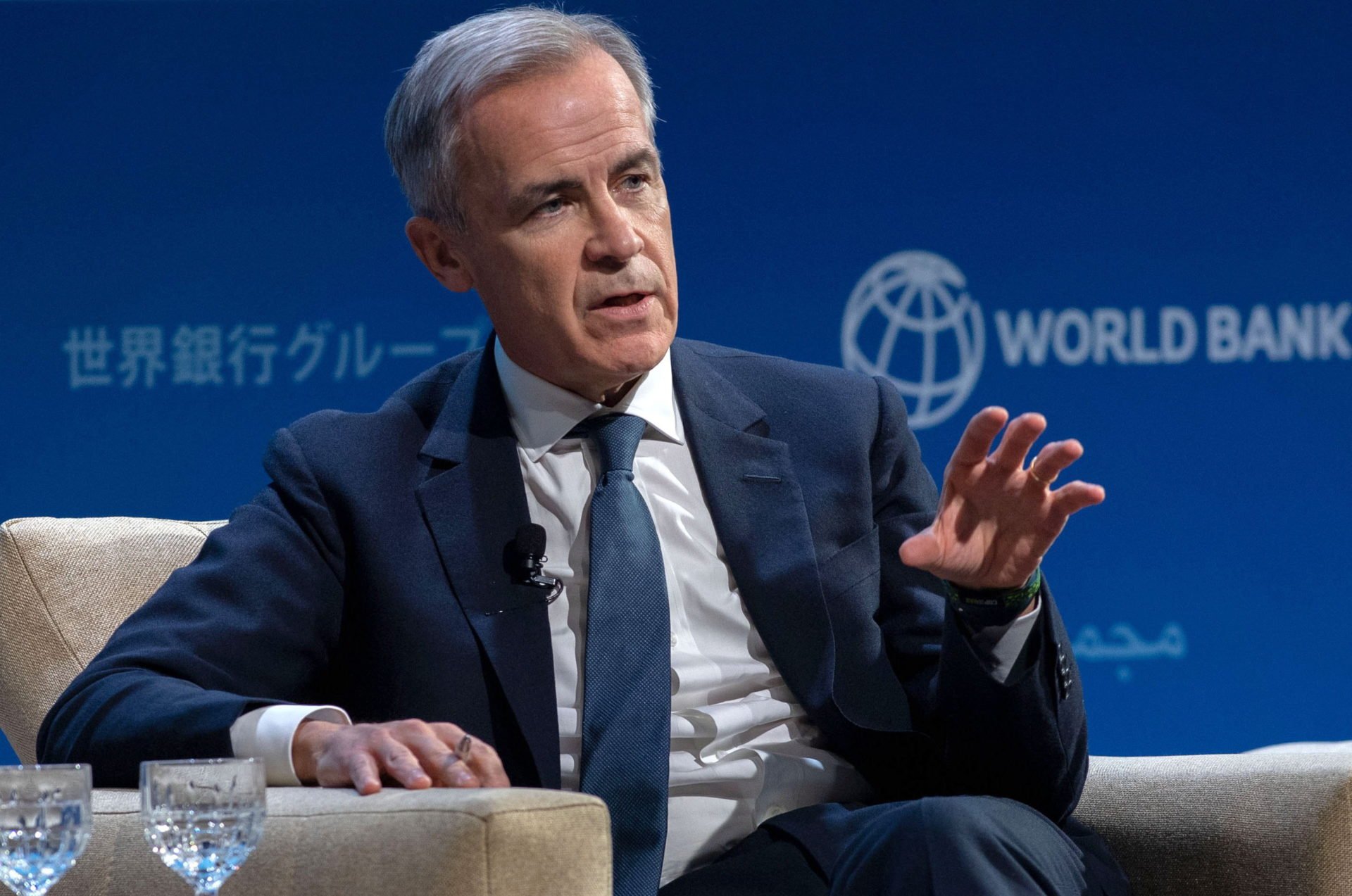
On 29 and 30 October, Canada’s prime minister, Mark Carney, will host European Commission president Ursula von der Leyen and European Council president António Costa for talks on trade, defence, energy, critical minerals, technology and security. The declared ambition is to launch an “Alliance for the Future”, bringing two like-minded economies closer together at a moment when the international order is increasingly shaped by an unstable partner in the United States.
The Montreal summit offers Brussels and Ottawa a chance to build a more independent alliance with a difficult question in hand: can Europe and Canada build a genuinely different model of international cooperation, or will they simply rearrange their dependencies while calling it strategic autonomy?
An association agreement, with a Canadian twist
The EU and Canada signed two major agreements in 2016: the Strategic Partnership Agreement, covering political cooperation, and the Comprehensive Economic and Trade Agreement, better known as CETA.
Provisionally in force since September 2017, CETA removed most tariffs and opened opportunities in goods and services. It has helped deepen commercial ties, although full ratification remains incomplete because some provisions require approval by national and regional parliaments.
What is being discussed in Montreal is a more ambitious layer of cooperation, not Canadian accession to the EU. Von der Leyen raised the prospect of Canada becoming the bloc’s first associate member, potentially linking the two sides more closely on industrial policy, defence, digital regulation, research and economic security.
There is, however, already a retreat from the boldest terminology. According to Reuters’ reporting on the draft declaration, the disputed label has been dropped in favour of “ever closer association”, with further negotiations to follow.
The real test will be whether the leaders establish mechanisms, funding and timetables that survive beyond the current political moment.
Escaping Washington’s shadow
The Canadian economy, which remains deeply dependent on the US market, remains vulnerable to tariffs and political threats from a neighbour that has become increasingly unpredictable. Diversifying towards Europe is no longer simply a commercial opportunity; it becomes a question of sovereignty.
Similarly, the EU cannot credibly claim strategic autonomy while relying on Washington for essential security capabilities, exposing its industries to US trade pressure and allowing Trump’s political decisions to dictate the terms of its economic future.
Under Trump, the EU-US trade deal increasingly resembles a subscription service whose provider can change the terms whenever it feels like it. Europe should not need another tariff threat to recognise the danger, nor should Canada have to wonder whether its largest neighbour regards it as a sovereign country or an inconvenient extension of the American economy.
Closer cooperation could give both sides greater bargaining power. European industrial capacity, regulatory influence and research institutions could complement Canadian resources, energy, universities and technological expertise. Cooperation on critical minerals, semiconductor supply chains and defence production could reduce exposure to external pressure.
The climate problem beneath the handshake
Carney arrives in Europe with a reputation that deserves closer scrutiny. Before entering politics, he was celebrated for warning financial markets about climate risks, including in his influential 2015 speech on the “Tragedy of the Horizon”. His work on climate finance helped establish his international credentials.
However, POLITICO reported on 29 October, that Carney’s government has scrapped the consumer carbon price, abandoned a planned oil and gas emissions cap, weakened elements of the electric-vehicle policy framework and backed further fossil-fuel development. A November 2025 agreement with Alberta also eased clean-electricity rules while opening the way for expanded oil and gas infrastructure.
Nonetheless, Carney’s government maintains that it remains committed to net zero by 2050 and argues that investment in clean energy and economic growth can proceed together.
That is the central contradiction: a leader who once urged financial institutions to take climate risks seriously is now promoting an energy strategy that risks extending the life of fossil-fuel production, according to the detailed Politico report.
The fault lines that could derail the alliance
Climate is only one of several potential obstacles.
The first challenge is turning promises into action. Developing critical minerals requires money, infrastructure and environmental protections. Defence cooperation needs concrete agreements and political support, while closer digital ties will require rules that work for both sides.
The second challenge is China. The draft declaration suggests that the EU and Canada could offer each other better terms if they align their economic security policies. This could strengthen their position, but it also risks copying Washington’s tough approach to Beijing. If the goal is to become less dependent on the US, Europe and Canada must be able to make their own decisions, rather than simply adopting a different set of restrictions.
Then there is Europe itself. Member states have not agreed on the associate-membership concept, while the prospect of electoral gains for nationalist parties could complicate future cooperation. Canada, meanwhile, must persuade its own electorate that closer European ties will deliver tangible benefits rather than diplomatic prestige.
Trade and investment can create jobs and boost growth, but the benefits may not be shared equally. The impact on workers, consumers and local communities will depend on how economic changes are managed. Labour and environmental standards, transparent public investment and measures to support those affected by industrial restructuring will therefore be important to the partnership’s long-term success.
A partnership with long-term potential
Closer cooperation between Europe and Canada could bring economic and political benefits to both sides. Their economies have complementary strengths, and both have an interest in upholding international rules and limiting economic coercion. Existing cooperation on Ukraine, research and defence provides a foundation for deeper ties.
However, their priorities will not always align. Canada’s support for expanding fossil-fuel production, for example, raises questions about how its energy policy fits with the EU’s climate objectives.
The US will remain an important economic and security partner for both sides however, closer EU-Canadian ties could diversify trade, strengthen supply chains and give both sides greater flexibility.
The Montreal summit could provide a starting point, but its success will depend on what follows. New investment, stronger supply chains, closer security cooperation and measurable progress on climate targets will matter more than declarations of intent.
(Sources: European Commission, Politico, Reuters, Bank of England)
Read more:

