


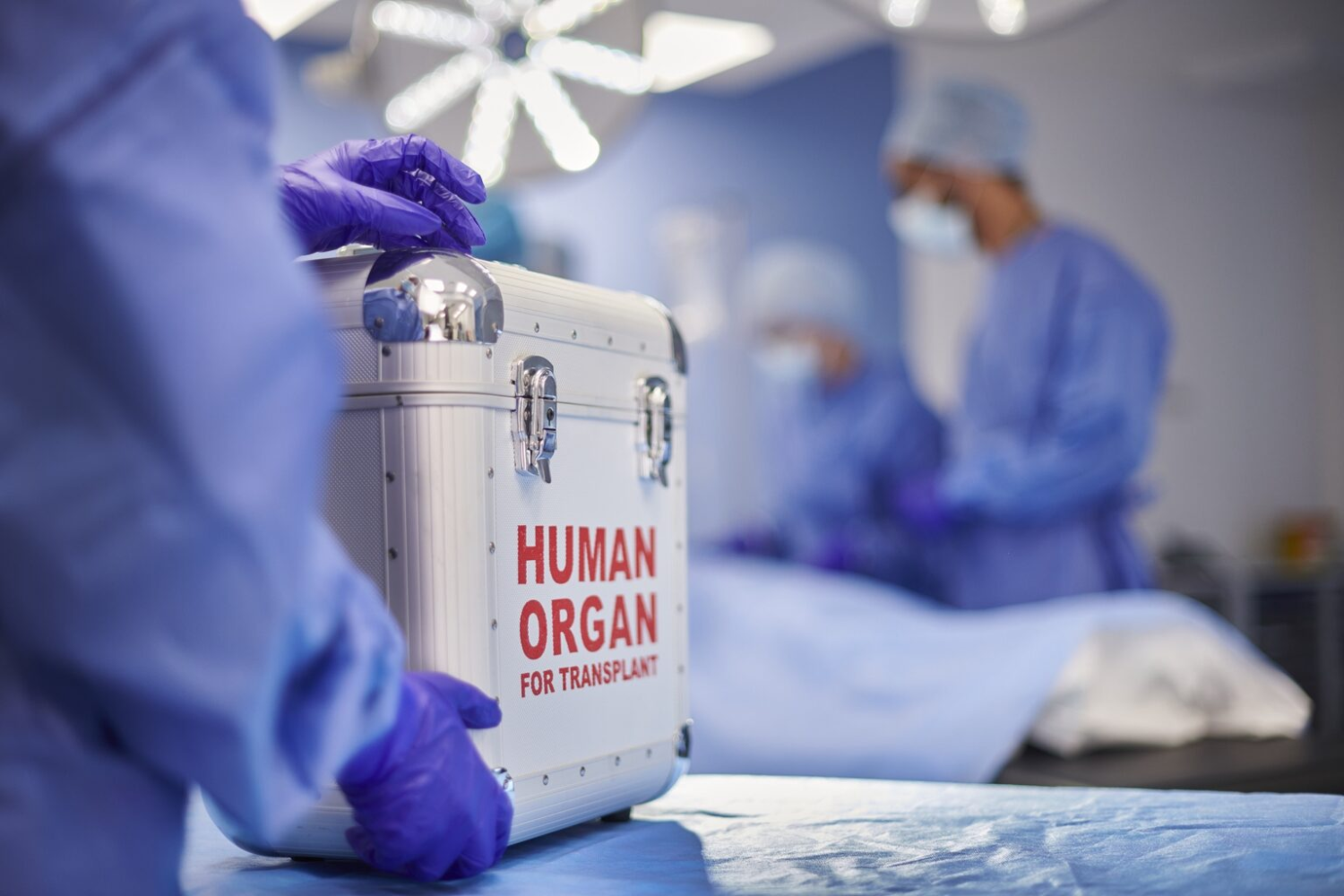
Our country has every reason to be proud of its record on organ donation from living donors. Yet the picture changes dramatically when it comes to donation after death, where Cyprus posts dismal results by both European and international standards. It is a contradiction none of us can afford to shrug off. On one hand, people give up one of their own organs to save a fellow human being. On the other, precious organs that could bestow life after death go to waste.
And this raises some unforgiving questions. Why, truly, do we fail to make use of all these human organs, leaving them to go into the ground? Why do Cypriots hesitate? What stops them from giving life to a suffering fellow citizen when the lives of their own loved ones have already been lost? What, in truth, lies behind our country’s poor performance in deceased organ donation at European and, indeed, global level? Why does Spain, top of the European table, produce 53 deceased donors every year, and Luxembourg, a country with roughly half the population of Cyprus, nine, while we manage a mere seven?
More paradoxical still is the fact that Cyprus ranks among the countries with a high toll of road deaths, crashes that often bring heavy loss of human life. This does not mean that every road death can lead to organ donation, since specific medical conditions must be met. It does, however, raise a hard question: why are we unable to turn more tragedies into chances for life, wherever this is medically possible and in keeping with the donor’s wishes?
The answer does not lie in pointing the finger at grieving families. It lies in awareness, in trust in the health system, and in building a society that talks openly about organ donation. The state, schools, the media and health professionals must work together so that every citizen knows donation is carried out with respect, transparency and rigorous medical procedures.
Beyond public ignorance and poor awareness of the issue, the dire shortage of transplant organs is also largely down to the state’s timidity, over all these years, in changing the legal framework governing organ donation and making the transplant process quick and simple. By way of example, in a number of other European countries the law treats everyone as a potential donor unless they request otherwise in writing, at which point they are automatically removed from the donor register. It is a practice that has significantly increased the availability of organs.
And if you are wondering who is waiting on the list for an organ transplant, the answer is people just like the rest of us, many of them in perfect health until recently. Because, according to the statistics, you are far more likely to find yourself needing an organ than in a position to give one. Cyprus has the chance to move from words to deeds. For death may mark the end of one journey, but the gift of organs can become the start of another. And that is perhaps the most meaningful mark a person can leave on the world.
If you still have doubts, consider this: the death of one person can give life to nine others. So let us read a little more closely the poet’s line that asks for life’s tomorrow to become life once again.
This piece was written to mark European Day for Organ, Tissue and Cell Donation 2026, hosted by Cyprus in Paphos. Its message, “Sharing Lives”, carries particular weight, because giving organs is not merely a medical act; it is the highest expression of humanity and solidarity.

