


Crews began repairing a roughly 50-year-old storm-water culvert under Digenis Akritas Avenue, one of Nicosia’s busiest roads, on Monday. The director of the Nicosia District Local Government Organisation (DLGO) has not ruled out parts of the road caving in.
The culvert encloses the Vasilopotamos river, also known as the Kotsirka, and will undergo extensive repair and strengthening. Decades of corrosion to its steel reinforcement and concrete are behind the problem.
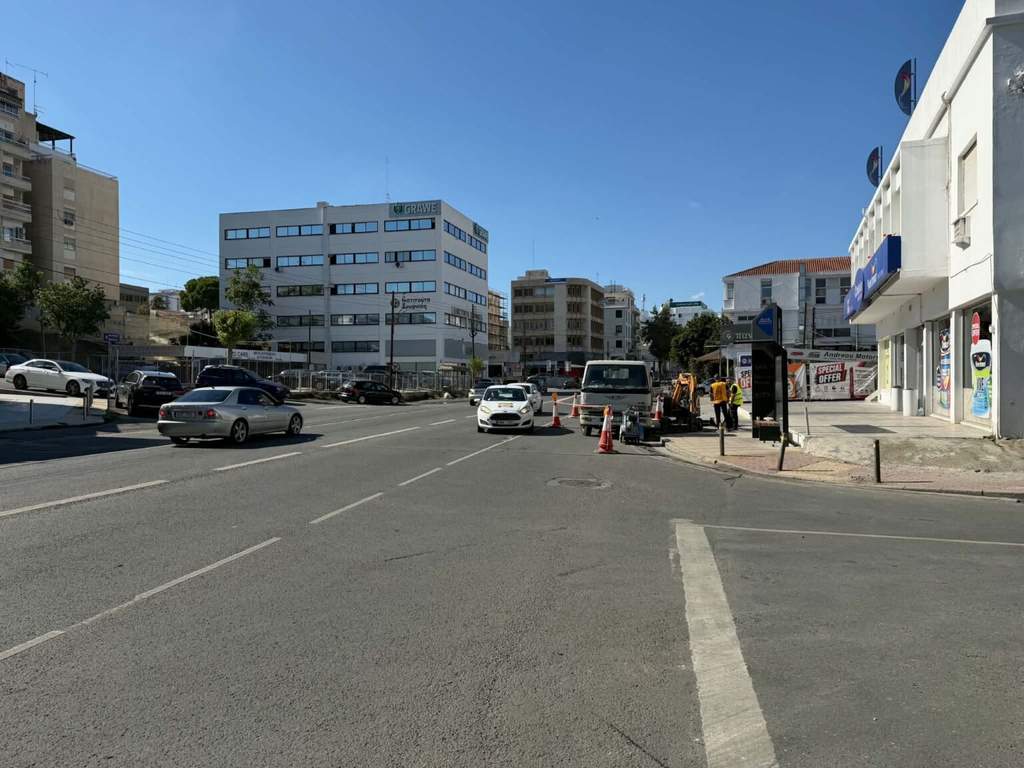
The project is expected to take 28 weeks in total, in four phases, and cost about 2.3 million euros plus VAT. The state will fund two-thirds and the Nicosia DLGO will fund the rest. The first phase is due to last until December 4.
The DLGO’s director, Konstantinos Parmaklis, said the risk would be greater if heavy vehicles, or vehicles carrying heavy loads, passed over the culvert. In that case, he said, he could not rule out a section of road giving way and a vehicle falling into the culvert.
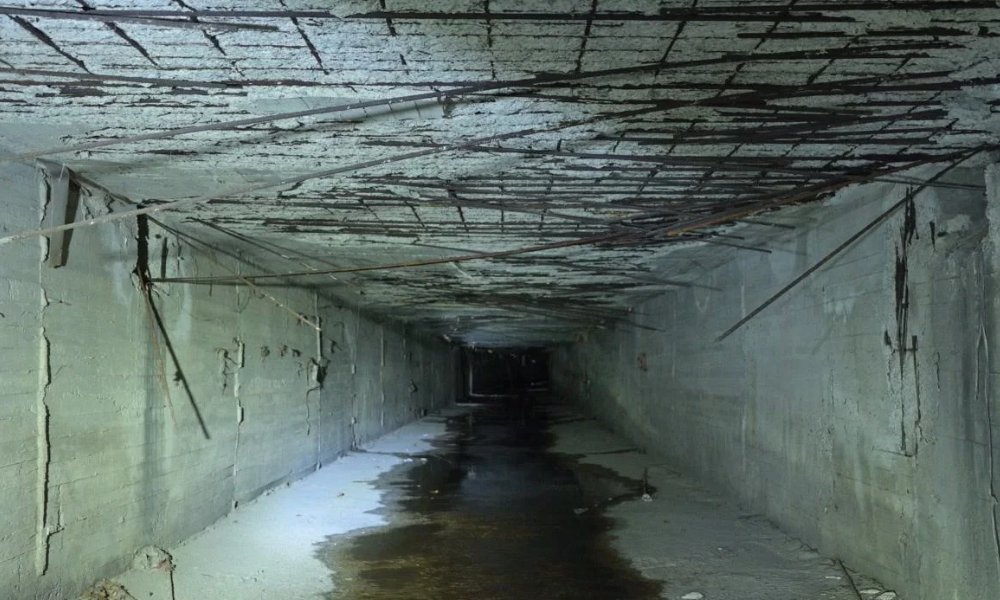
A technician working on the project told philenews that the reinforcement had deteriorated and the concrete was badly damaged in several places, and that the problem was not confined to one spot. “All of it is dangerous. Every point is equally dangerous,” he said. Images released by the Nicosia DLGO show the condition inside the culvert.
Besides cars, heavy vehicles such as trailers, whose total weight can run to tens of tonnes, pass over the culvert every day. Several years ago, part of it subsided near Cyta and Naxou Street, the technician said.
How the work will be done
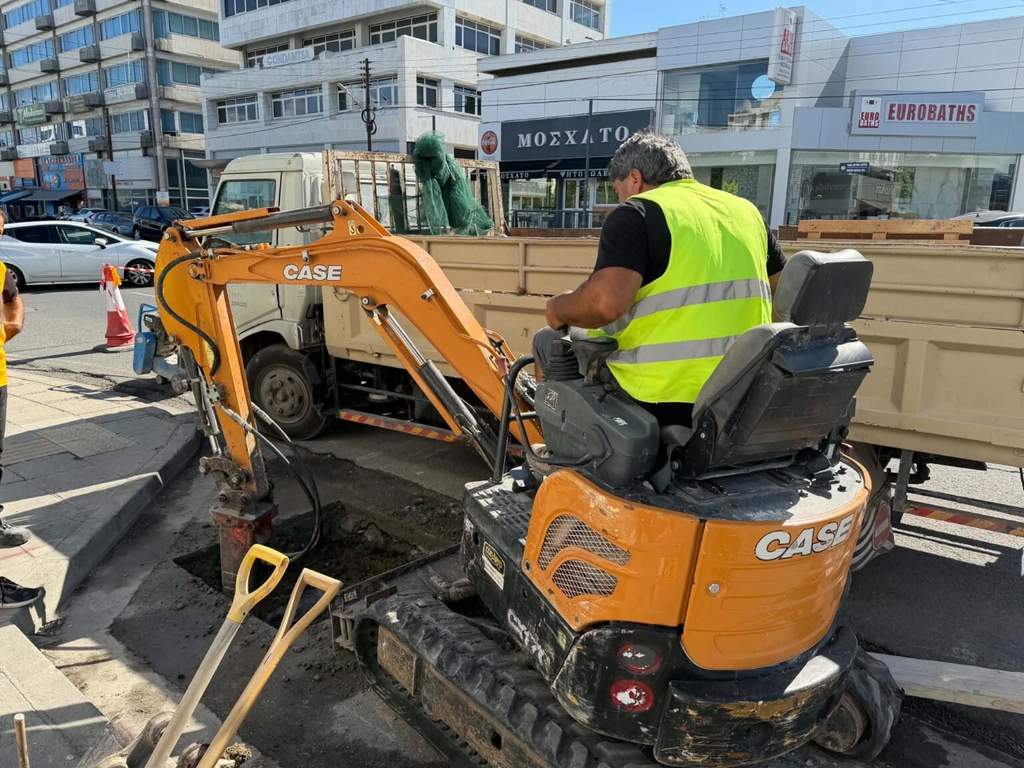
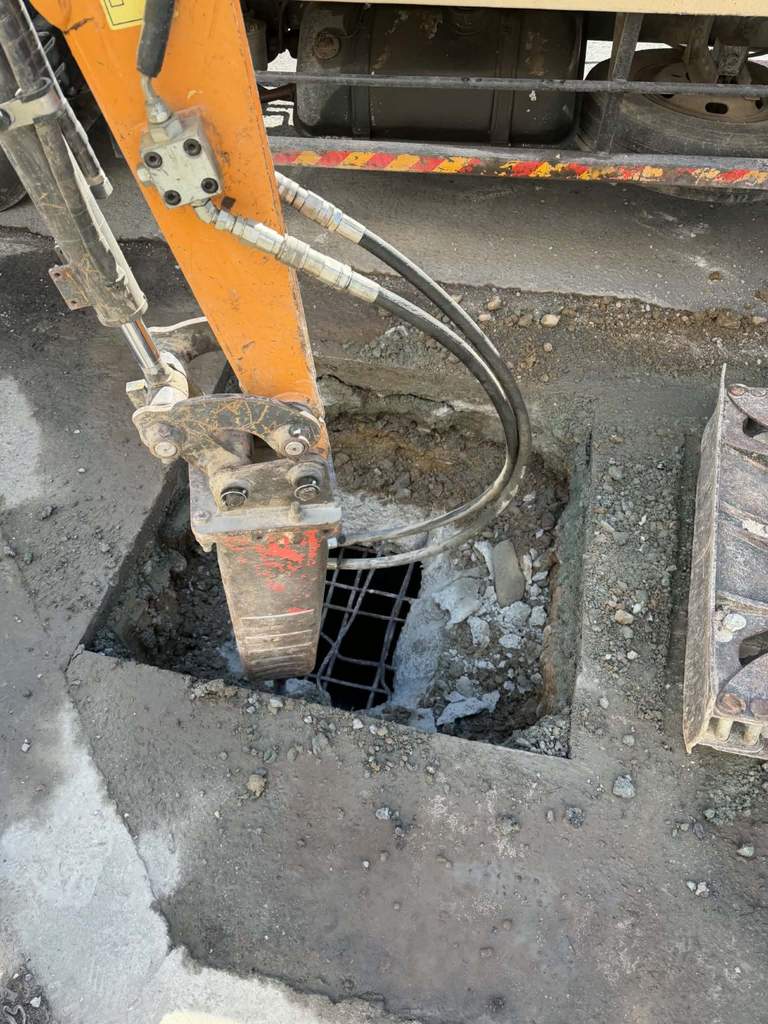
Crews are first cutting holes in the roof slab to get inside. Steel that can be saved will be restored, and the rest removed and replaced with new reinforcement before sprayed concrete is applied, the technician said. The main work inside the culvert is expected to start this week, with crumbling concrete and unsalvageable reinforcement removed before the structure is strengthened. Rain could slow progress, as much of the work will be done inside the culvert.
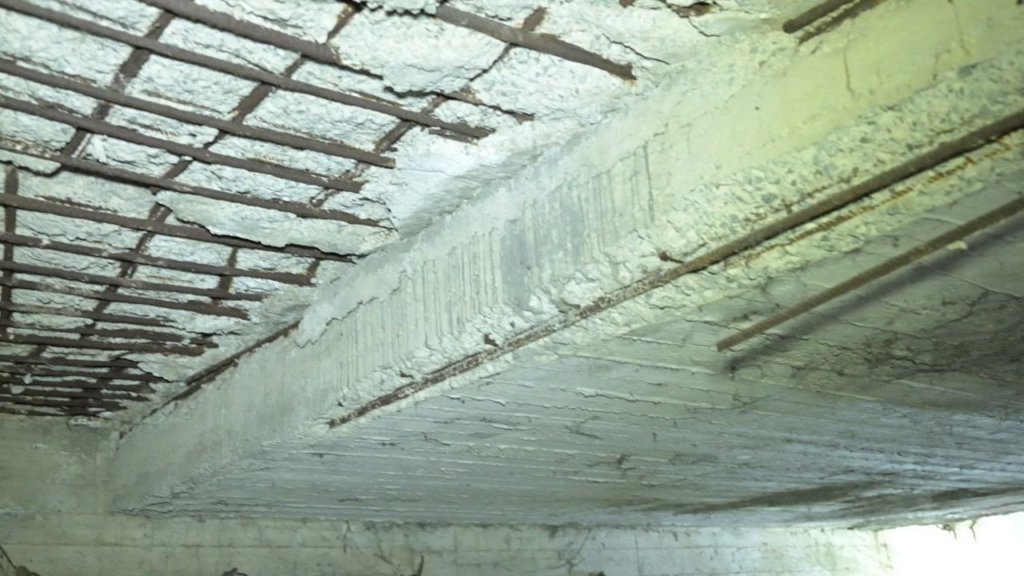
Nicosia DLGO president Constantinos Yiorkadjis said in media interviews in recent days that tens of thousands of cars pass directly over the culvert’s roof every day, making the repair a safety issue. About half of the culvert has already been repaired and work on the rest must now be completed, he said. The aim is to strengthen the walls and, above all, the roof with new reinforcement and concrete.
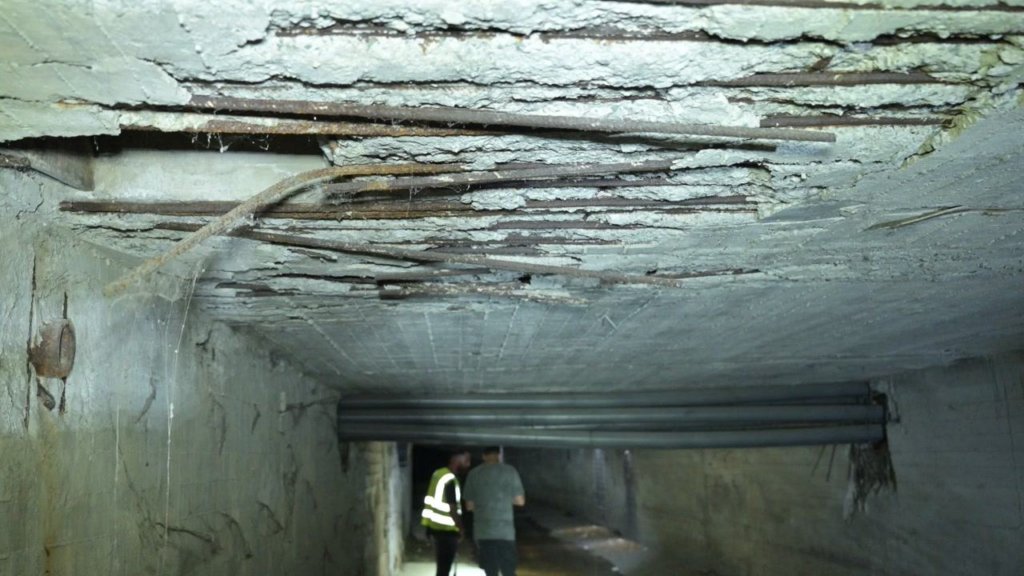
He acknowledged that the work would inevitably cause disruption and traffic congestion, and asked for the public’s understanding. Given the state of the structure, however, he said the project “absolutely has to start and be finished”.
Earlier section
Similar work was carried out a few months ago on another section, from Naxou Street to the Agios Antonios grocery store. The technician said both sections were in roughly the same condition. That work was initially expected to take six weeks but took about three months to complete.

