


By Sotiroula Vassiliou
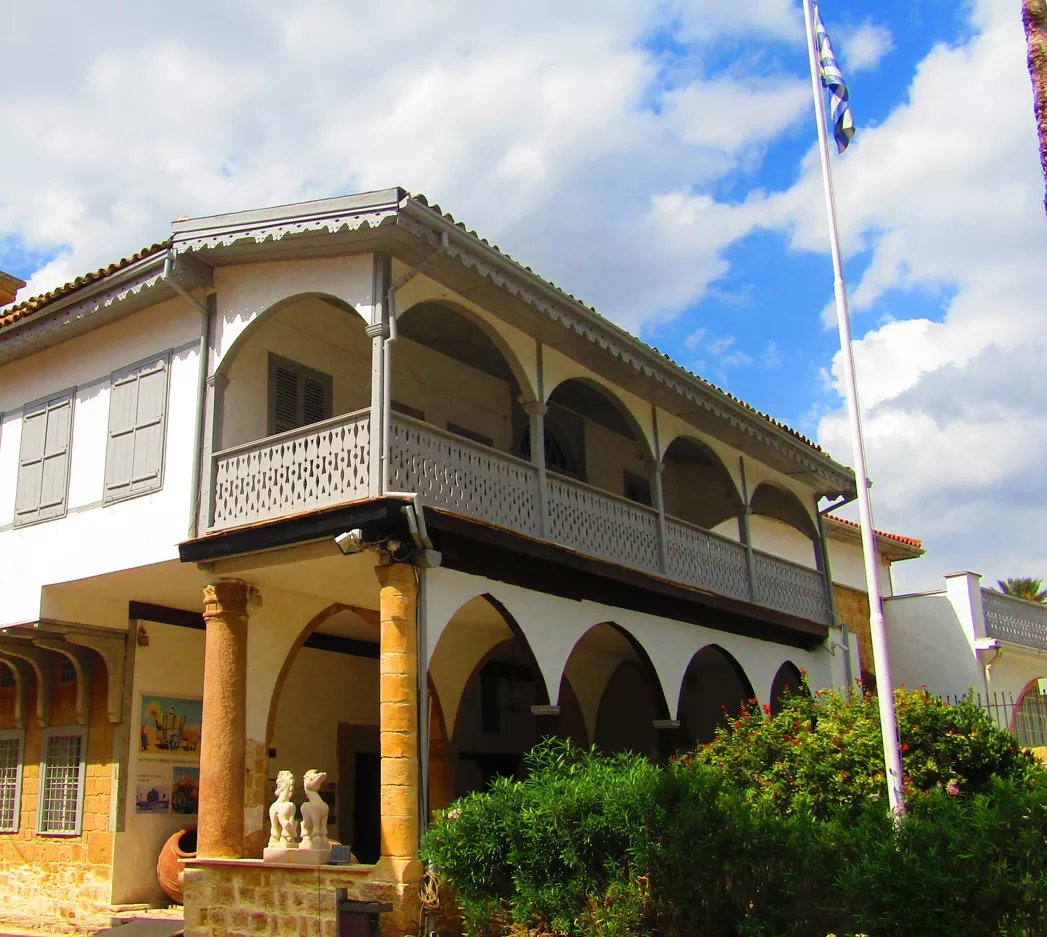
The Society of Cypriot Studies, founded in 1936 to document and promote internationally the Greek identity and Byzantine past of Cyprus, is marking 90 years.
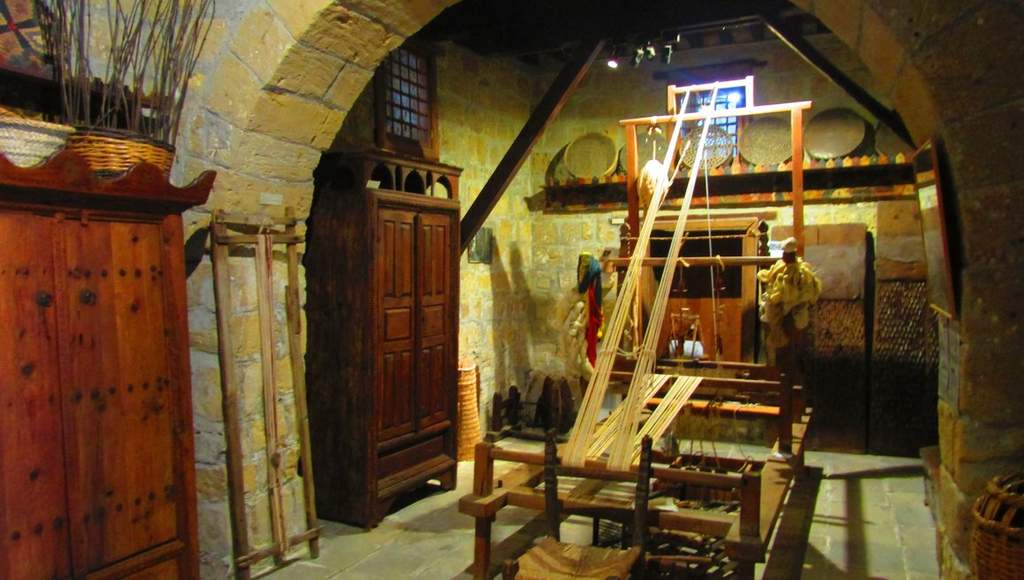
Its Cyprus Folk Art Museum, now a recognised private museum, holds more than 5,000 objects. These include textiles, pottery, woodcarvings, jewellery, furniture, paintings, icons, costumes, embroidery, tools and votive offerings.
The organisation builds ties with educational and research bodies in Cyprus and abroad, organises conferences, takes part in European research programmes and supports young scholars and artists. Its annual journal, ‘Kypriakai Spoudai’, first published in 1937, is still in print and has reached 79 volumes. It also keeps a library and a historical and photographic archive. The archive includes the papers of Patroclos Stavrou and photographs from Adamantios Diamantis’s trips around the countryside collecting material for the museum.
Documentary screening
The museum will host a screening of a documentary by Pancyprian Gymnasium students, ‘The Art of Basket Weaving in Cyprus: A Disappearing Treasure’, on Wednesday, October 21, from 5.30pm to 7pm, as part of European Heritage Days 2026.
The film was made under the Cyprus Pedagogical Institute’s ‘Recording Memory’ student documentary programme. It won first prize in its category at the international student short film competition ‘Cinema… diavases?’. The 33 students who made it researched the history, materials and techniques of basket weaving, visited the museum and the Museum of Reed Craft Memory, and met traditional basket weavers.
The screening will be accompanied by a basket-weaving workshop, and Pancyprian Gymnasium students will perform traditional music. The teachers in charge, Giannis Lazarou, Christodoulos Georgiades, Markella Sioula and Maria Orfanidou, said cultural heritage is a living part of identity and protecting it is a shared duty. To register, call 99555676. The documentary is available at https://www.youtube.com/watch?v=wtiektBNMXY&t=488s.
History
The society’s 24 founders set it up after the October events (the Oktovriana). In their aftermath, repressive measures were imposed, including the exile of metropolitan bishops and politicians, the abolition of the Legislative Council, censorship, a ban on political parties and the criminalisation of propaganda for changing Britain’s relationship with Cyprus. Control over schooling was also tightened.
Its first board, elected in 1936, was made up of three lawyers, three philologists and a teacher. The founders aimed to collect, preserve, study and publish historical, linguistic and folklore material, to gather works of folk art, and to work with organisations in Cyprus and abroad. The Academy of Athens honoured the society in April 1946.
Seven scholars have led it since 1936.
The museum was set up in 1937. According to Vasiliou, its aims were to highlight the island’s Greek character and to provide models for local crafts. Archbishop Makarios II gave it part of the ground floor of the Old Archbishopric, and over time the whole ground floor. In 1960, when the new archbishop’s palace was built, Archbishop Makarios III handed the society the entire old building.
The museum’s collection includes Michael Kashalos’s ‘The Wedding’, Ioannis Kissonergis’s ‘Karpasitissa’ and Andreas Stylianou’s ‘Lapithos’. It also has two murals from 1892, one depicting the arrest of Athanasios Diakos and the other Koutalianos.
Upstairs is the room used by Archbishop Kyprianos, who was dragged from the Archbishopric to the Seraglio in July 1821 and hanged. The former Great Synod hall is used for events.
The society has published the proceedings of its four international congresses of Cypriot studies, along with monographs on a range of subjects. The congresses, held in 1969, 1982, 1996 and 2008, each lasted several days and drew hundreds of researchers from dozens of countries. The second, in April 1982, brought together 417 delegates and around 300 observers from 33 countries. It ended with a resolution calling for the protection of cultural heritage in the occupied north.

