


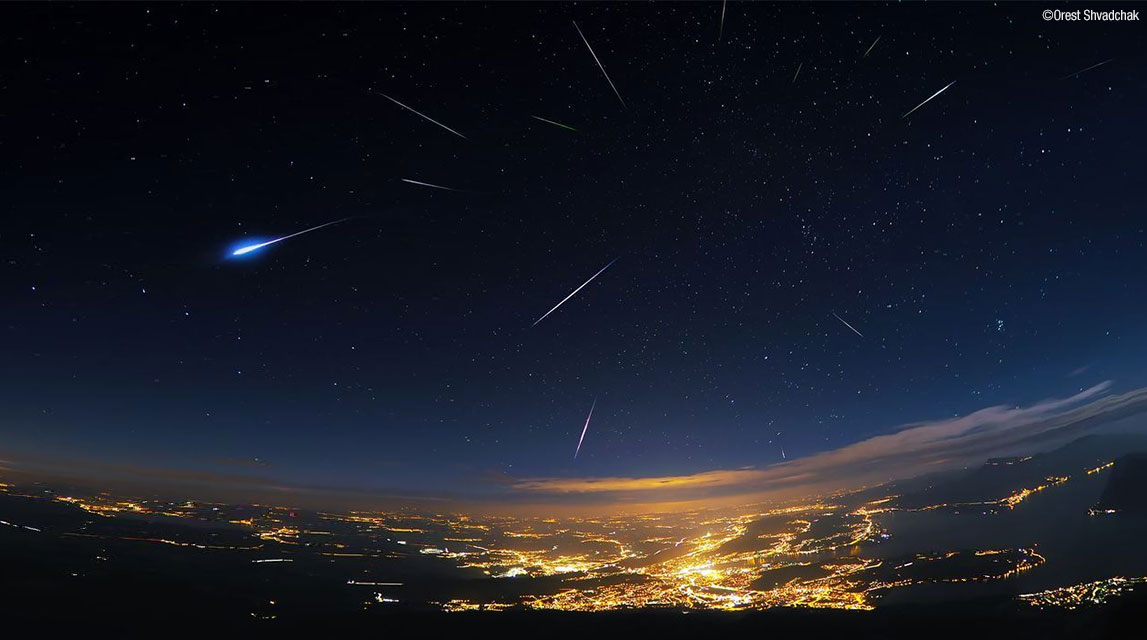
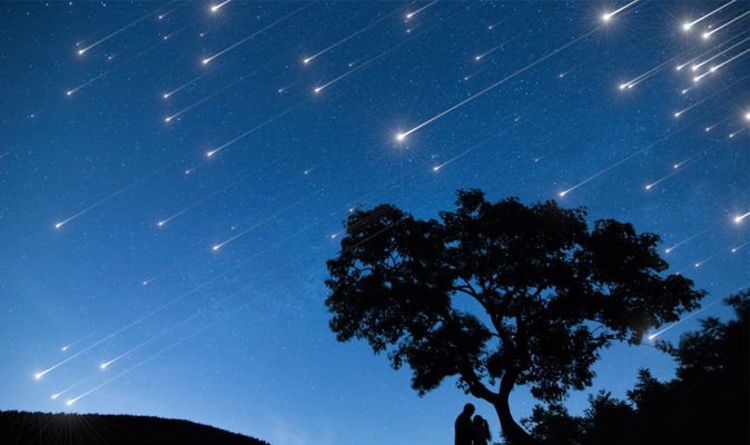
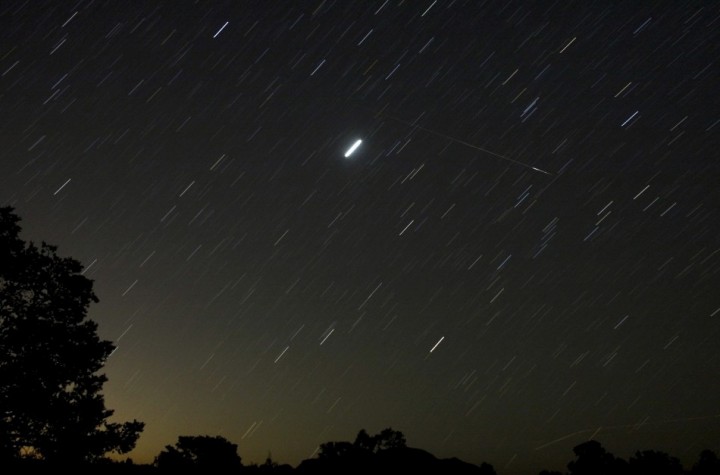
Astrophysicist Chrysanthos Fakas said the shower has been under way since July 17 and will continue until August 24, with the best viewing days falling on Wednesday and Thursday, August 12 and 13, when the highest density of meteors is expected.
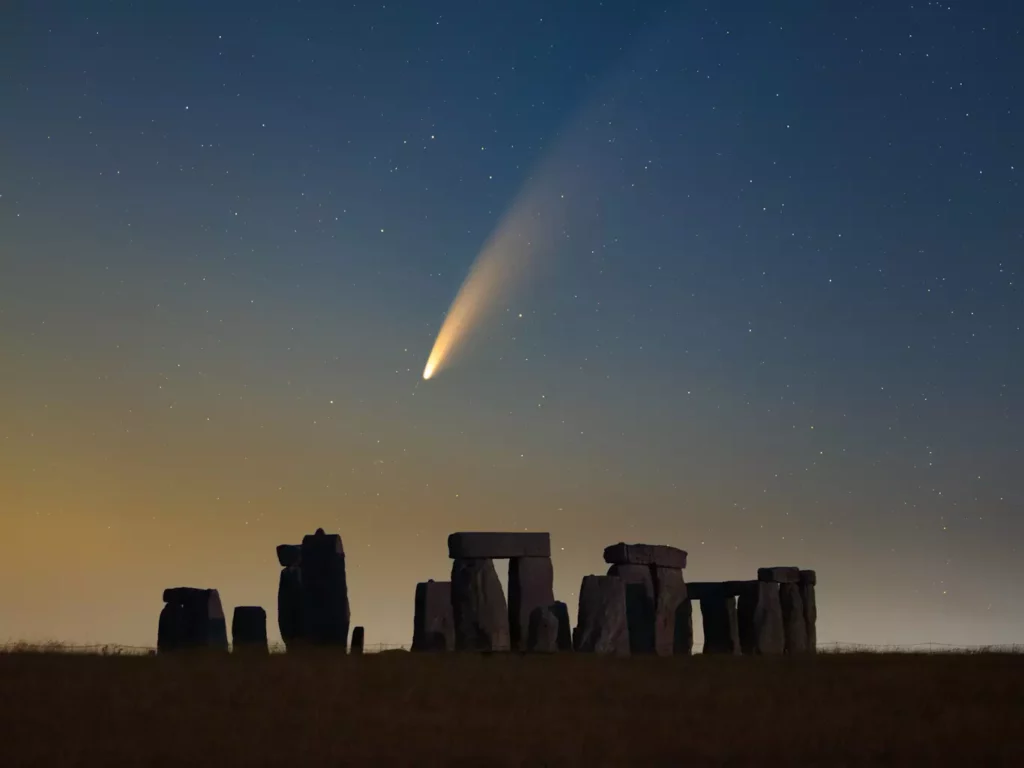
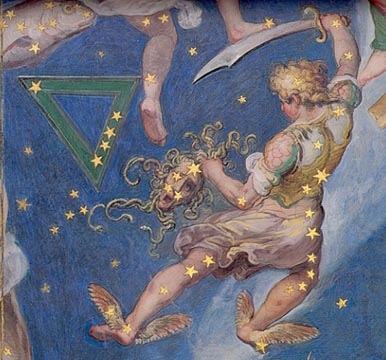
The Perseids take their name from the constellation Perseus, from which they appear to radiate. The radiant point sits in the north-eastern sky, and viewers are advised to look in that direction, ideally after 11pm, when the point climbs higher into the sky.
The sky will be moonless during the peak on August 12, a factor expected to make the meteors more striking, as the absence of strong moonlight will aid visibility.
The island’s next full moon will fall on August 28, known as the “sturgeon moon”, a name derived from the fish that Native American communities traditionally caught in the lakes of North America during that period.
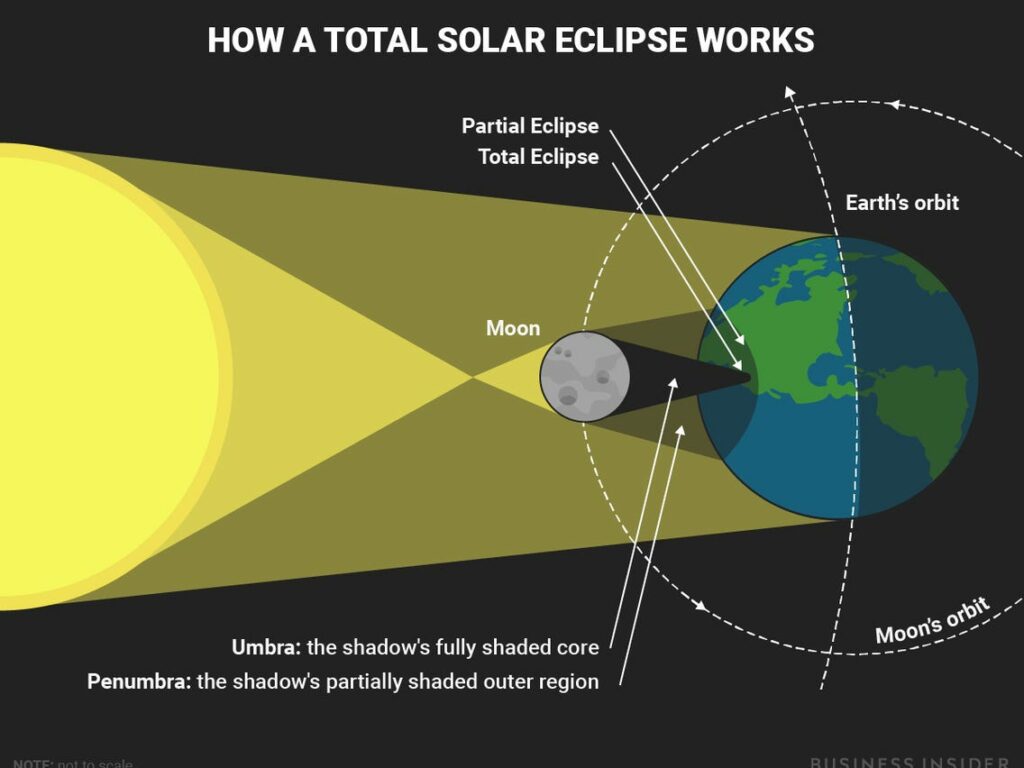
A total solar eclipse will also take place on August 12, the same day as the Perseid peak, though it will not be visible from Cyprus and will instead be seen from parts of Western Europe.
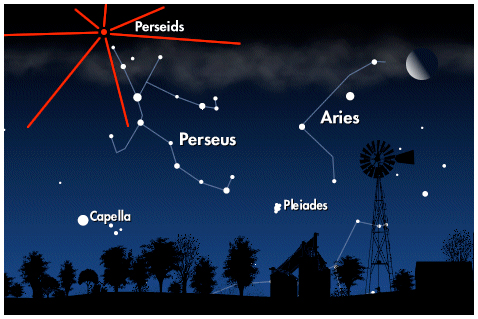
The Perseids occur when Earth passes through the trail of dust and debris left behind by comet Swift-Tuttle. As the particles enter the Earth’s atmosphere, they travel at high speed and burn up, creating the bright streaks in the sky commonly known as shooting stars.
Sky watchers will also be able to observe the constellation Scorpius, with its distinctive red star Antares, as well as the planet Venus and other constellations during the same period.
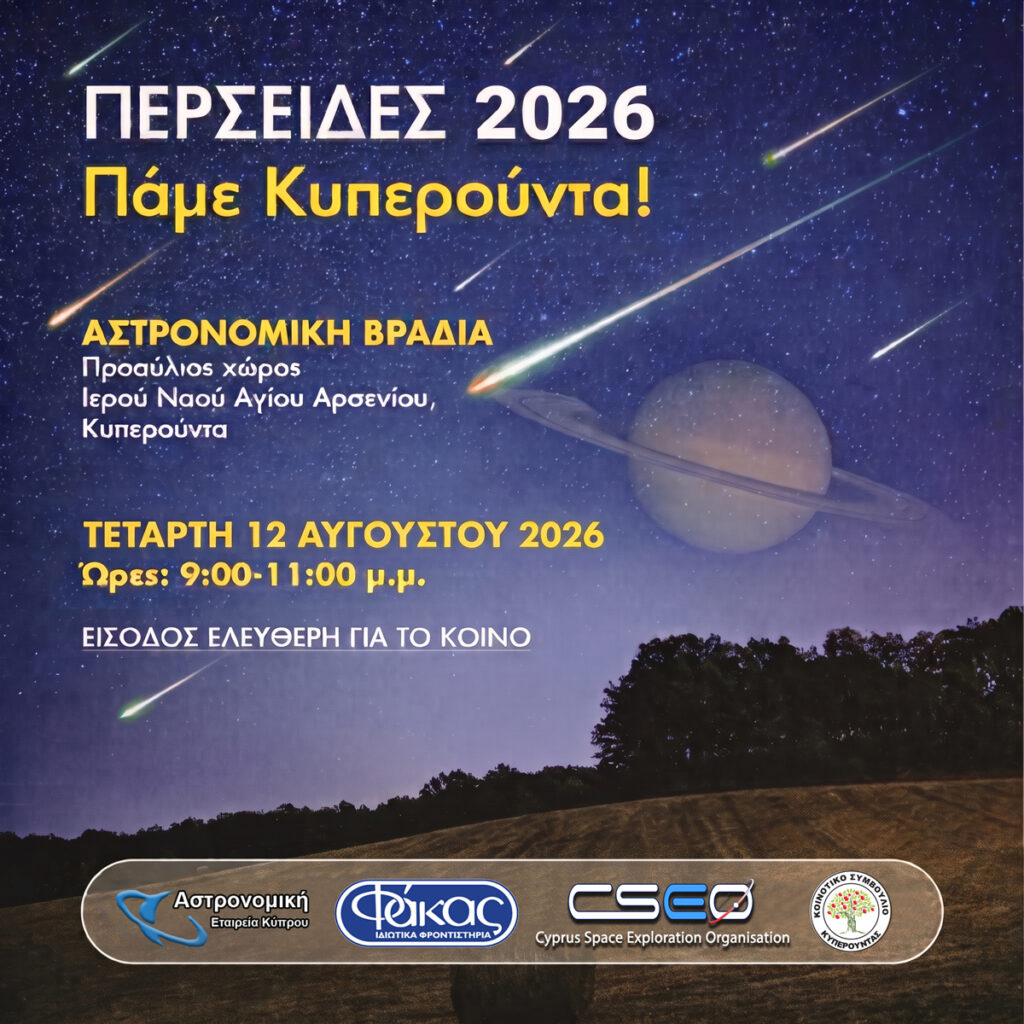
To mark the phenomenon, the Cyprus Astronomical Society, the Cyprus Space Exploration Organisation and the Fakas Tutorial Observatory, together with Kyperounta Community Council, are organising an astronomy night in the courtyard of Agios Arsenios Church in Kyperounta.
The event will take place on Wednesday, August 12, 2026, from 9pm to 11pm, with free admission for the public. Those with telescopes are welcome to bring them, and attendees are advised to bring warm clothing due to the low temperatures expected in the area.
For better observation, sky watchers are advised to choose spots away from lights and light pollution, and to enjoy the display safely.
Read more:

