


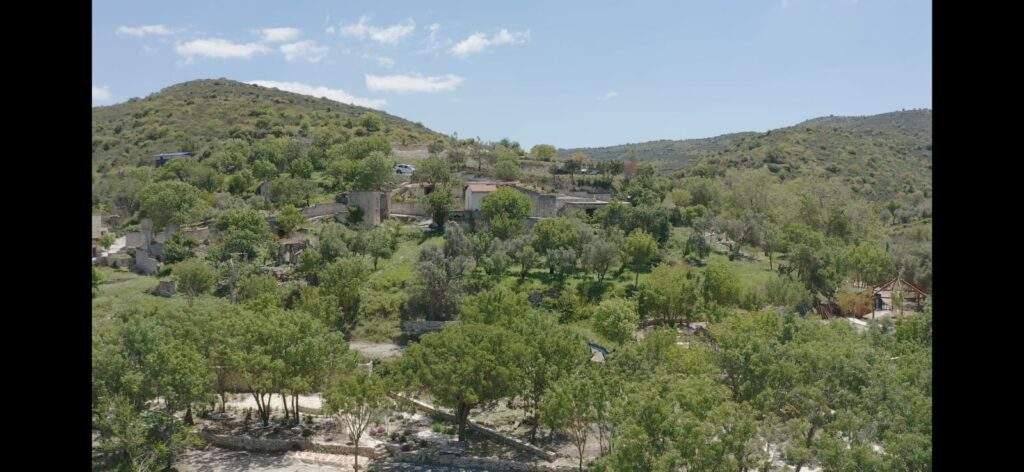
A general spatial plan for the reconstruction and revitalisation of the abandoned villages of Trozena and Gerovasa in Limassol district is currently under examination by the Environment Department, which is reviewing the project’s Special Ecological Assessment.
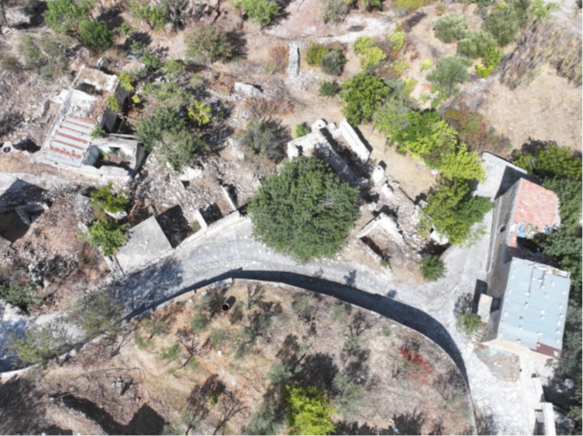
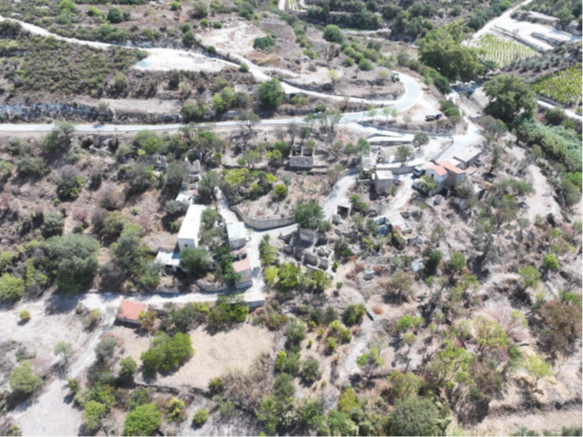
The plan proposes the development of seven residential complexes in Trozena, combining the restoration of existing ruins with new construction.
A total of 64 homes are envisaged: 48 new builds and 16 fully restored existing structures. All units are to be built using local stone and roof tiles in keeping with the area’s traditional architectural character. The homes, predominantly one-bedroom, would have a combined capacity of up to 132 people.
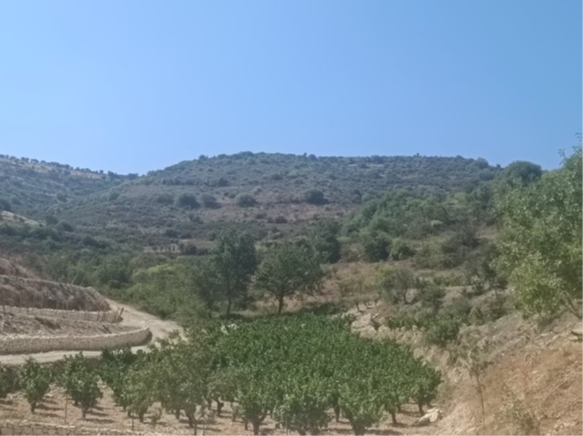
Alongside the residential component, the plan includes a small-scale winery with an annual production capacity of 40,000 bottles, equivalent to approximately 40 tonnes of grapes per year, incorporating a tasting room, cellar and production area.
Plots not earmarked for construction would be converted into new vineyards. A restaurant seating 100 people, along with reception areas and offices, is proposed for an existing building to be extended. The plan also includes a wellness centre with gym and spa facilities, as well as camping infrastructure.
The project aims to position the area as a destination for agritourism and ecotourism. The Special Ecological Assessment states that revitalisation will be concentrated on already-disturbed land within the old residential core, with measures taken to protect local vegetation during construction.
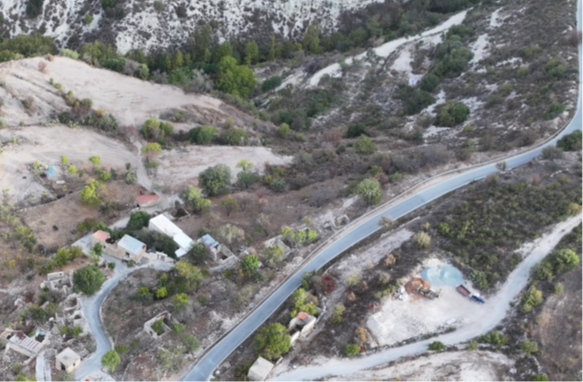
The assessment concludes that the project can contribute to the conservation objectives of the Natura 2000 network, provided human activity remains within the defined limits of the residential core. The area borders the Cha-Potami Special Protection Area of the Natura 2000 network.
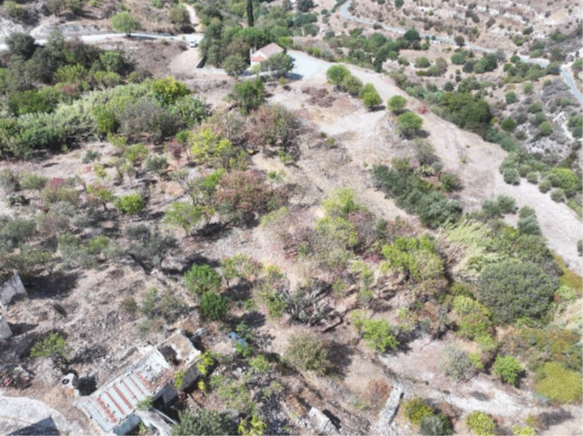
Construction is not planned to take place simultaneously across the site but in phases, with separate planning permit applications to be submitted for each installation. The project is expected to be completed gradually over at least two years, subject to the granting of the necessary permits.
Controversy
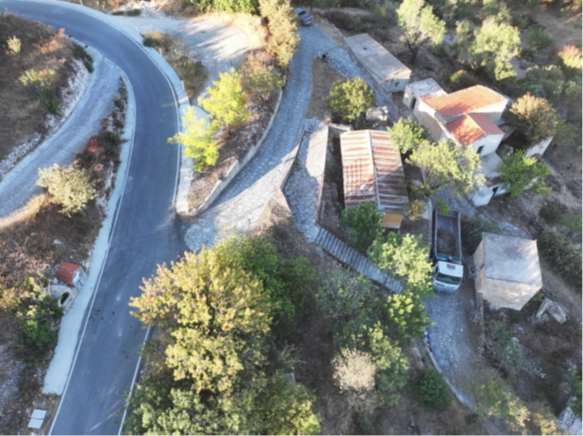
The project has attracted scrutiny. A separate Phileleftheros investigation found that large-scale earthworks had already been carried out in the project area before the Special Ecological Assessment was submitted — a requirement under applicable law. According to cadastral maps and satellite surveys placed before the authorities, the works, recorded across multiple protected planning zones, appear to have taken place between December 2023 and May 2025, during the period in which the assessment was being prepared.
The Ad-hoc Committee for the Special Ecological Assessment, which examined the study at a session on February 10, 2026, requested supplementary information on the earthworks, tree felling and removal of vegetation. Five questions on the matter have been submitted to the Deputy Director of the Environment Department and are awaiting a response.
Background
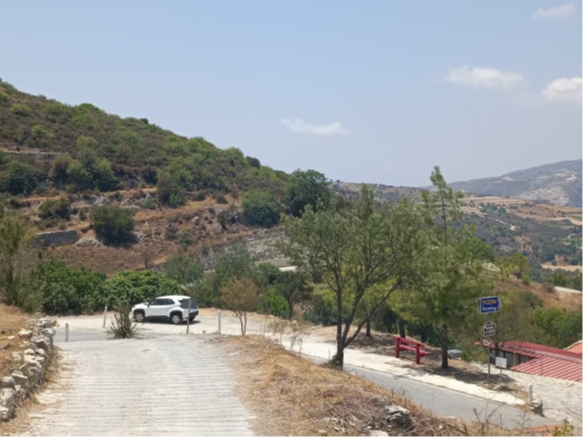
The Gerovasa–Trozena community consists of two near-adjacent settlements that for centuries served as agricultural centres, with farming and livestock as their main activities.
Gerovasa was a Turkish Cypriot village inhabited continuously from the Ottoman period, with the name meaning “sacred valley.” Its population grew during the British administration, and the village was abandoned in 1964 following intercommunal disturbances.
Trozena was a Greek Cypriot settlement, referenced from the 19th century as a farming estate. Despite its small size, it maintained a core of traditional life until the 1990s, when it was abandoned due to urbanisation and a lack of infrastructure, primarily the absence of an electricity supply.
Read more:

