


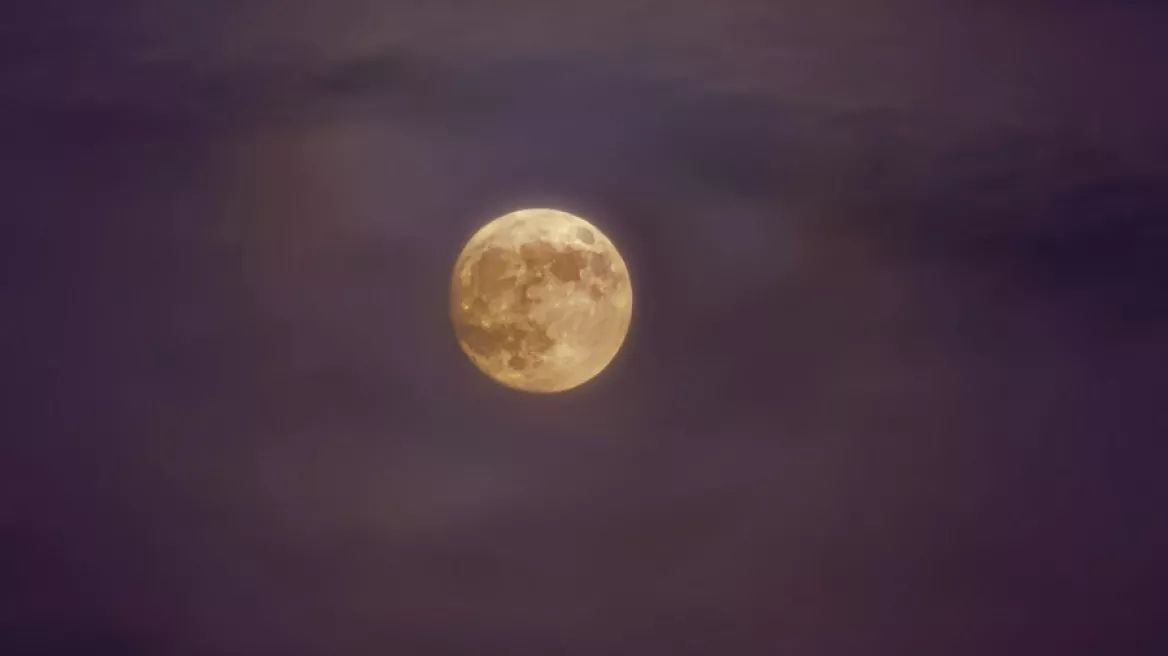
A full moon does disrupt sleep — but not quite in the way folklore suggests. Research published in Current Biology found that in the days leading up to a full moon, people tend to fall asleep later and sleep less, losing anywhere between 20 and 90 minutes. The effect appears to persist even without direct exposure to moonlight.
Christian Cajochen, the professor of chronobiology who led the study, said the findings pointed to something deeper than ambient light. “There seems to be a lunar rhythm that influences human sleep, even when there is no direct exposure to moonlight,” he said.
The biological effects are measurable. Deep sleep can decrease by up to 30%, overall sleep duration shortens, and melatonin levels — the hormone that regulates sleep — fall. Cajochen said the hormone drop may be key: “The reduction in melatonin during the full moon phase may explain why sleep becomes more shallow and less restorative.”
The influence extends beyond sleep. Psychologist Dr Eleni Tzavara said the full moon can act as a disruptor of the circadian rhythm, which in turn affects mood and energy levels. For people with anxiety disorders or bipolar disorder, the effects may be more pronounced. “It’s not that the full moon directly causes mental disturbances, but it may amplify pre-existing tendencies,” she said.
Experts also point to the role of expectation: if you anticipate being affected, you are more likely to feel it acutely. Whether the moon is acting on your biology or your beliefs — or both — the science suggests the effect is real, if subtle.
(information from ygeiamou.gr)

