


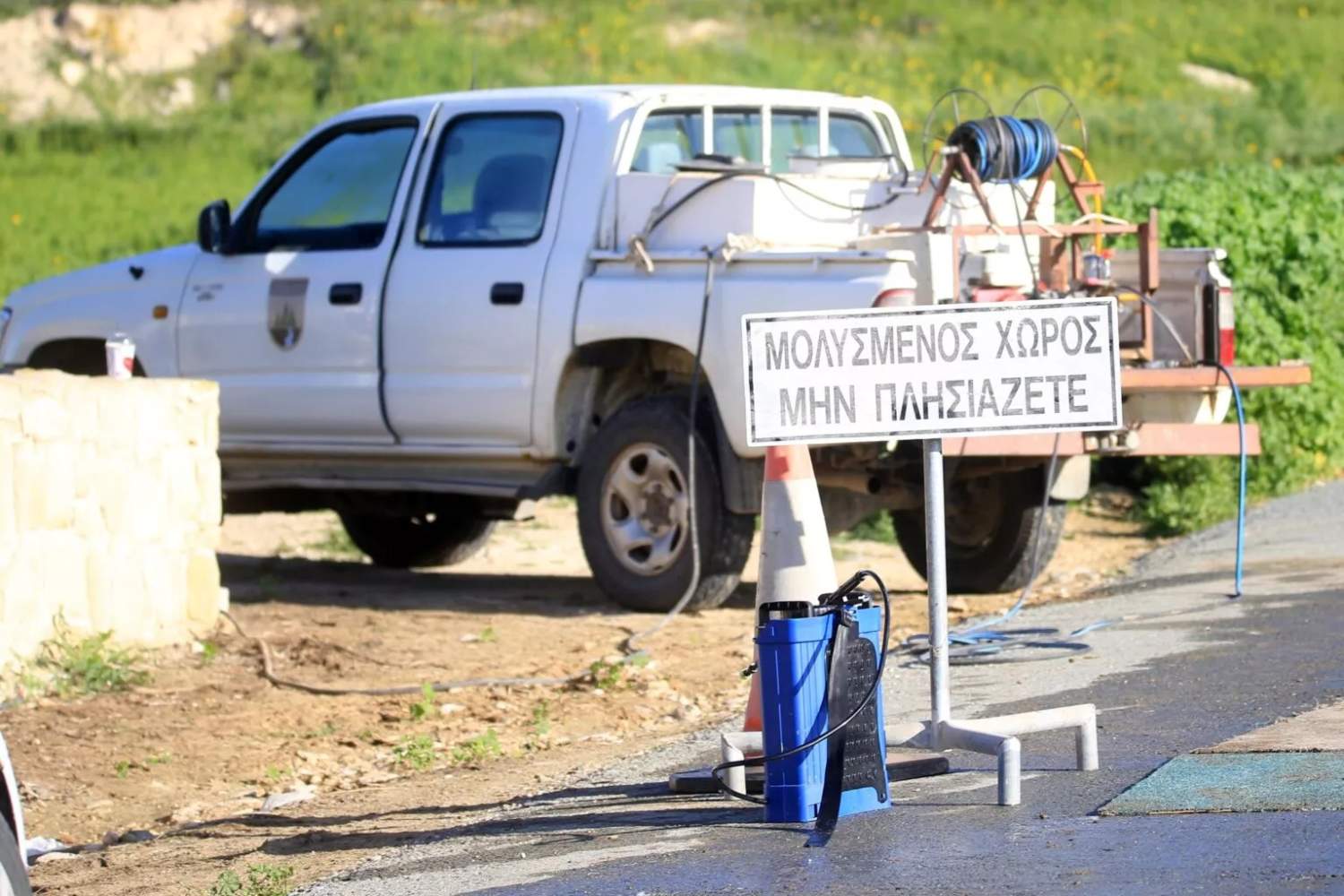
Cyprus is now backing the full and strict application of European protocols as the only way to protect livestock farming and shield the wider economy from foot-and-mouth disease, after a week of consultations and emergency meetings.
After talks at the Presidential Palace with the European Commissioner for Health and Animal Welfare, Olivér Várhelyi, and other parties involved, President Nikos Christodoulides and government spokesman Konstantinos Letymbiotis said the country was facing critical decisions and that the risk of economic exclusion was now visible. The European Commission lists Várhelyi as Commissioner for Health and Animal Welfare.
Speaking in Ayia Napa, Christodoulides said failure to comply with Brussels’ instructions would automatically mean “exit from the common market”. He warned that such a development would hit halloumi and other agricultural exports, tourism and services, as well as EU financial support for the Republic.
He said the moment required difficult decisions to be taken with the long-term interest in mind and added that the government would stand by those affected by the outbreak.
After the meeting at the Presidential Palace, Letymbiotis said the government’s goal remained the fastest possible return to activity for livestock farmers. He announced an intensification of the vaccination programme in full coordination with the EU and appealed for strict compliance with biosecurity measures. He also said the state would provide full financial coverage and support to workers, while thanking private veterinarians for what he described as their superhuman efforts under difficult conditions.
The government also raised concerns over the handling of the disease in areas not under the effective control of the Republic. Christodoulides said the government would examine with the EU the regime applying in the occupied areas, while Letymbiotis said legal and procedural arrangements were being examined for units near non-controlled areas in close contact with the European Commission.
According to the source text, 73% of cattle and 32% of sheep and goats across Cyprus have already been vaccinated and the first dose is expected to be completed by the end of March. The second dose is due to start on March 17, with 451,000 vaccine doses made available.
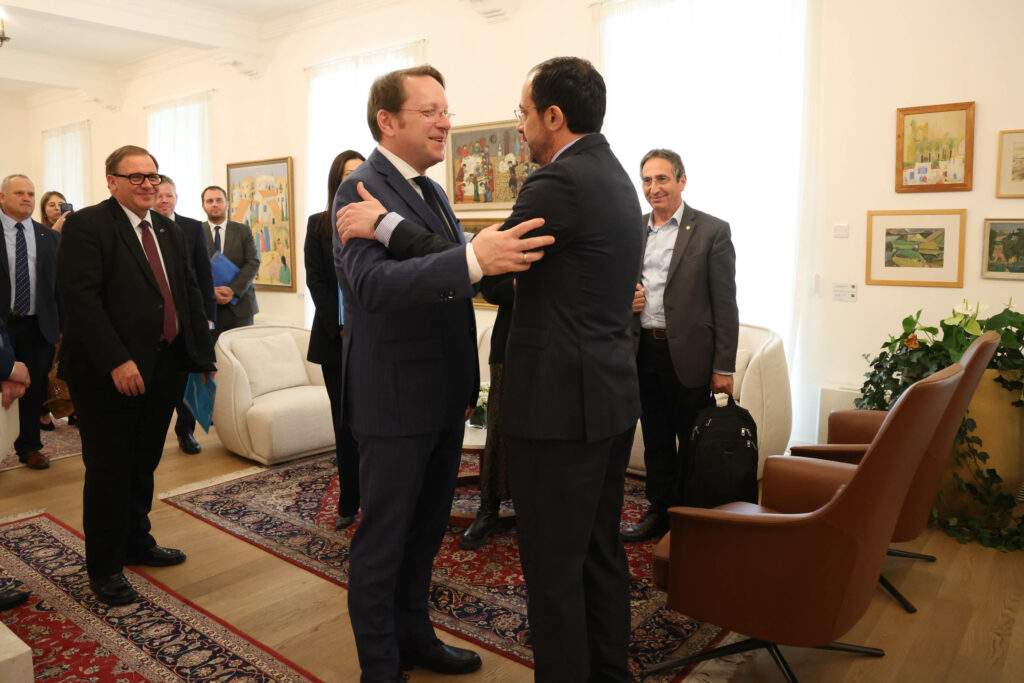
Várhelyi, who held meetings in Nicosia on Friday, said strict application of veterinary protocols was the only way to protect the sector. He warned that any refusal to comply would put Cyprus outside the single market, with severe consequences for exports such as halloumi and possible restrictions affecting tourism. Public reports on Friday also said he ruled out any easing of EU rules during his Cyprus visit.
Responding to calls from political parties, farming organisations and livestock farmers for only infected animals to be culled, Várhelyi was quoted in the source text as saying: “It is not the time for experiments. We must close the infected areas immediately and quickly.” He described foot-and-mouth disease as livestock farming’s toughest enemy because of its extreme transmissibility and warned that the virus could be carried even on clothes and shoes.
He also called on people not to visit infected areas to protest or conduct interviews, saying they could spread the virus without realising it. According to the source text, EU veterinarians are due to arrive in Cyprus to help with the culling process.
On pig farms within the 10-kilometre zone, the commissioner proposed the immediate slaughter of pigs weighing more than 80 kilograms, according to the source text. He also discussed with the government and other parties the option of separating healthy units through internal division, using physical barriers, separate staff and different feeding chains. The source text said the EU was willing to help implement that model if strict biosecurity rules were observed.
Várhelyi also assured producers, according to the source text, that the EU would cover the cost of slaughter, destruction of products such as milk and meat, and wider economic losses. Once Cyprus is declared free of the virus, funding would also be made available to rebuild livestock numbers.
Despite criticism and calls for resignations, the government appears determined to press ahead. Christodoulides rejected criticism from Disy and Akel, saying their approaches were identical and insisting the focus must remain on managing a crisis that does not allow half measures.
Read more:
Foot-and-mouth crisis: Parties demand government action after EU Commissioner meeting

