


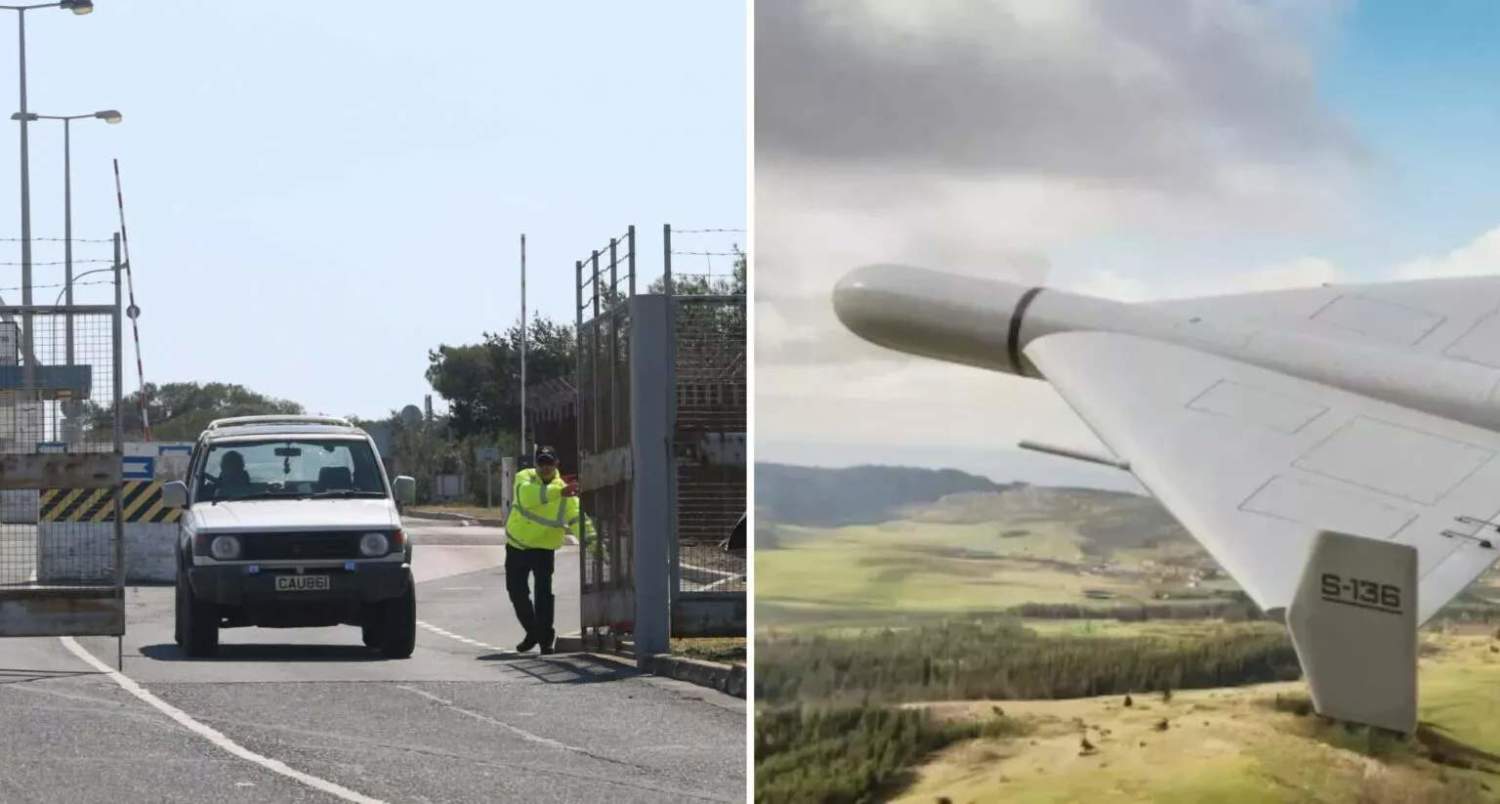
Sirens sounded three times at the British bases in Akrotiri on Thursday— and three times, no threat was found. Fighter jets scrambled, protocols fired, and within minutes the all-clear came. For residents and the wider public, the same question is now hanging in the air: how real is the danger each time the sirens start?
Government spokesperson Konstantinos Letymbiotis briefed the public after each incident, confirming on all three occasions that no threat had been detected and that the alert had ended.
According to well-informed philenews sources with specialist knowledge, the bases go on alert the moment anything is detected heading towards Cyprus from the Lebanon area. The bases are automatically assumed to be the target, triggering an immediate scramble of fighter jets. Minutes later, the object may turn out to be non-threatening.
To track such threats, allied forces in the region have established a Common Operational Picture (COP) in cooperation with the National Guard, allowing them to share a common picture of the airspace and coordinate intercepts. Had the Greek frigate Psara, equipped with the Centaurus anti-drone system, been in Cypriot waters, sources said, the drone that struck the bases would have been detected in time. Centaurus was developed specifically to counter unmanned aerial vehicles and has been combat-tested during Operation ASPIDES in the Red Sea, where it detected and shot down Houthi drones.
In most cases, sources believe it is Israel engaging the drones. Whether RAF fighter jets have themselves engaged any targets remains unknown.
Even the most powerful radars can miss these drones — they are built from lightweight materials with a low thermal signature. The specific drone that struck the bases was detected, then disappeared, then reappeared on radar, illustrating the difficulty that unmanned aerial vehicles have posed even to the world’s largest militaries.
The pattern of alerts, sources said, is expected to continue for as long as the war remains ongoing.
Read more:

