


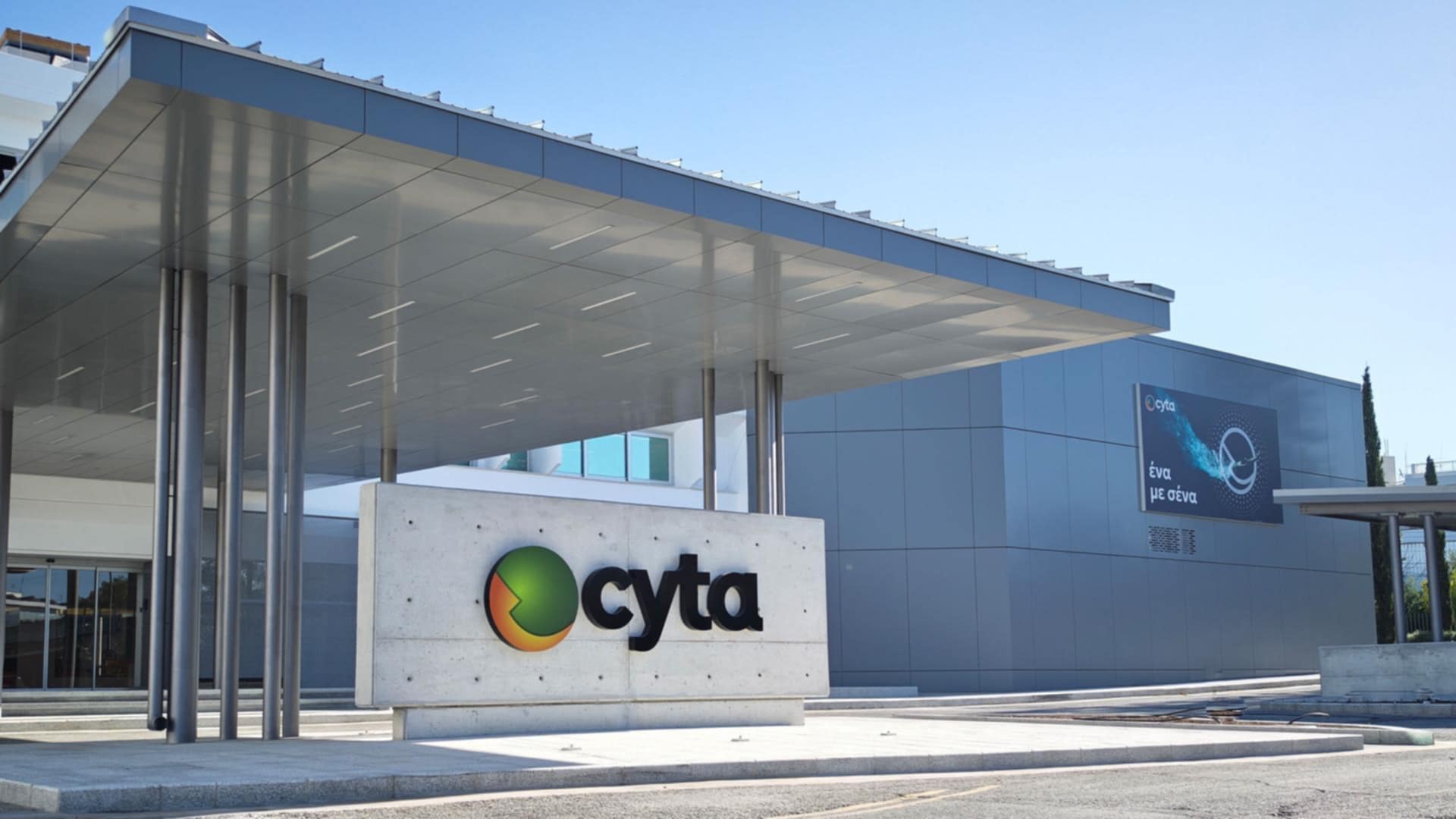
The government has submitted legislation to allow the Cyprus Telecommunications Authority (Cyta) to expand into the energy sector, a move designed to prevent the semi-governmental organisation from falling behind private competitors.
The cabinet approved the amendment to the Telecommunications Services Law on 23 July 2025, authorising the finance minister to submit the bill to parliament for a vote.
The proposed changes would enable Cyta to enter renewable energy and electricity supply, placing it in direct competition with the Electricity Authority of Cyprus (EAC) for the first time.
Keeping pace with private rivals
The decision has raised questions about why two semi-governmental organisations should operate in the same sector, but business sources told Phileleftheros the move is fundamentally about protecting Cyta’s competitive position.
Whilst Cyta remains profitable, that could change as private telecommunications companies already have the legal right to expand into all sectors, including electricity supply. This became particularly relevant when the competitive electricity market launched in early October, giving consumers the right to choose their electricity provider.
If private telecoms firms move into energy, Cyta would find itself at a significant disadvantage, business sources said. The broader range of activities and increased cash flow competitors would gain could make their telecommunications services even more competitive.
Cyta appears to be trying to head off this competition, ensuring it doesn’t end up in a weaker position and can compete on equal terms with private companies.
Global trend towards convergence
The bill’s explanatory memorandum directly addresses the competitive issue, noting that the convergence of telecommunications and energy is a global trend and telecommunications companies that enter the energy sector gain a competitive advantage over those that do not expand into this field.
Sources familiar with the matter stressed that the legislative change doesn’t mean Cyta will immediately enter the electricity sector. The primary reason for the amendment is to establish the legal framework, rather than because there are concrete plans for immediate involvement.
Any such move would require significant preparatory work and investment, involving time-consuming processes, according to sources.
Priority for vulnerable households
The bill indicates that Cyta would prioritise households without other options, such as those unable to install solar panels on their homes.
Residential customers who don’t own their properties would be given priority for Cyta’s energy provision. This approach would help social groups not covered by other state schemes to reduce their electricity costs, according to the bill.
EAC’s shelved request
Phileleftheros has learnt that the EAC previously made a similar request to expand into telecommunications, but discussions never progressed beyond initial conversations.
Read more:

