


The European Union has made strategic diplomatic moves that contributed to modest progress on the Cyprus issue, with Turkey maintaining its established positions but showing increased recognition of Cyprus’s significant role within the EU framework, according to diplomatic sources.
While the United Nations Secretary-General retains management of the Cyprus negotiation process and has historically given substantial weight to Turkey’s positions, there are indications that the UN now acknowledges it cannot sideline or disregard the European Union’s involvement in the matter.
Despite initial discussions in diplomatic circles about the EU’s limited formal role at the recent informal conference in Geneva, where participants gathered not to negotiate substantive issues but to establish pathways toward future negotiations, the European bloc ultimately maintained meaningful influence in the proceedings.
During the informal conference, sources indicate that proposals raised by the Turkish Cypriot side on 2-3 specific issues were not adopted as they conflicted with established EU legislation, which participants recognised could not be circumvented.
The joint letter signed by European Council President Antonio Costa and European Commission President Ursula von der Leyen, first revealed by philenews, appears to have established clear parameters for discussions on the Cyprus issue.
The letter emphasised “the EU’s firm commitment to Cyprus reunification through a substantial solution within the UN framework, based on a bizonal, bicommunal federation in accordance with relevant UN Security Council resolutions and aligned with EU principles, values and legislation”.
The communication further stated that “the European Union stands ready to play its role and actively contribute and enhance its efforts to support the UN-led process,” marking a significant shift from Brussels’ previous approach of treating the Cyprus issue as exclusively within UN jurisdiction.
The letter followed telephone conversations between President Christodoulides and both Costa and von der Leyen, reflecting strengthened cooperation between the Cypriot President and EU leadership across a broad spectrum of issues beyond the Cyprus problem.
This improved communication channel has enhanced Cyprus’s ability to influence EU-Turkey discussions. President Christodoulides revealed to the National Council that Nicosia was consulted regarding the European Investment Bank’s interest in investing in Turkey—a move that would signal confidence in the Turkish economy.
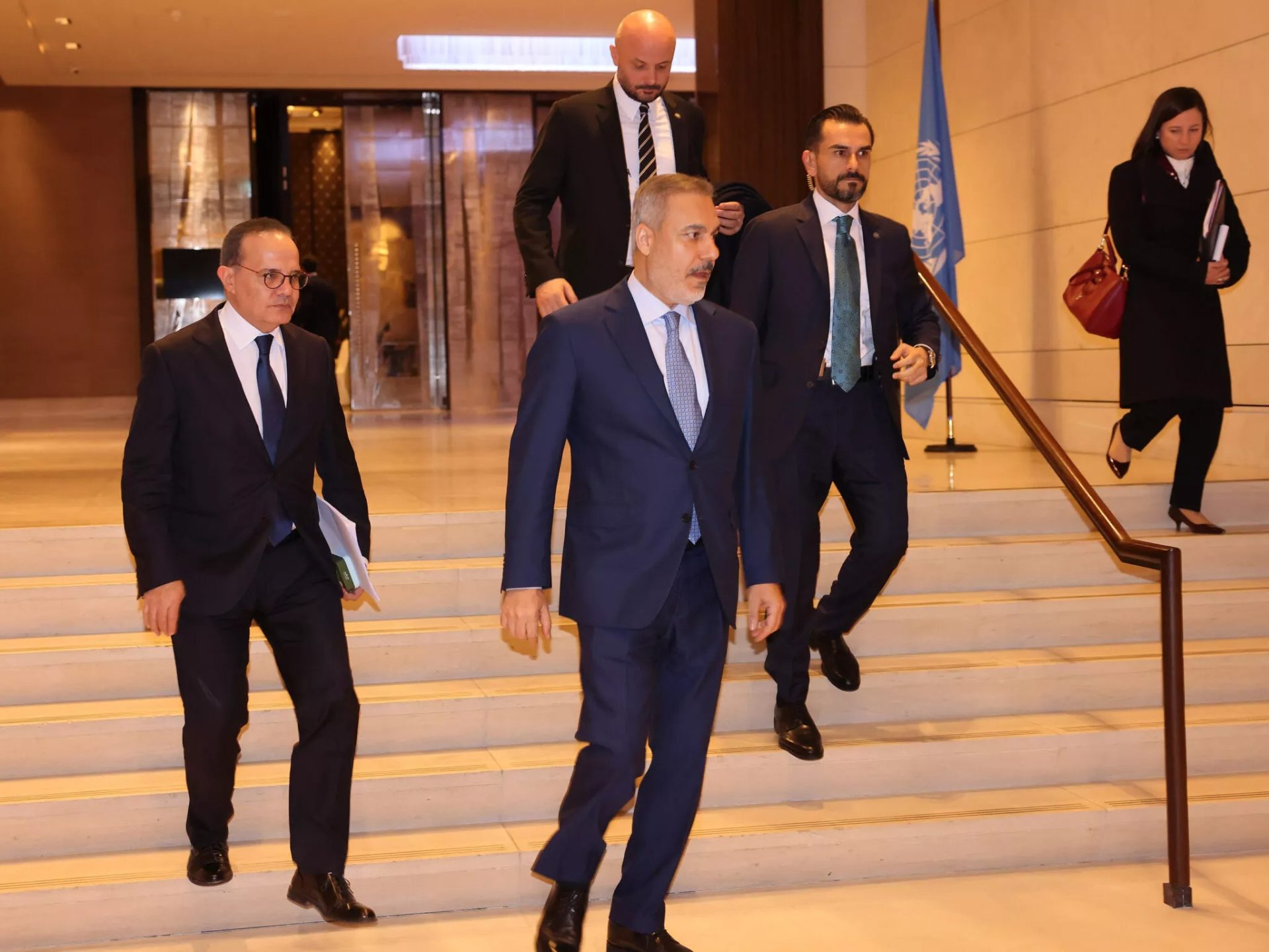
Turkish Foreign Minister Hakan Fidan has been informed of these potential EIB investments, with President Christodoulides discussing the matter with him, though it remains unclear whether this occurred during their private meeting in Geneva on Monday evening or in previous conversations.
Unlike his predecessor, Fidan appears to recognise that—regardless of Turkey’s preferences—Cyprus maintains a significant role within the EU that cannot be disregarded.
The Cypriot government has noted a different approach from Fidan compared to former minister Mevlüt Çavuşoğlu, observing that while Turkey’s fundamental positions remain unchanged, Fidan demonstrates less arrogance and greater recognition of Cyprus’s potential influence within EU decision-making processes.
This evolving dynamic could potentially facilitate further progress on the Cyprus issue ahead of important developments expected in July, as regional and international stakeholders continue to navigate complex political realities.
Read more:

