


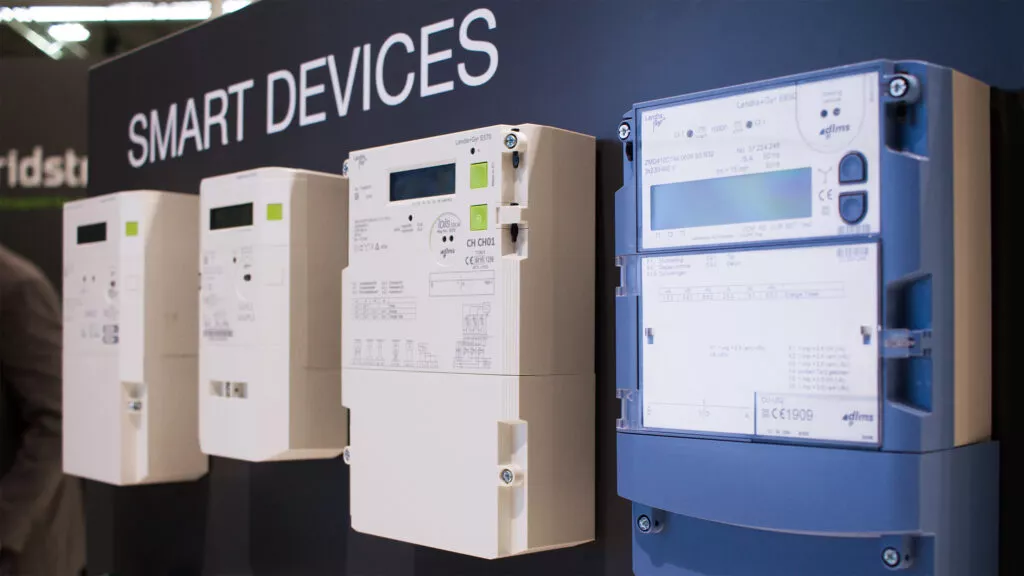
After five years of delays, involving legal challenges, cancelled tenders, appeals, and legislative changes, Cyprus is finally set to begin installing smart meters in households by January 2025.
The Electricity Authority of Cyprus (EAC) has already sent out informational leaflets along with electricity bills, informing consumers about the transition from conventional to smart meters.
The initial installation will begin later this month in urban areas, with the goal of replacing all conventional meters with 500,000 smart meters by 2028, according to the latest plans.
€35 Million Funding Secured
A major concern for the government, the EAC, and consumers was the risk of losing €35 million in funding from the Recovery and Resilience Fund for the purchase of the smart meters due to ongoing delays. However, through diligent efforts and an acceptance of adjusted timelines, the funding has been secured.
The total cost of the project is approximately €50 million, with €35 million sourced from the EU fund. The remaining costs, which include installation, will be covered by the EAC’s reserves, as the tender only covered the procurement of the smart meters from CYTA.
A Long and Bumpy Road
The installation of smart meters has faced numerous hurdles, including lawsuits, appeals, and even the need for changes in the law to approve the offer. The first smart meters were installed in 2016 as part of a pilot program for 3,000 consumers. The initial plan was to have over 400,000 smart meters installed by 2025, covering all consumers in Cyprus.
The End of Manual Meter Reading – Benefits of Smart Meters
The EAC has outlined several key benefits of the smart meters:
- Consumers will have real-time information on their electricity consumption, enabling them to adjust their energy habits and reduce their bills.
- Advanced pricing systems from electricity suppliers will allow consumers to save money by shifting energy use (e.g., laundry, water heating) from peak to off-peak periods when electricity rates are lower.
- Bills will be accurate and based on actual consumption, rather than estimates.
- The detection of faults will be easier and power restoration will be quicker.
- Prepaid energy options will be available, useful for rental properties.
- Instances of electricity theft will be easier to detect.
Work Will Continue Throughout Weekends
From January 2025 and over the next three years, until the completion of the project in 2028, EAC crews will work daily, including weekends, to replace existing conventional meters with smart meters in residential, small commercial, and industrial properties that are billed bi-monthly.
The EAC will regularly update the public on the areas where their teams will be working, with the replacement process requiring a brief power outage, no longer than 20 minutes, for safety purposes.

